Category: History of Fashion

  • Romanticism and Sophistication: The Story of Chloé

    Romanticism and Sophistication: The Story of Chloé

    Founded in 1952 by the visionary Gaby Aghion, the brand pioneered luxury prêt-à-porter and, over the years, established itself as a model of romantic, sophisticated, yet rock-inspired and independent femininity.

    With the ambition of shaping a new idea of womanhood, Gaby Aghion founded the Chloé fashion house in 1952. The maison—named after one of her friends—marked a turning point in fashion history, bringing prêt-à-porter to the runway for the very first time. Aghion’s vision was to create a line of clothing for career women who could not afford haute couture but refused to renounce style and elegance, with silhouettes that broke away from the rigidity of 1950s designs.

    «She wanted clothes in which women could live and work. She saw women as we see them today, but it was the 1950s and there were few working women. She had a perception of women that was very different from the prevailing vision of that time»

    recalled her son Philippe Aghion.

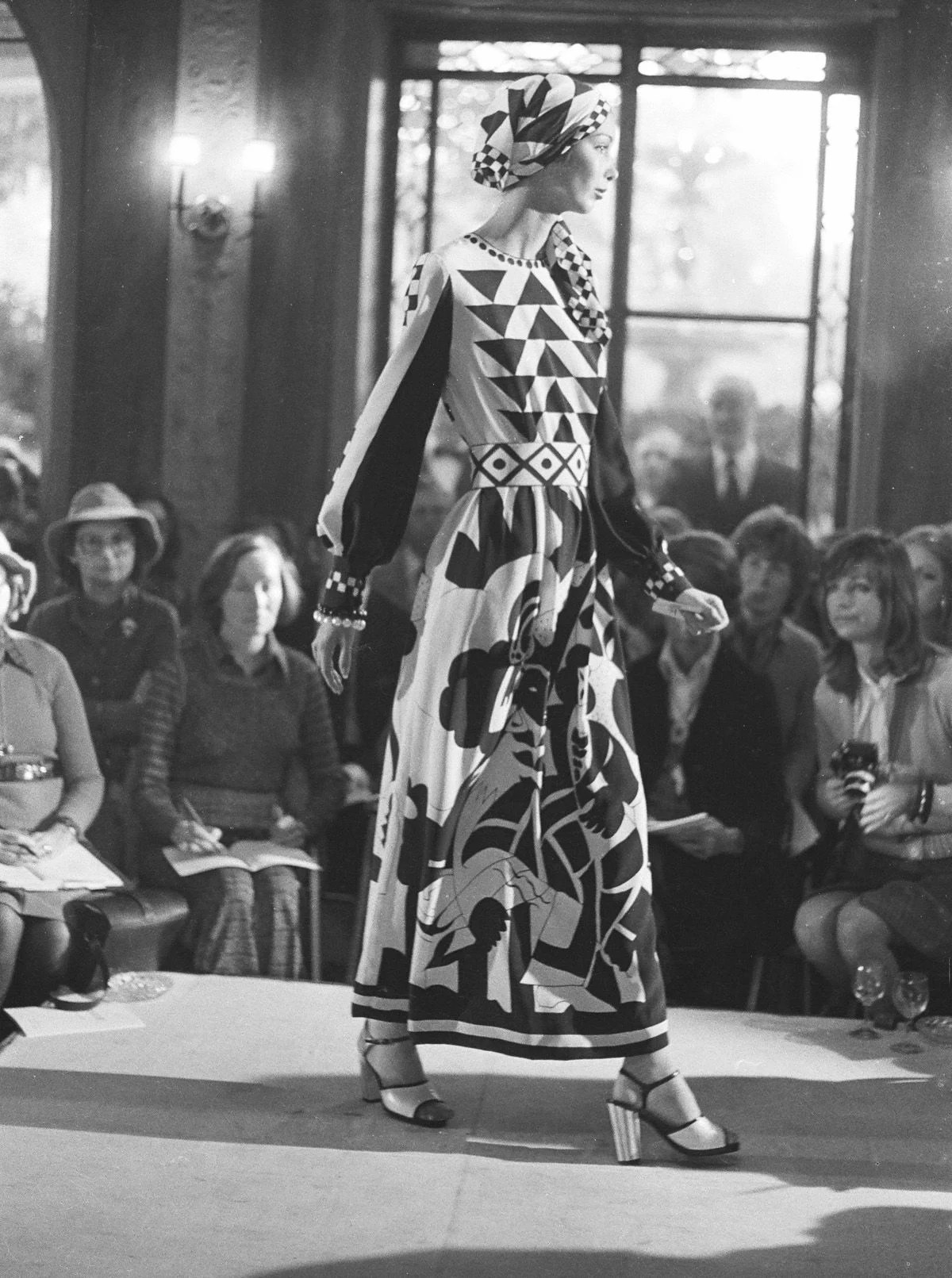
    From its debut, the brand experienced a steady rise in popularity, driven in part, but not solely, by the strategic decision to keep the garment labels clearly visible in boutiques. A decisive moment in the house’s development came with the arrival of Karl Lagerfeld as creative director in 1964. The designer remained at the helm of Chloé until 1984, and over those two decades the brand played a leading role in defining the signature lines of 1970s fashion. Experimenting with shapes and textures and favoring light dresses in lace and silk, Lagerfeld helped craft a vision of femininity that was soft, independent, romantic, and sophisticated, shaping the often called “boho-chic” soul of Chloé. The brand’s prestige during this era was evident in its clientele, which included Jackie Kennedy, Brigitte Bardot, Maria Callas, and Grace Kelly.
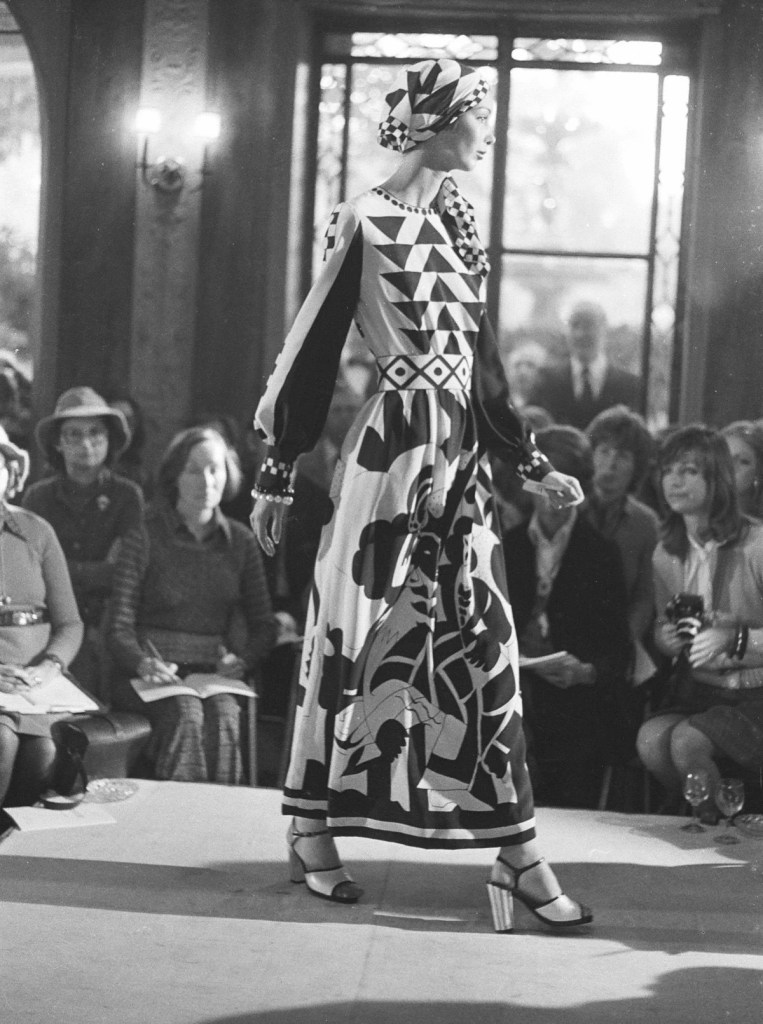
    1973, the Rachmaninoff dress, emblematic of 70s aesthetic from Chloe fashion show.
    1973, the Rachmaninoff dress, emblematic
    of 70s aesthetic. © Chloé
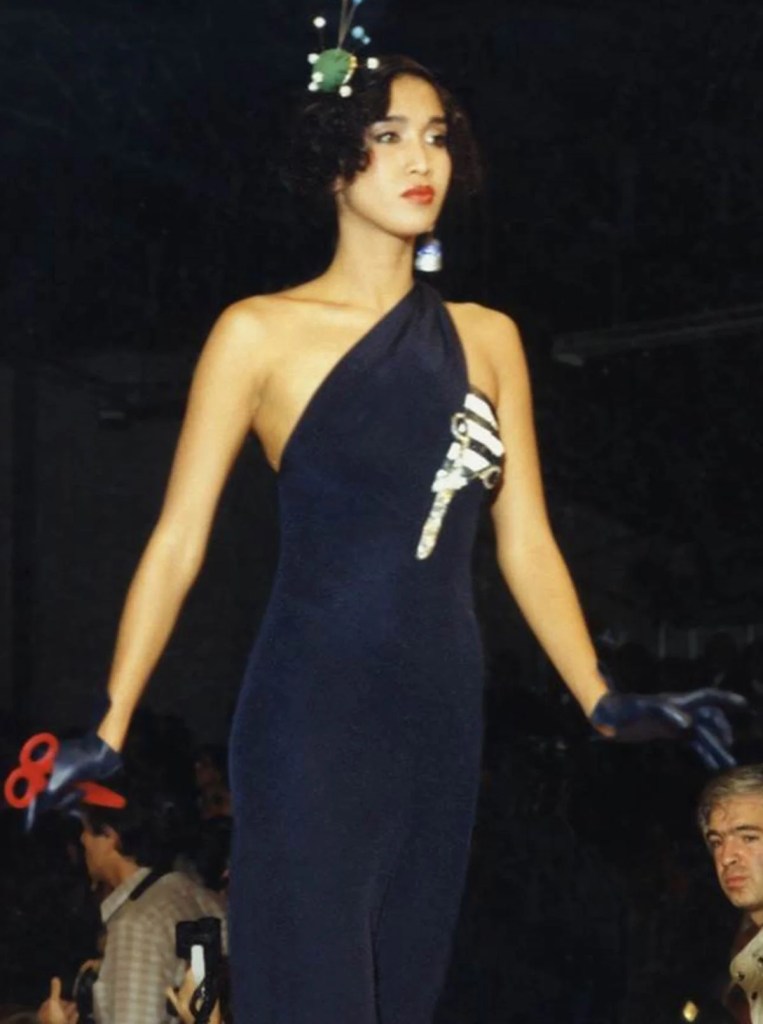
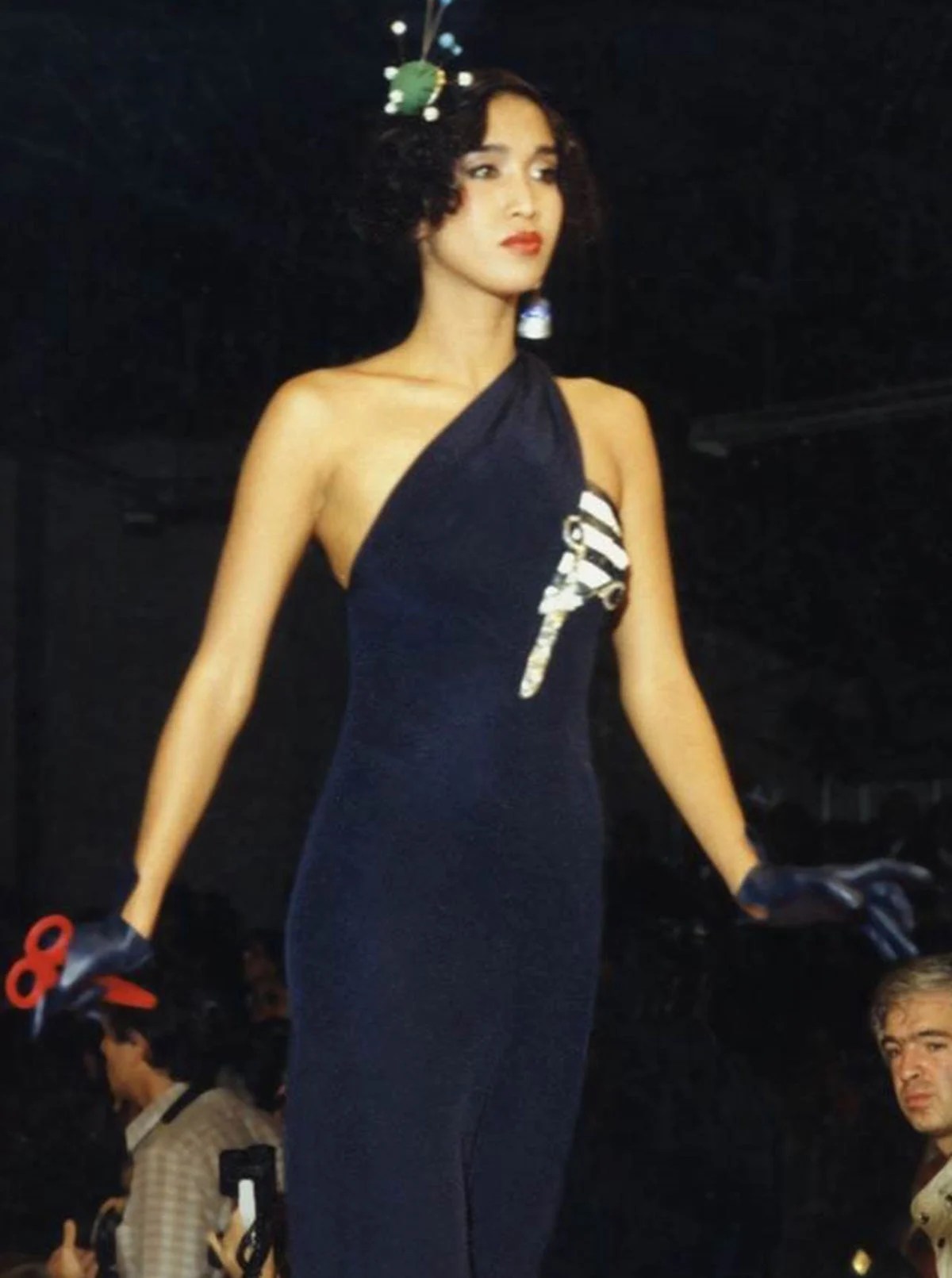
    1983, the Ciseaux dress, created by Lagerfeld for the collection dedicated to the theme of sewing for Chloé.
    1983, the Ciseaux dress, created by Lagerfeld for the collection dedicated to the theme of sewing. © Chloé

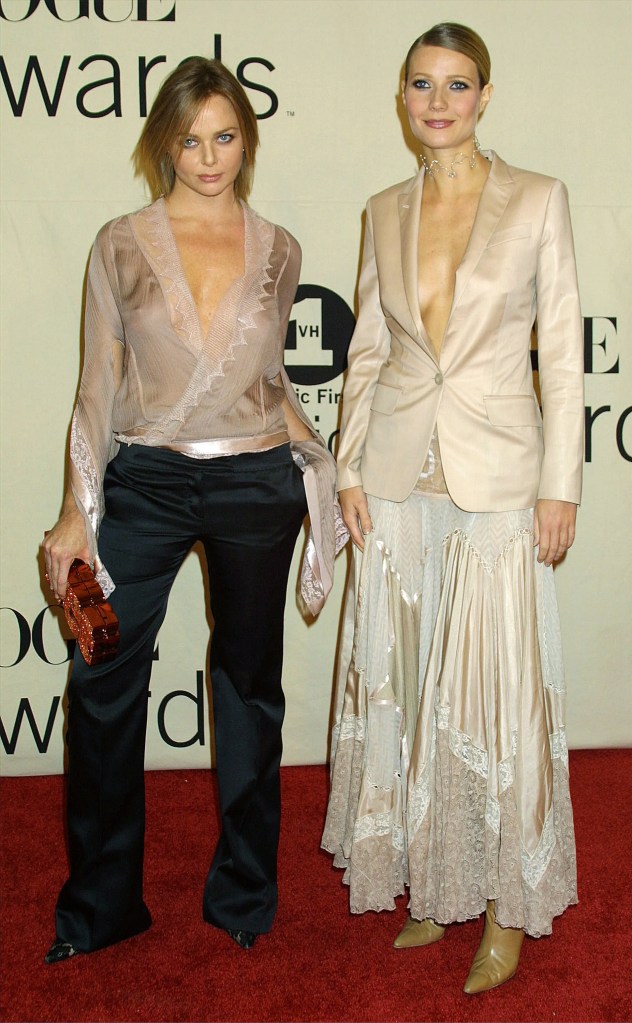
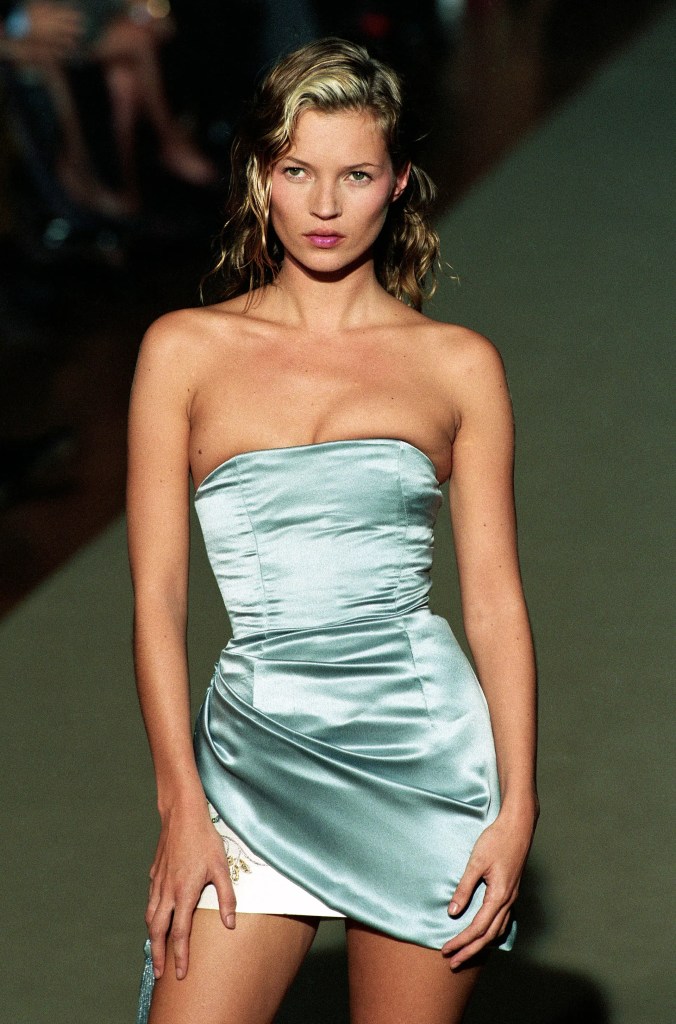
    After Lagerfeld’s move to Chanel, the maison went through a challenging period and was sold to the Dunhill Holding P.L.C., now the Richemont Group. Chloé’s resurgence came in 1987 with the arrival of a then-25-year-old Stella McCartney. The designer infused the brand’s identity with a cooler, rock-tinged, and more sensual touch. Under her creative direction, the label hit the red carpets and became a favorite among the most fashionable celebrities of the moment, from Kate Moss to the Beatles.
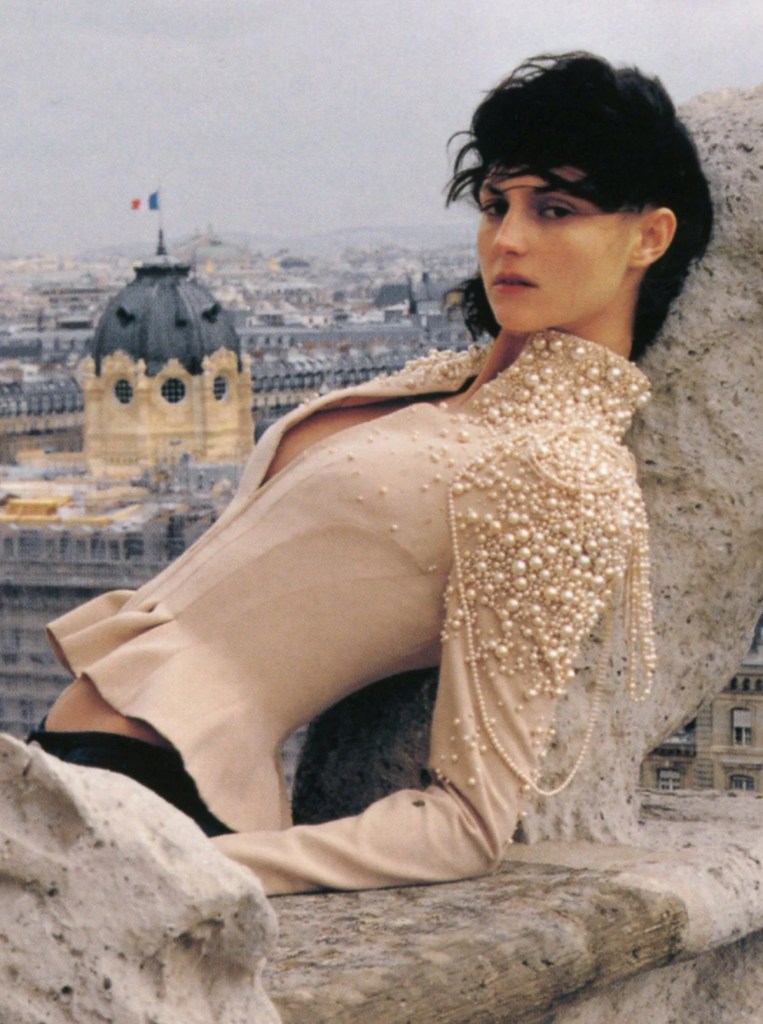
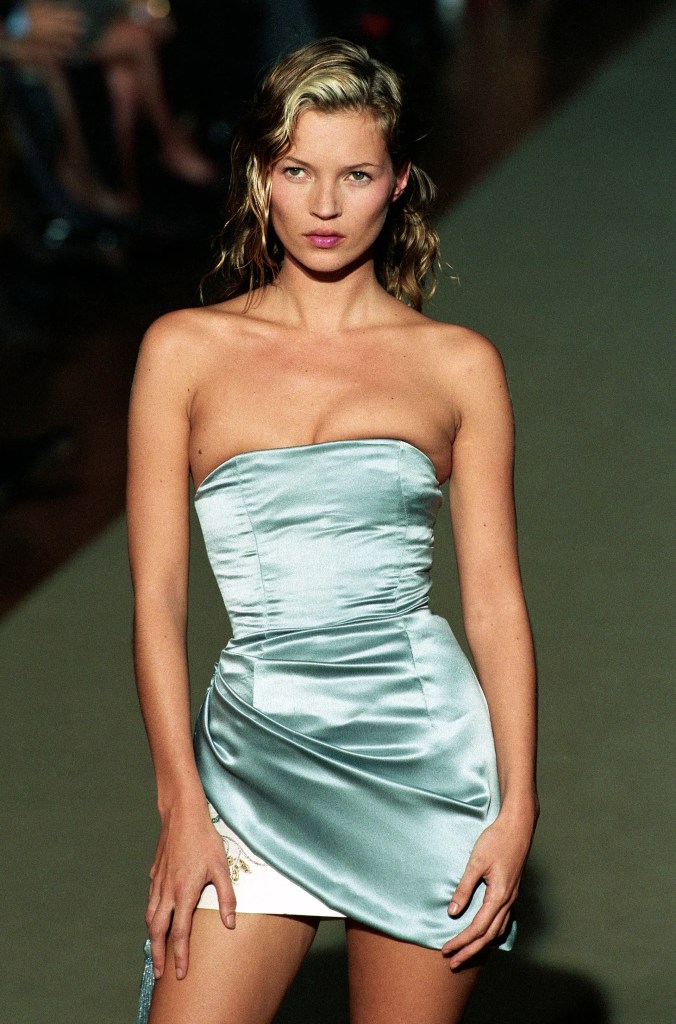
    The blend of Parisian elegance and English charm continued to flourish in the following years, with British creative directors taking the helm. Phoebe Philo’s former protégé Hannah MacGibbon arrived in 2006, carrying forward a vision defined by softness and refinement, followed in 2011 by Clare Waight Keller, whose collections stood out for their polish and ease.

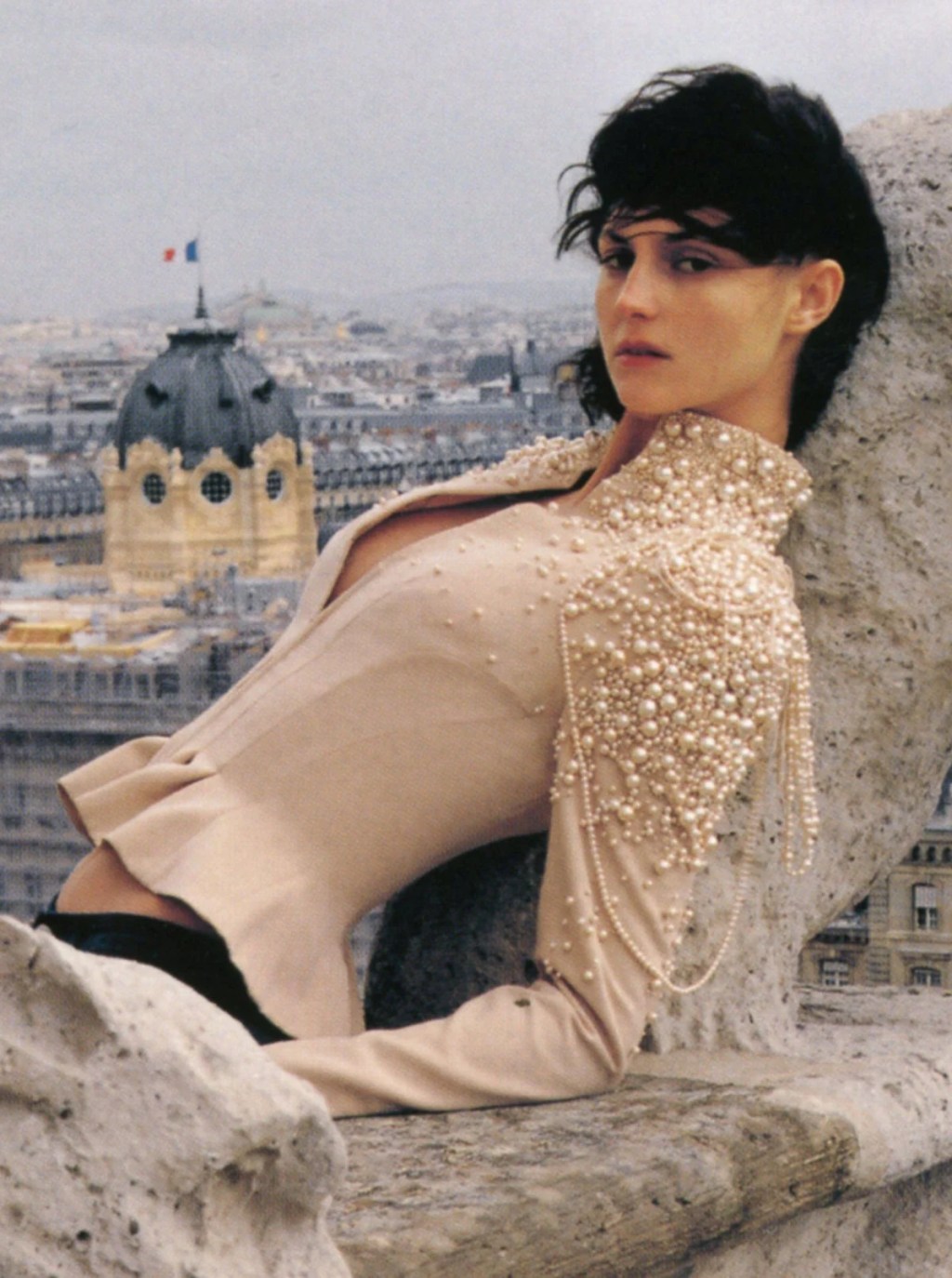
    In the brand’s more recent history — after the passing of founder Gaby Aghion in 2014 — its signature feminine sophistication has embraced the influences of timely and deeply felt issues. French designer Natacha Ramsay-Levi, creative director from 2014, brought in inspirations from the worlds of art and activism, creating a line of T-shirts emblazoned with feminist slogans. In 2021, Gabriela Hearst took the reins, focusing strongly on sustainability: she introduced the use of leftover materials from previous collections, favored linen over cotton, and incorporated vegan leather.
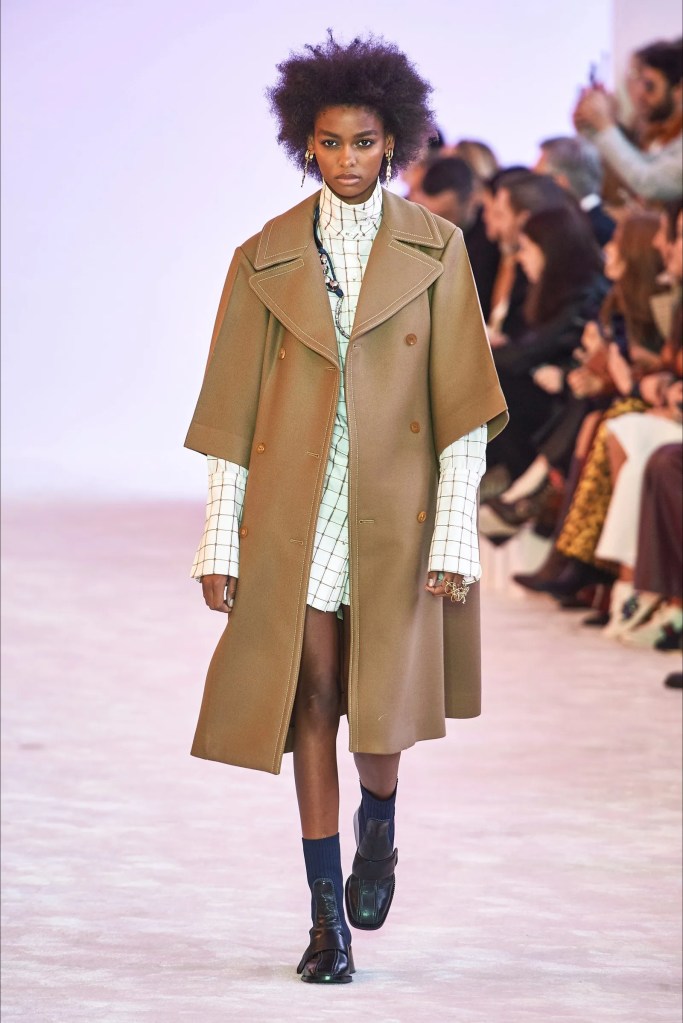
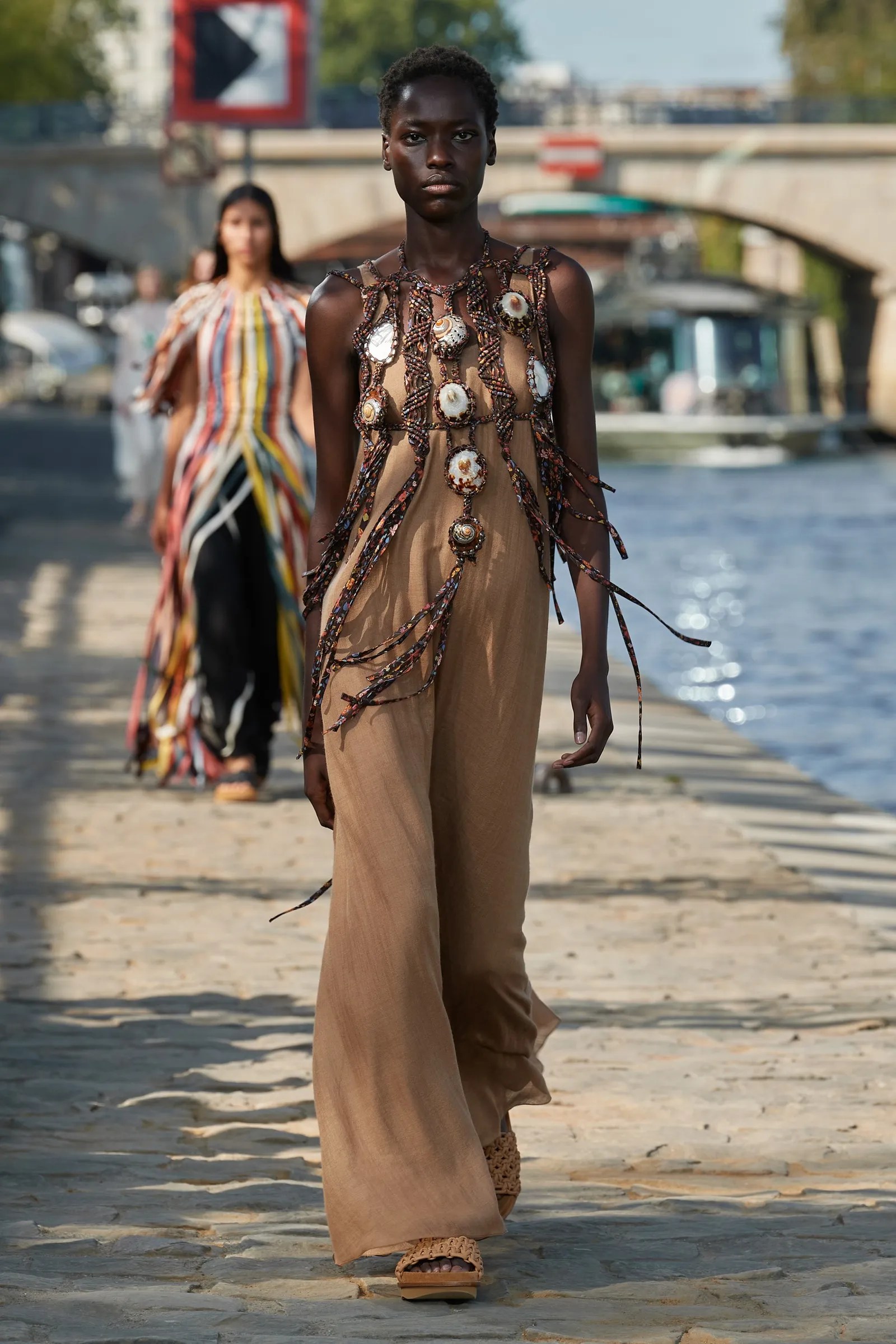
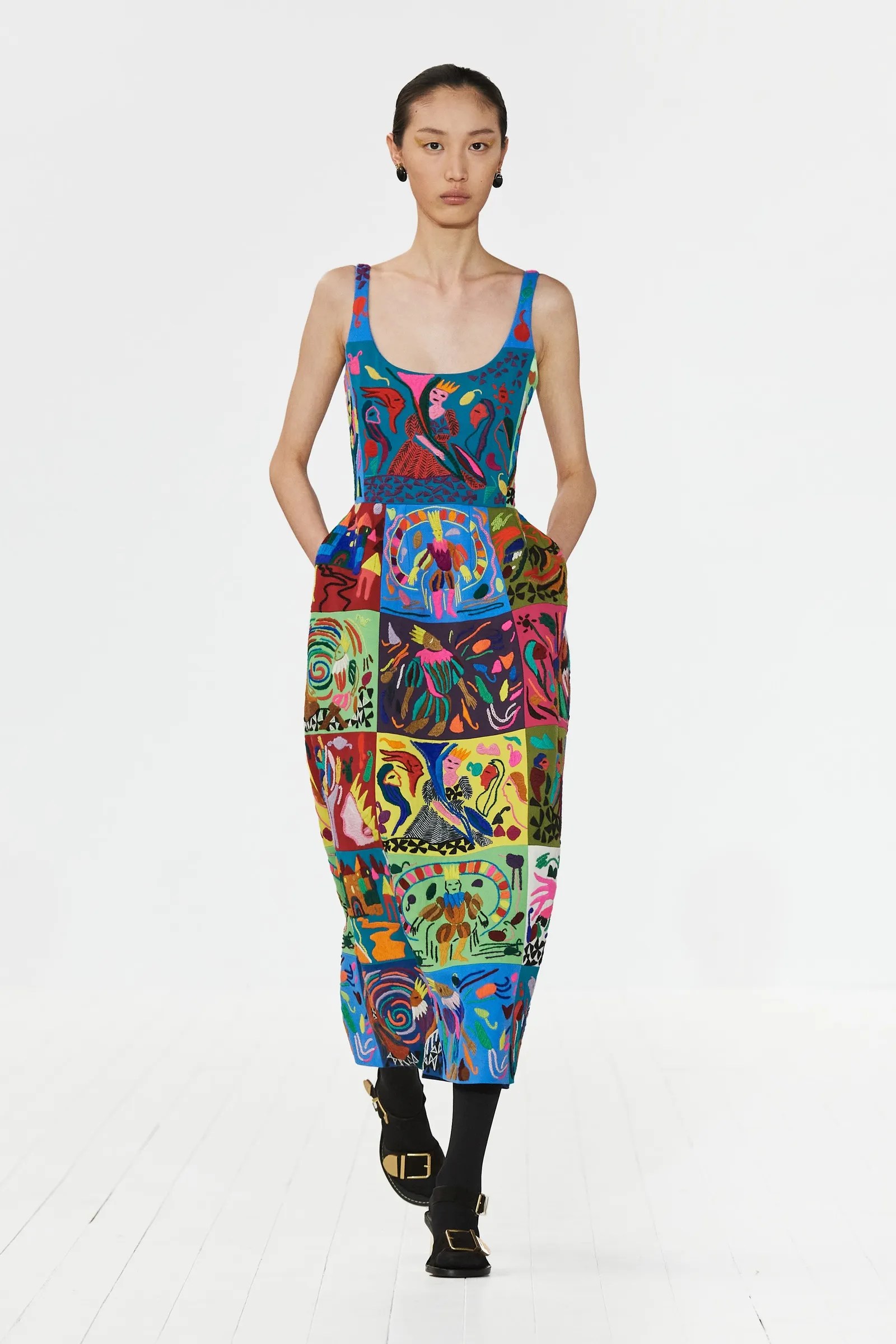
    Chloé Fall Winter 2019-2020. © Vogue Italia

    Return to Essence

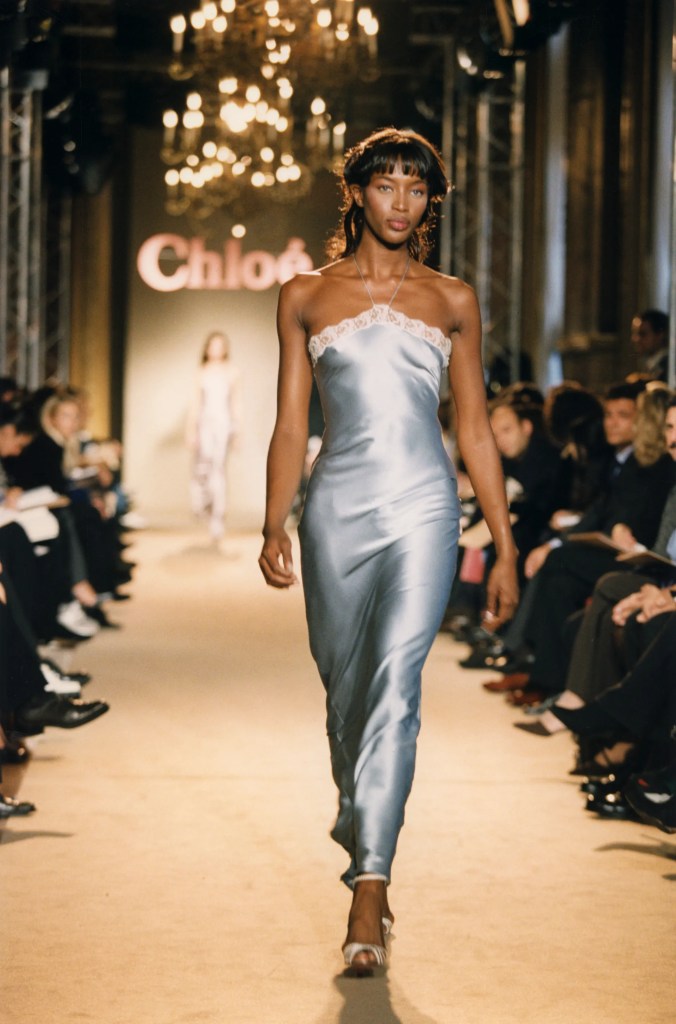
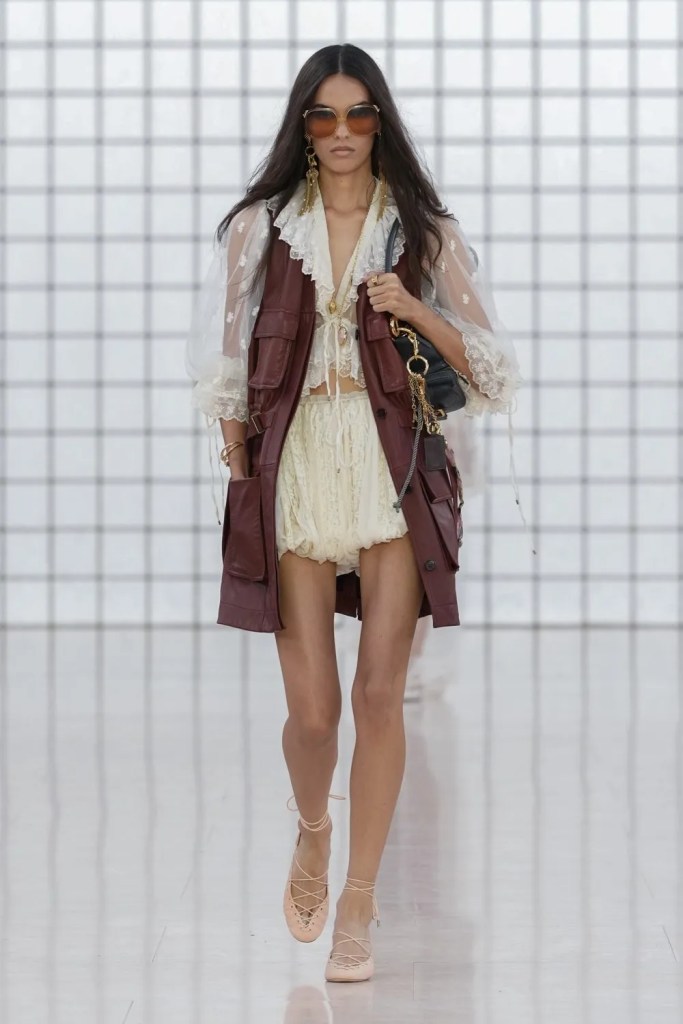
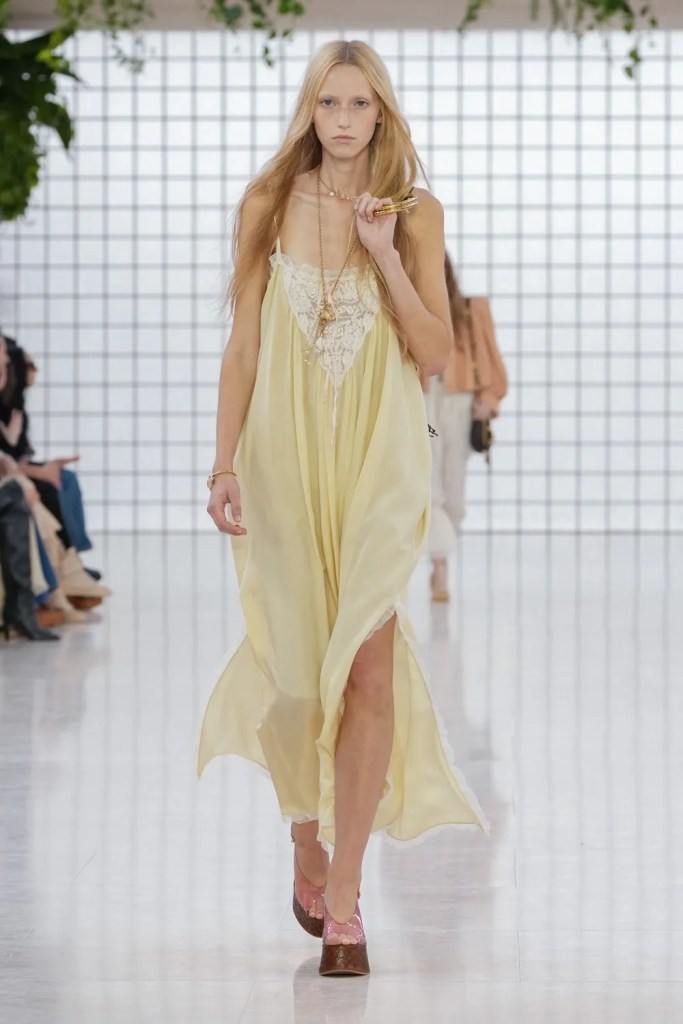
    Today, Chloé is led by Chemena Kamali, who started her fashion career right here. The designer has maintained continuity with the brand’s characteristic bohemian and carefree femininity, without sacrificing a more decisive and captivating touch. Her intent is to «bring the fashion house back to its essence», as demonstrated by references to 1970s aesthetics, the softness of slip dresses and the use of lightweight fabrics.
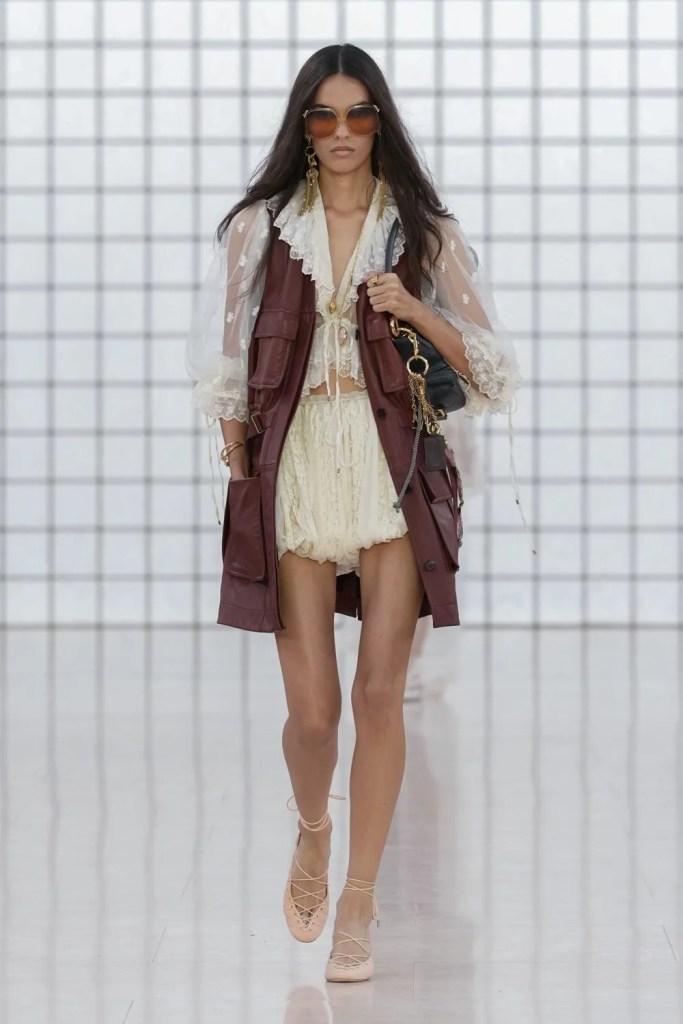
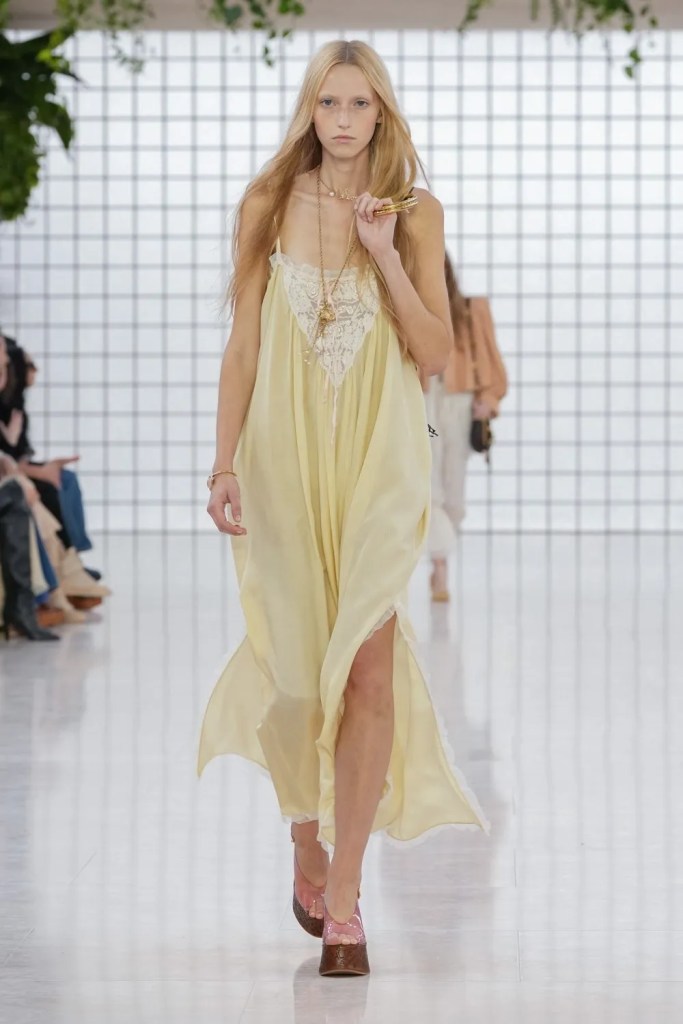
    From its revolutionary debut in ready-to-wear, the maison has continued to evolve over the decades, blending its refined, elegant spirit with the themes and concerns of modernity, becoming a true voice for a sophisticated, independent, and contemporary idea of femininity.
  • Romanticismo e sofisticatezza: la storia di Chloé

    Romanticismo e sofisticatezza: la storia di Chloé

    Fondato nel 1952 dalla visionaria Gaby Aghion, il brand ha lanciato il prêt-à-porter di lusso e si è imposto negli anni come modello di una femminilità romantica, sofisticata, ma anche rock e indipendente.

    Con il desiderio di dar vita a una nuova idea di femminilità, Gaby Aghion fondò nel 1952 la casa di moda Chloé. La nascita della maison, il cui nome è ispirato a una delle sue amiche, ha marcato un punto di svolta nella storia della moda, portando per la prima volta in passerella il prêt-a-porter. L’idea ispiratrice di Aghion era quella di creare una linea di abiti adatti a donne in carriera, che non potevano permettersi l’haute couture ma che non volevano rinunciare a stile ed eleganza, con linee che spezzassero la rigidità dei modelli anni ’50.

    «Voleva abiti in cui le donne potessero vivere e lavorare. Vedeva le donne per come sono al giorno d’oggi, ma eravamo negli anni Cinquanta ed erano poche le lavoratrici. Aveva una percezione della donna ben diversa da quella che era invece la visione più comune a quell’epoca»

    ha dichiarato il figlio Philippe Aghion.

    A partire dall’esordio, il brand ha vissuto una crescente popolarità, determinata anche ma non solo dalla scelta strategica di rendere sempre ben visibile l’etichetta degli abiti esposti nelle boutique. Decisivo per lo sviluppo del marchio è stato l’arrivo di Karl Lagerfeld come direttore creativo nel 1964. Lo stilista è rimasto al timone di Chloé fino al 1984: nel corso di questo ventennio, il brand ha assunto un ruolo di primo piano nella definizione delle linee caratteristiche della moda anni ’70. Giocando con linee e texture, scegliendo abiti leggeri con pizzi e sete, Lagerfeld ha contribuito a costruire un’idea di femminilità morbida, indipendente, romantica, sofisticata e a caratterizzare l’anima boho-chic di Chloé. Segno della grande fama del brand sono le sue clienti in questo periodo: Jackie Kennedy, Brigitte Bardot, Maria Callas e Grace Kelly.

    1973, l’abito Rachmaninoff, emblematico
    dell’estetica anni Settanta. © Chloé
    1983, L’abito Ciseaux, realizzato da Lagerfeld
    per la collezione dedicata al tema del cucito. © Chloé

    Dopo il passaggio di Lagerfeld a Chanel, la maison ha vissuto una fase di difficoltà ed è stata venduta al gruppo Dunhill Holding P.L.C. – ora Richemont Group. A segnare il ritorno in auge nel 1987 è l’arrivo dell’allora venticinquenne Stella McCartney. La stilista ha aggiunto all’identità del brand un tocco più cool, rock e sensuale. Sotto la sua direzione creativa, il marchio è sbarcato sui red carpet e ha conosciuto una forte diffusione tra i vip più in voga del momento, da Kate Moss ai Beatles.

    Il connubio tra eleganza parigina e charme inglese si consolida negli anni successivi, in cui si avvicendano direttrici creative britanniche come McGibbon nel 2006, che porta avanti una linea all’insegna della morbidezza e della raffinatezza, e Keller nel 2011, le cui collezioni si contraddistinguono per ricercatezza e disinvoltura.

    Nella storia più recente del brand, che ha perso la sua fondatrice Gaby Aghion nel 2014, la caratteristica sofisticatezza femminile ha accolto le suggestioni di questioni attuali e sentite. La stilista francese Natacha Ramsay-Levi, direttrice creativa dal 2014, ha portato nel brand ispirazioni tratte dal mondo dell’arte e dell’attivismo, creando una linea di t-shirt con slogan femministi. La direttrice Gabriela Hearst, arrivata nel 2021, ha puntato fortemente sulla sostenibilità, aprendo all’utilizzo degli scarti della vecchia collezione, puntando sul lino al posto del cotone e introducendo la pelle vegana.

    Chloé Autunno Inverno 2019-2020. © Vogue Italia

    Ritorno alle origini

    Oggi alla guida di Chloé c’è Chemena Kamali, che proprio qui aveva iniziato la sua carriera nella moda. La stilista ha mantenuto una continuità con la caratteristica femminilità bohemién e disinvolta, senza rinunciare a un tocco più deciso e accattivante. Il suo intento è quello di «riportare la maison alla sua essenza», come dimostrano i richiami all’estetica anni ’70, la morbidezza degli slip dress e i tessuti leggeri utilizzati.

    Partendo dalla rivoluzionarietà del ready to wear, la maison ha continuato a evolversi nel corso dei decenni fondendo la sua anima raffinata ed elegante con le questioni e i temi della modernità, facendosi portavoce di un’idea del femminile sofisticata, raffinata, indipendente e moderna.