Tag: met-gala

  • “Dream in Bloom” by Cheney Chan: a journey through symbolism and botany

    “Dream in Bloom” by Cheney Chan: a journey through symbolism and botany

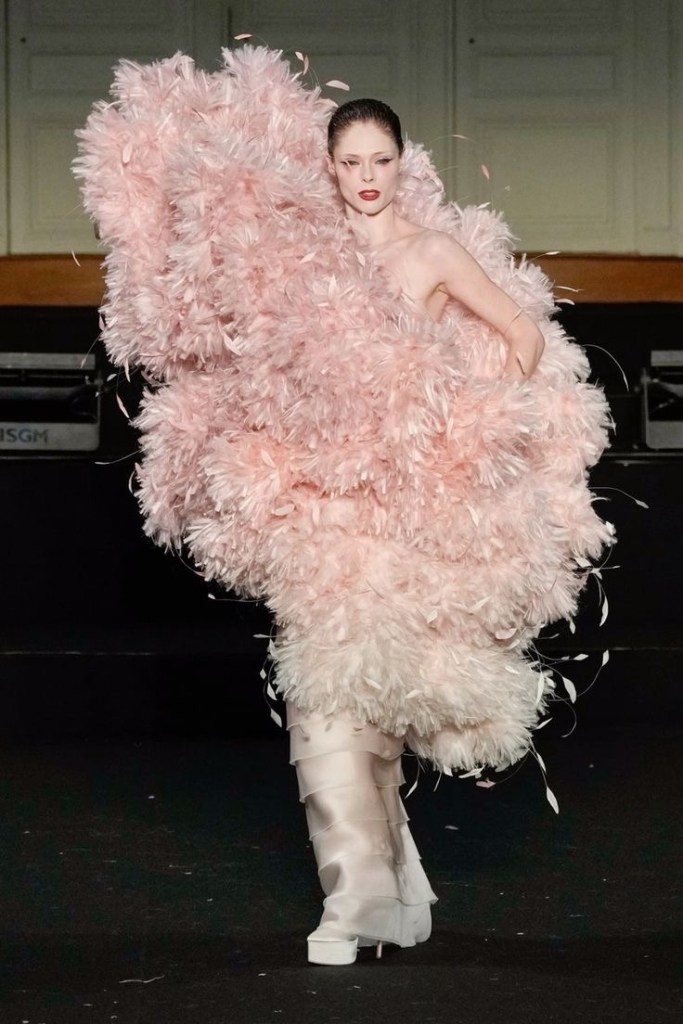
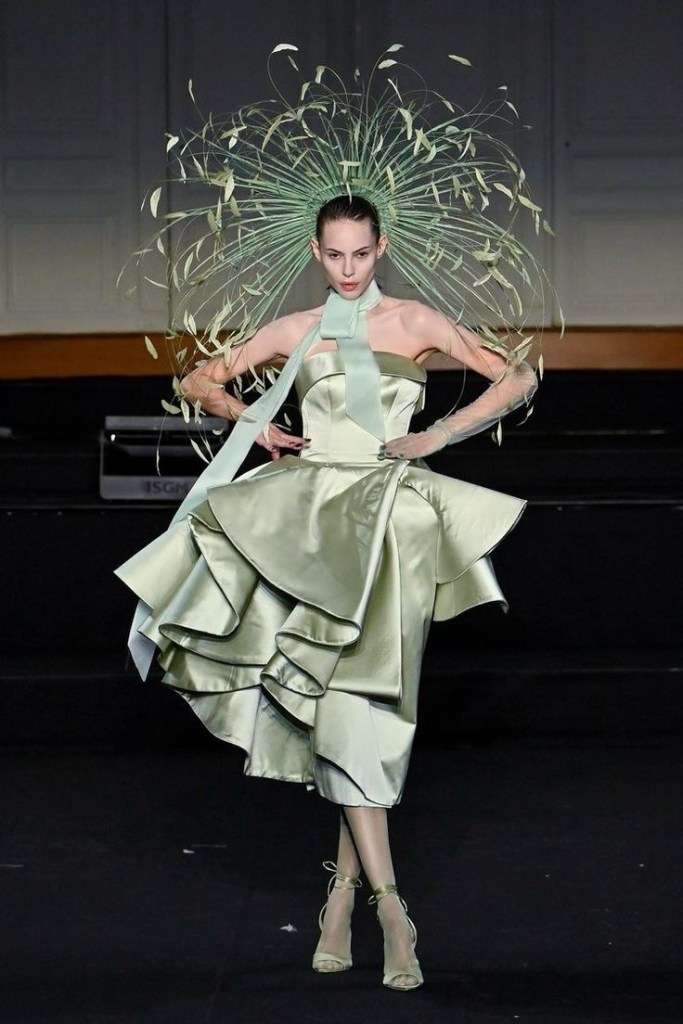
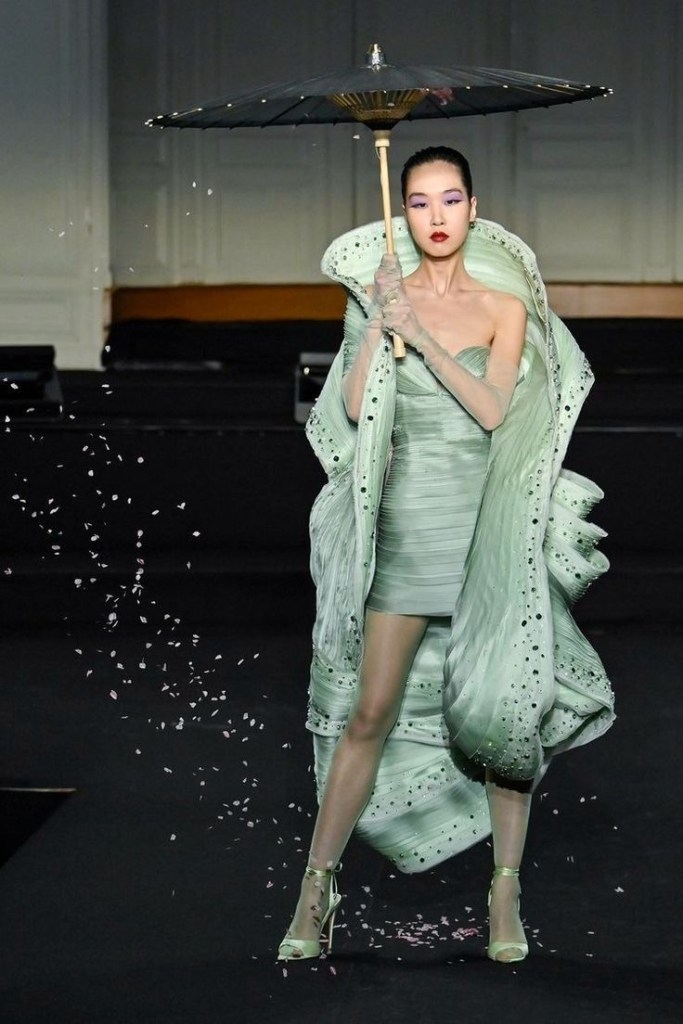
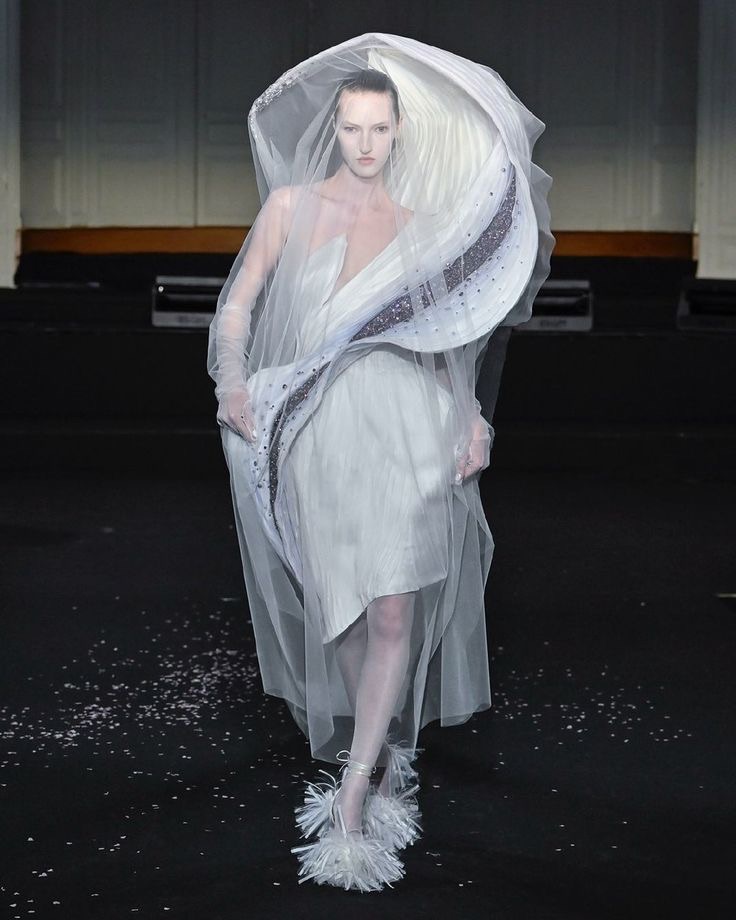
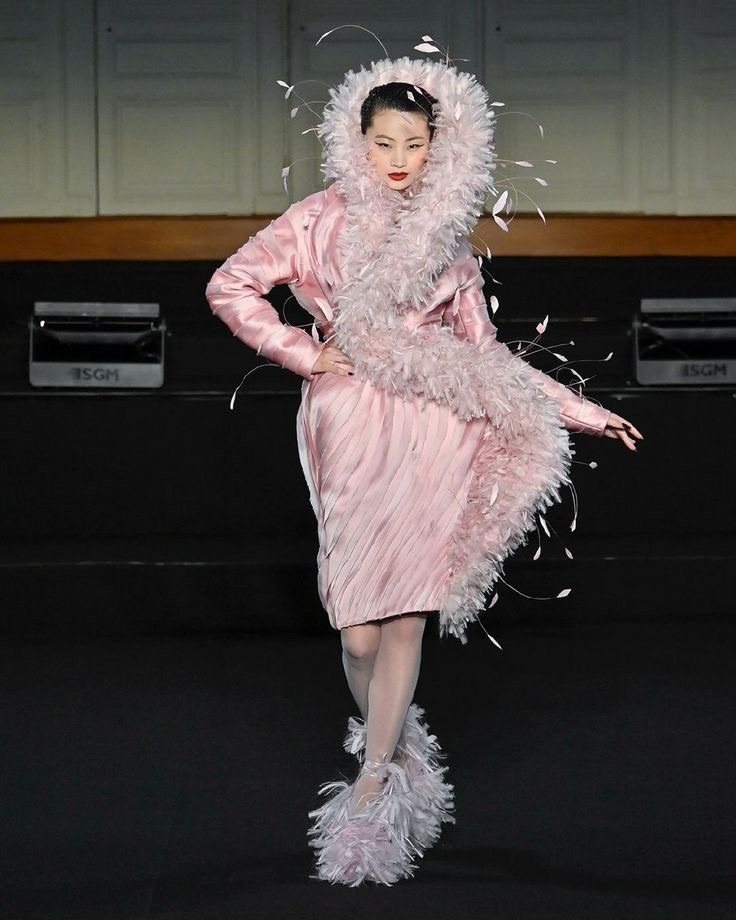
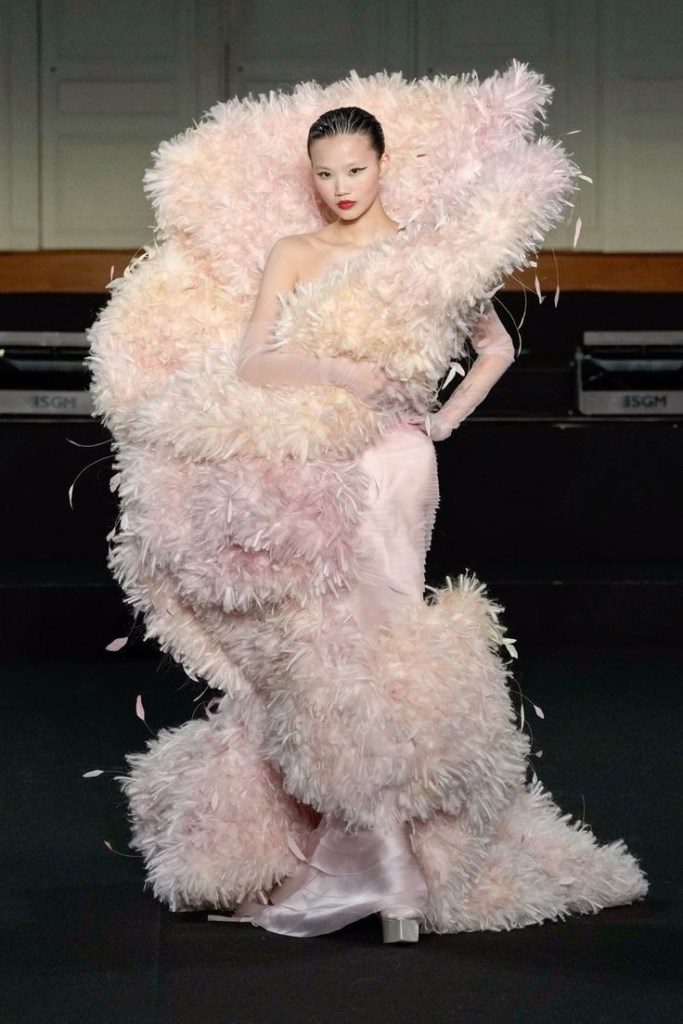
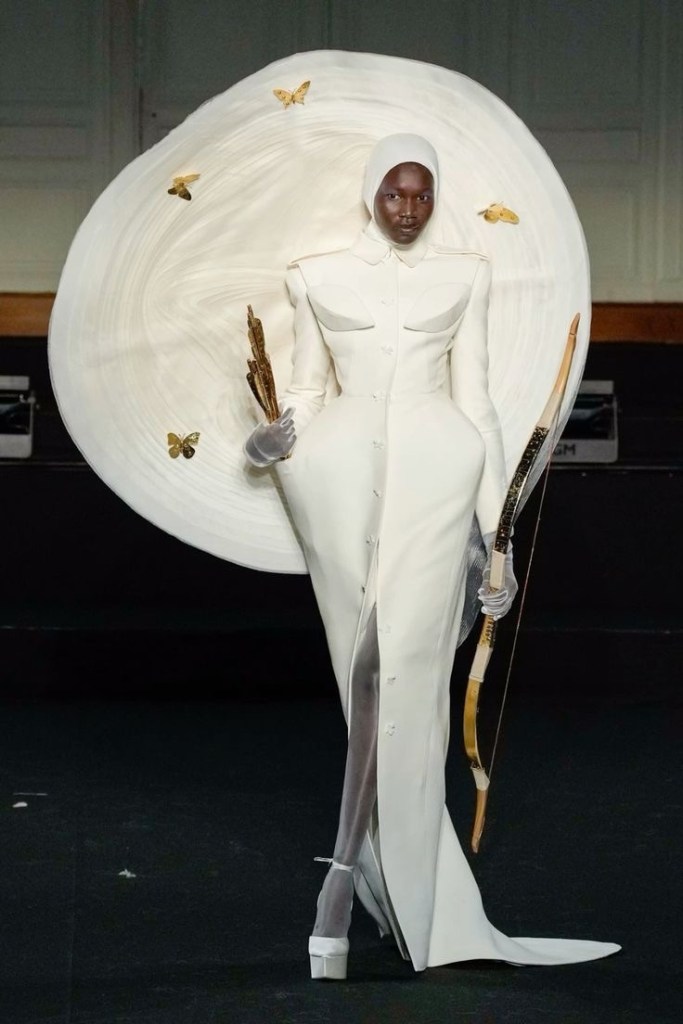
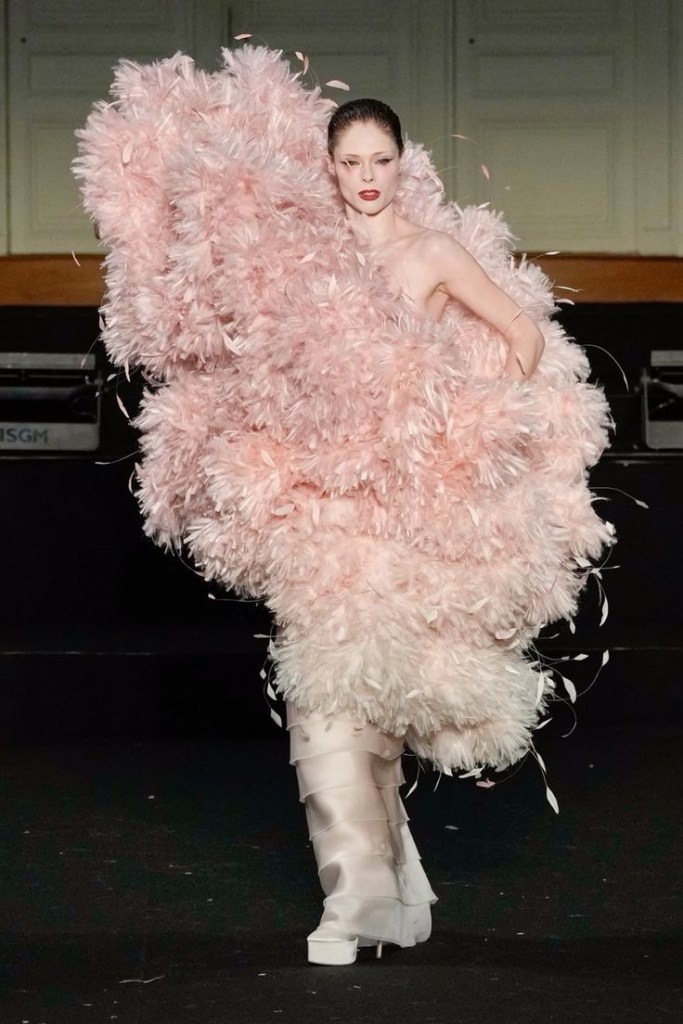
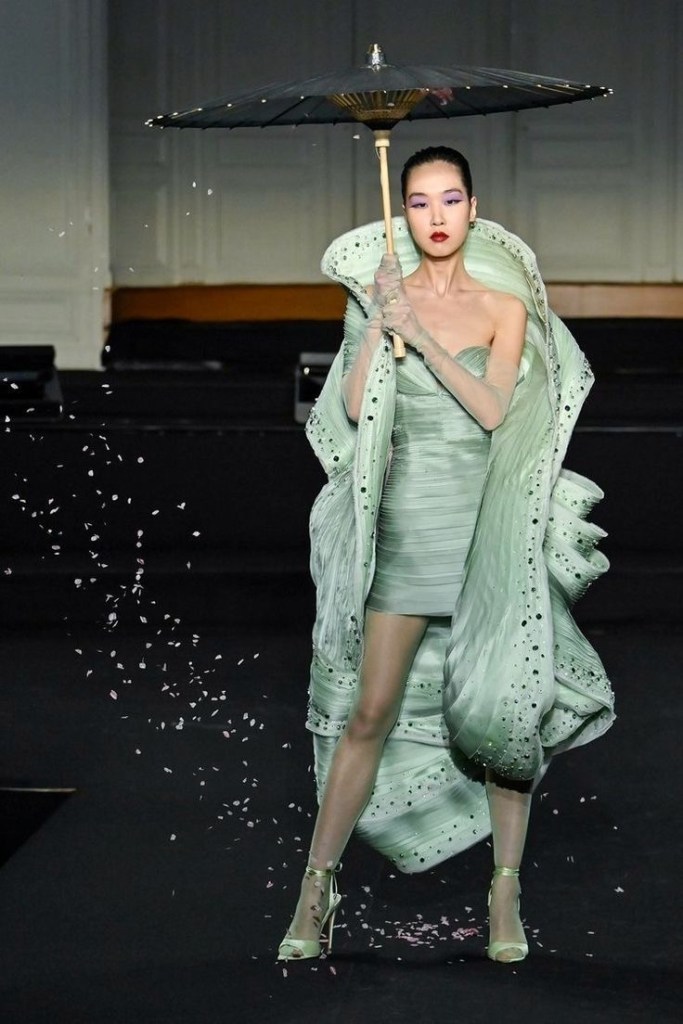
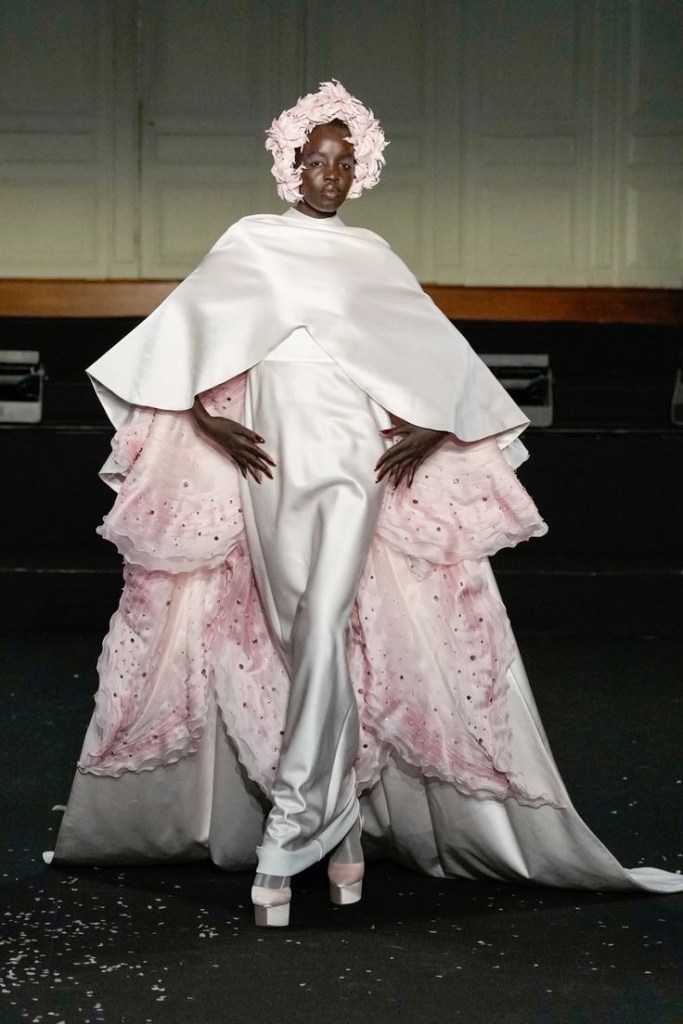
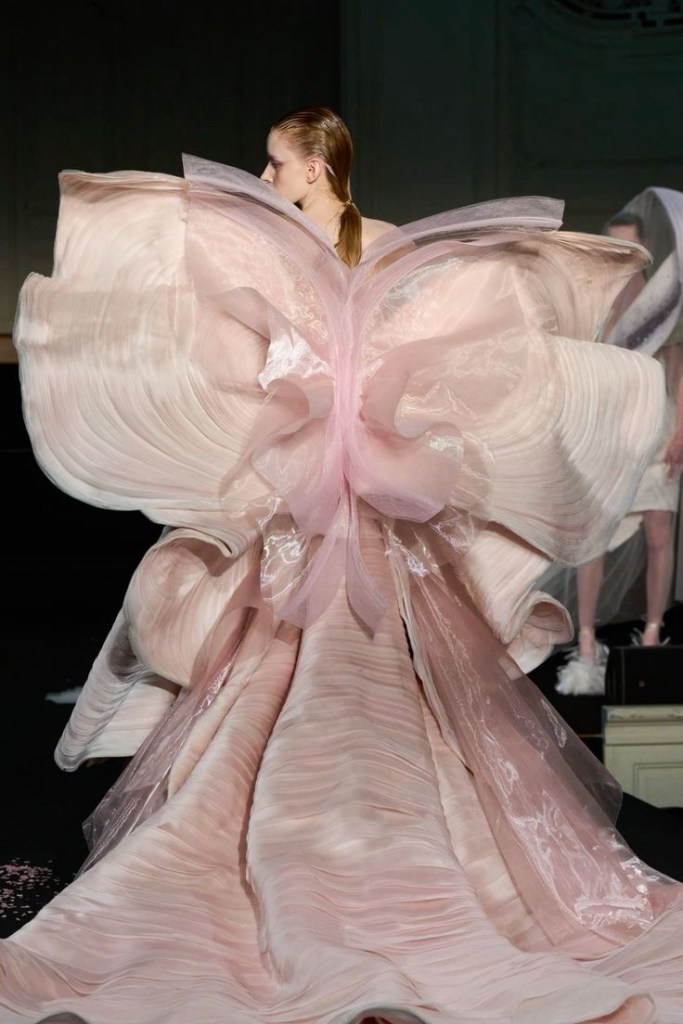
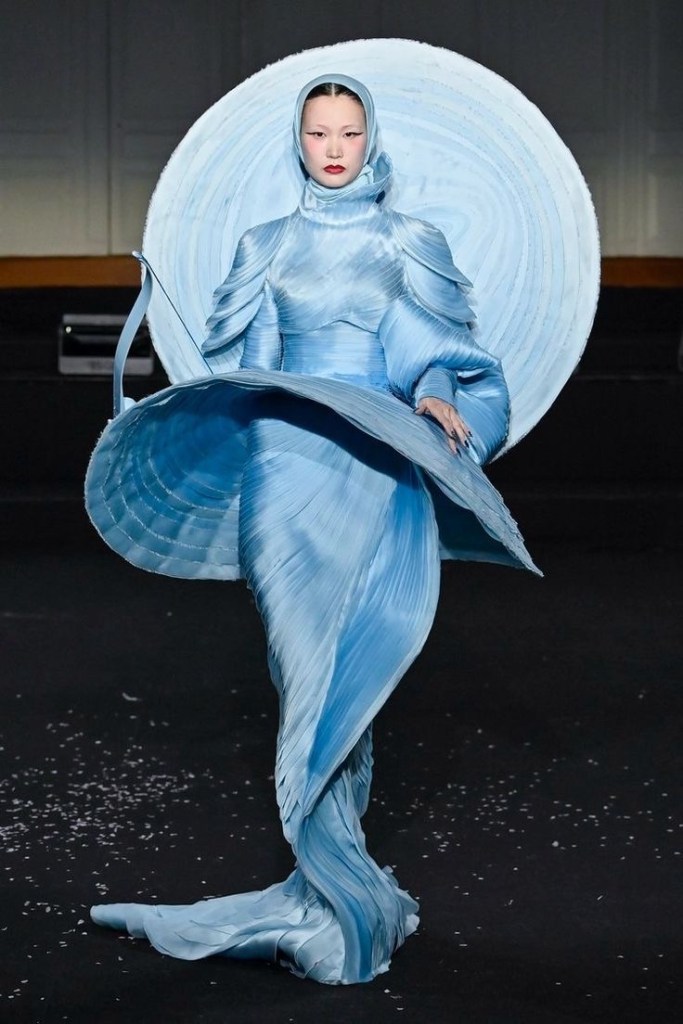
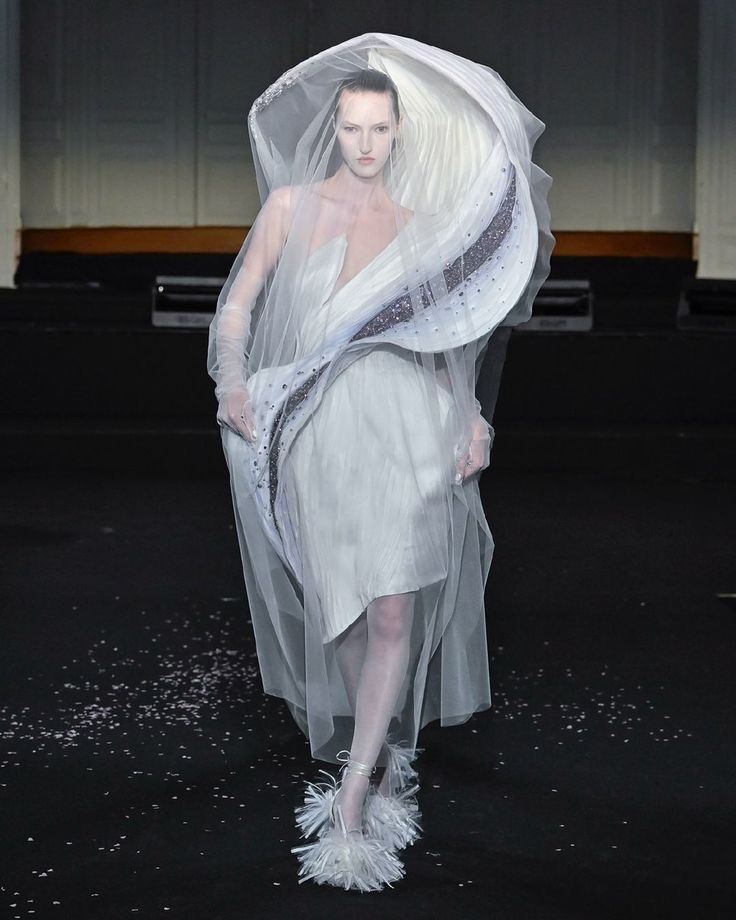
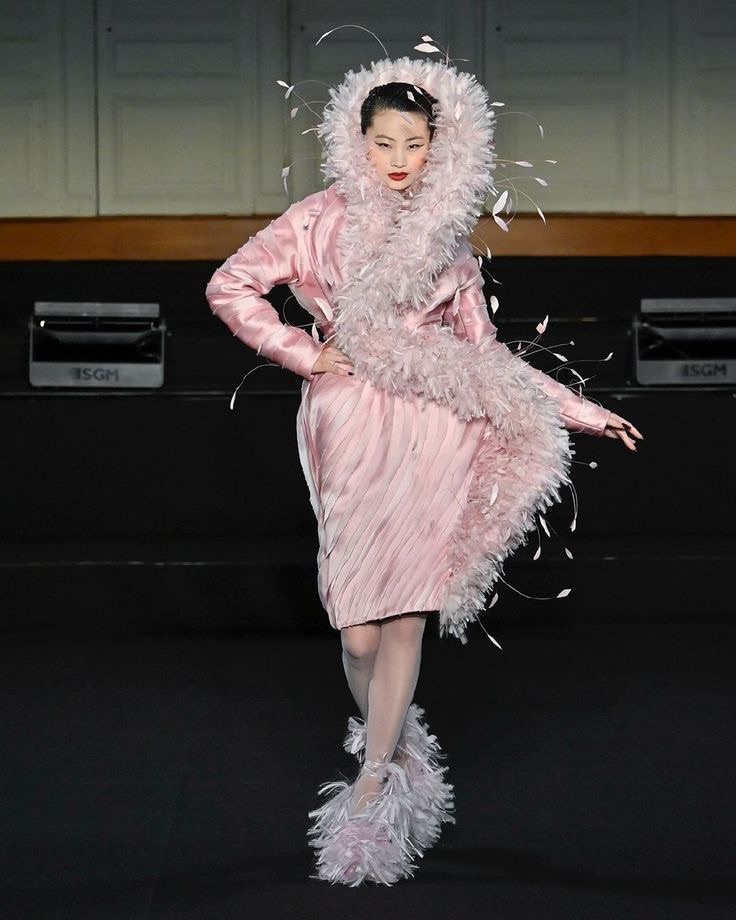
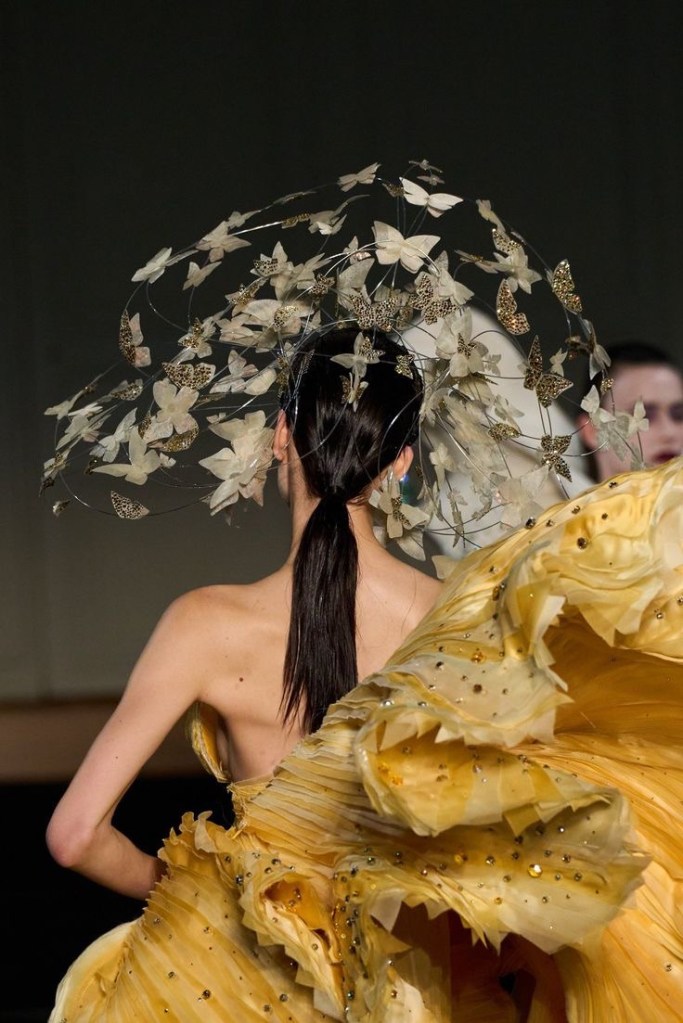
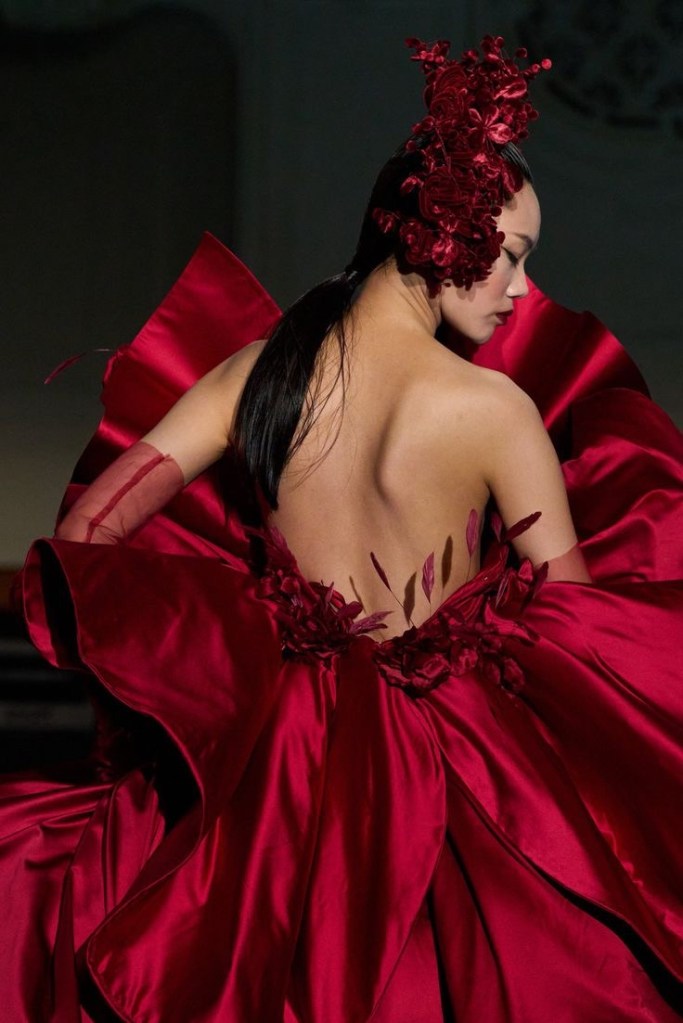
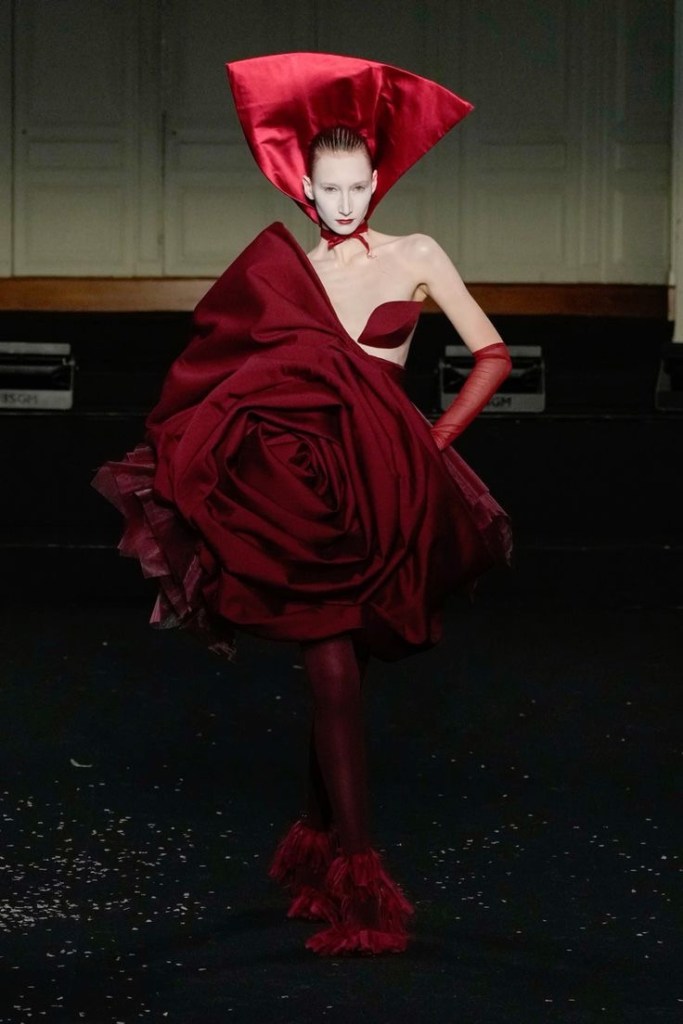
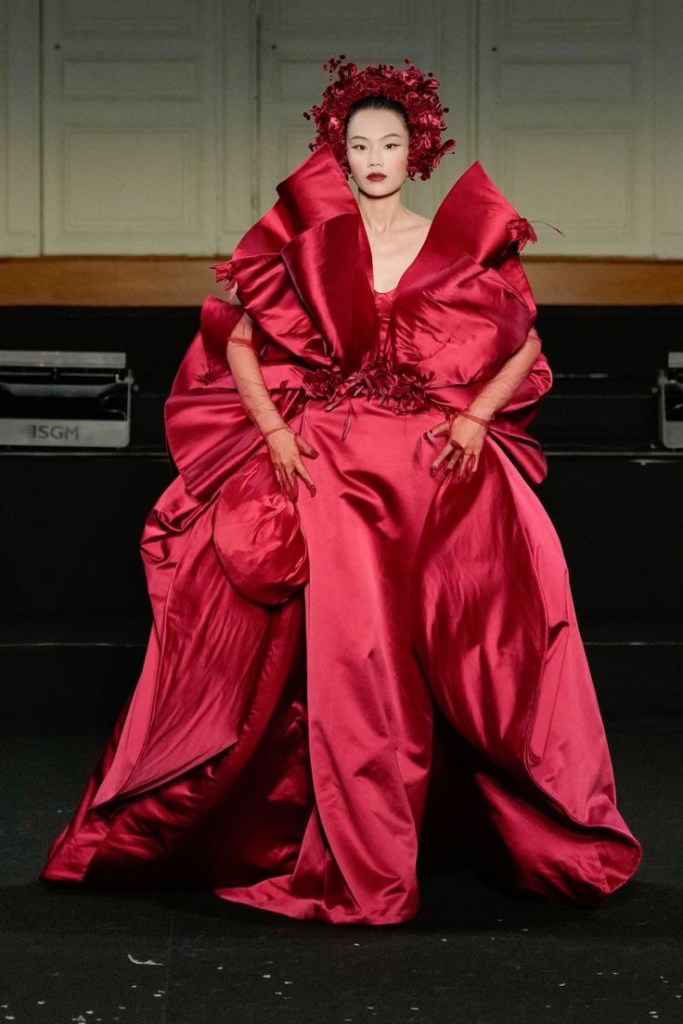
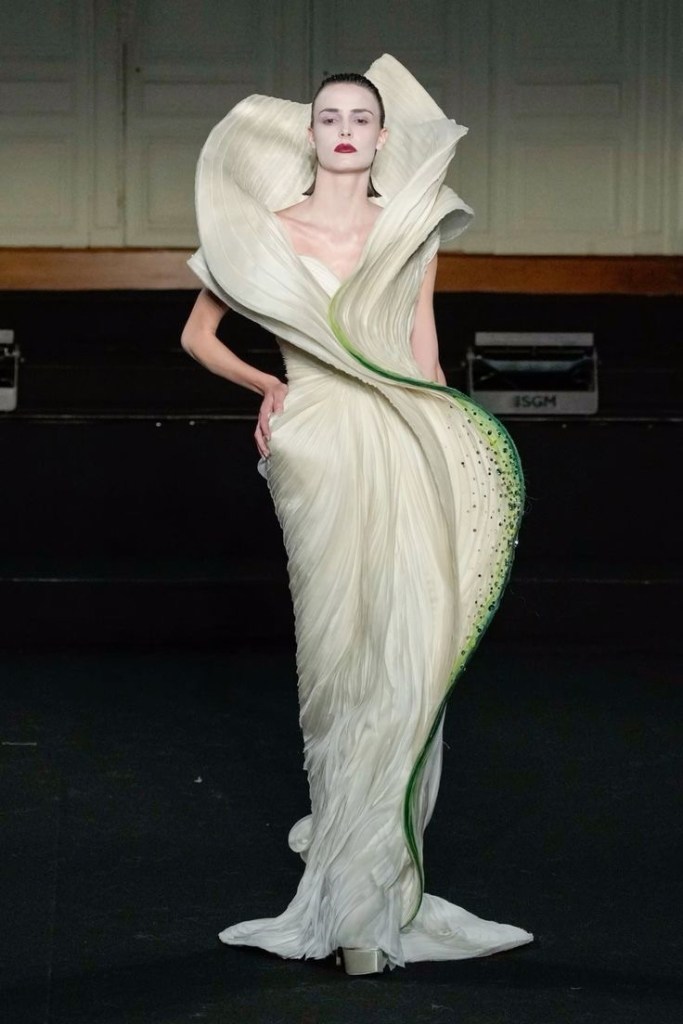
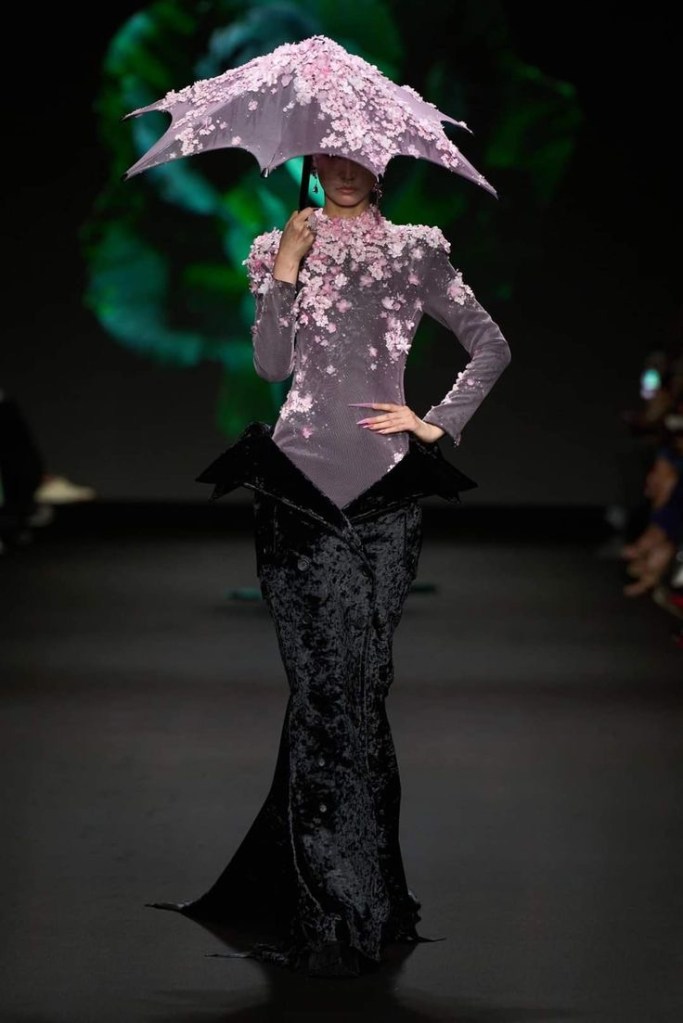
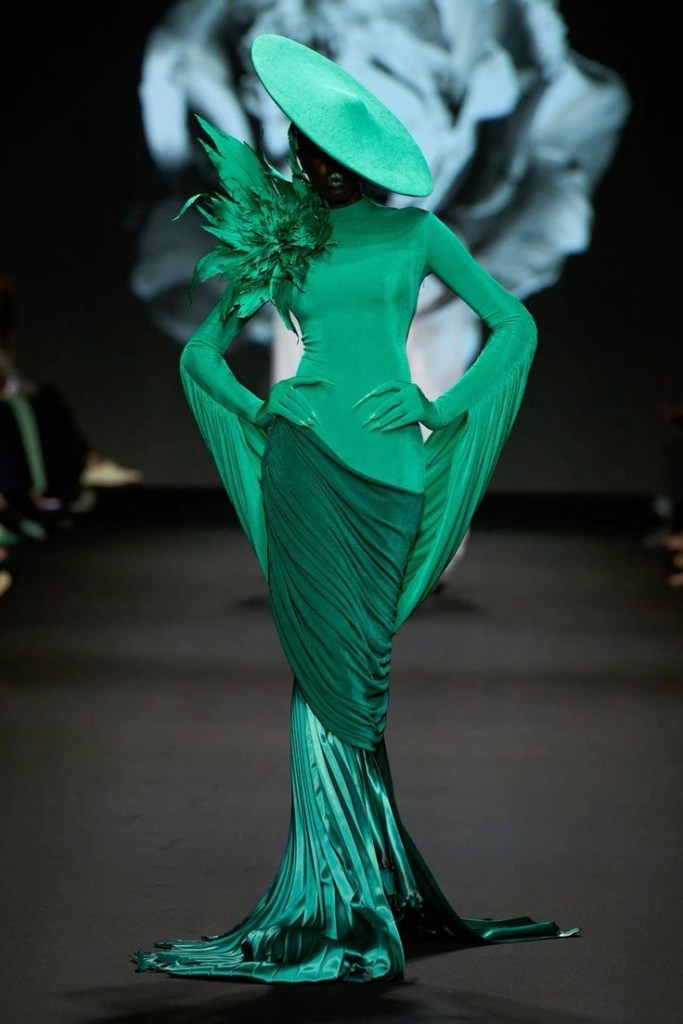
    Among the many facets of fashion, a necessary space must be reserved for emerging artists brimming with creativity. As in the case of Chinese fashion designer Cheney Chan. The latter presented his new collection “Dream in Bloom” at the Salle Gaveau concert hall in Paris during Haute Couture Week. He did so by combining the tradition of Chinese porcelain -which serves as the central inspiration- and botany, perfectly rendering the details of delicate flowers in a garden of colors and stories.
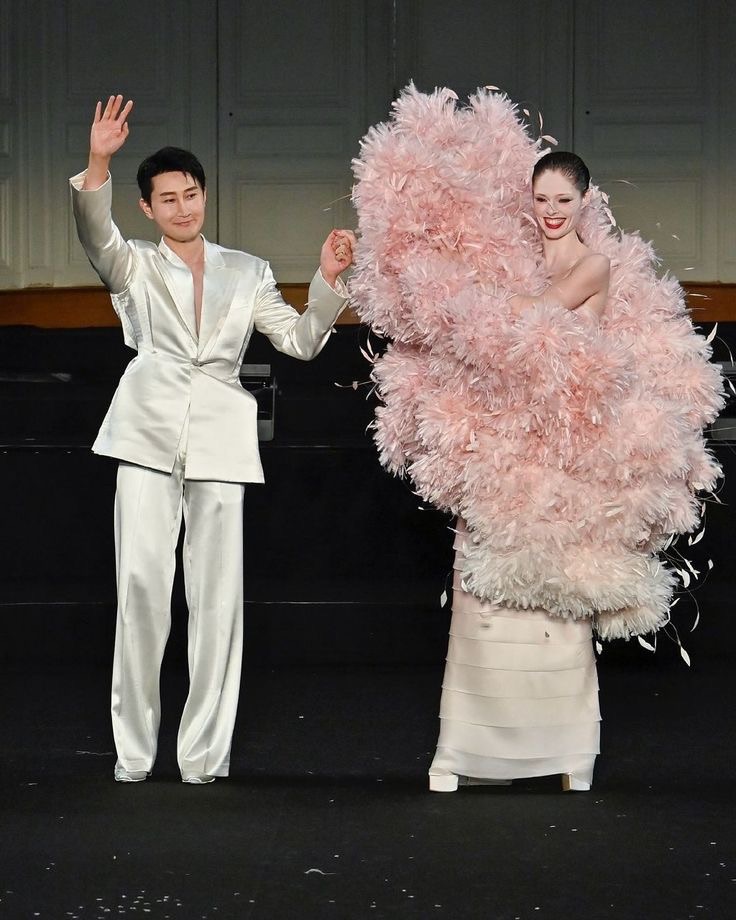
    In fact, just as the technique of shaping ceramics draws inspiration from ancient methods of manufacture, the collection showcases tradition by expressing it through the beauty of form in clothing, with silhouettes shaped by curved lines originating from careful processes of sculpting and refining fabrics, resulting in sinuous and balanced forms, which can only make one recall the beauty that lies in the structure of things.

    The collection, a tribute to the cyclical nature of time and life, finds as its pivot the number 12, with the mystical significance this carries. Indeed, it represents perfection, wholeness and cosmic order in traditions since antiquity. From Greek mythology to the New Testament of the Bible, through the 12 months, 12 hours and 12 zodiac signs. And Chan’s proposed narrative, inspired by numerous classical Chinese stories, attributes one of the 12 basic characteristics to each design. Purity, courage, charm, resilience, endurance, passion, freedom, heroism, independence, clarity, responsibility and authenticity. To solidify these aspects are the characteristics of a gallery of flowers, which have always been considered instruments of language with deep symbolic value and great communicative potential.

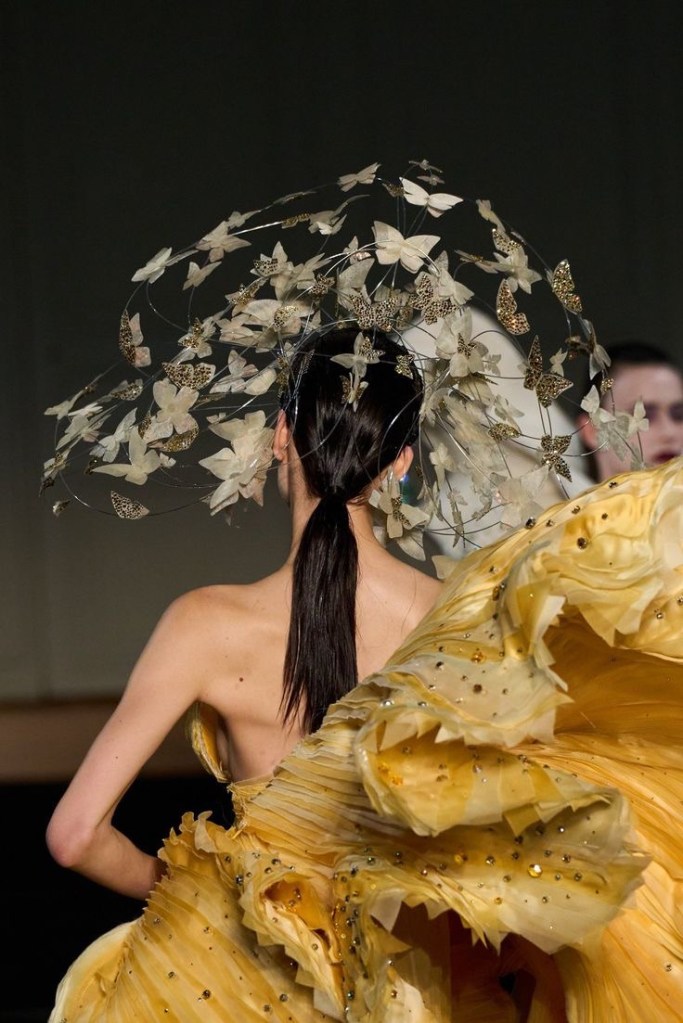
    The designer has skillfully integrated the background of philosophical, mythological and theological culture with the natural beauty of the flowers and butterflies offered in the collection. The stated intention is that of prompting reflection and nurturing a sense of rebirth and transformation in the viewer. “Each flower symbolizes the delicacy and vitality of women; each butterfly embodies their transformation and luminosity,” he admits.
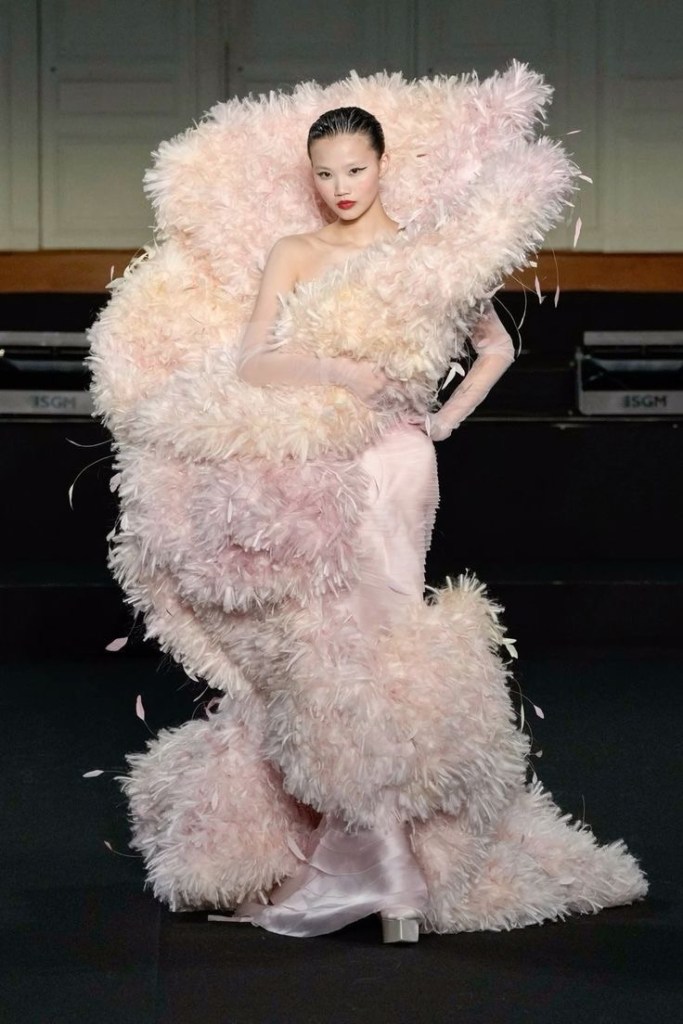
    So we look at these flowers, trying to assimilate some of the botanical elements that characterize them and the senses related to the value system associated with them, and we can propose a series of interconnections and parallels between the garments worn and the nature traits represented.

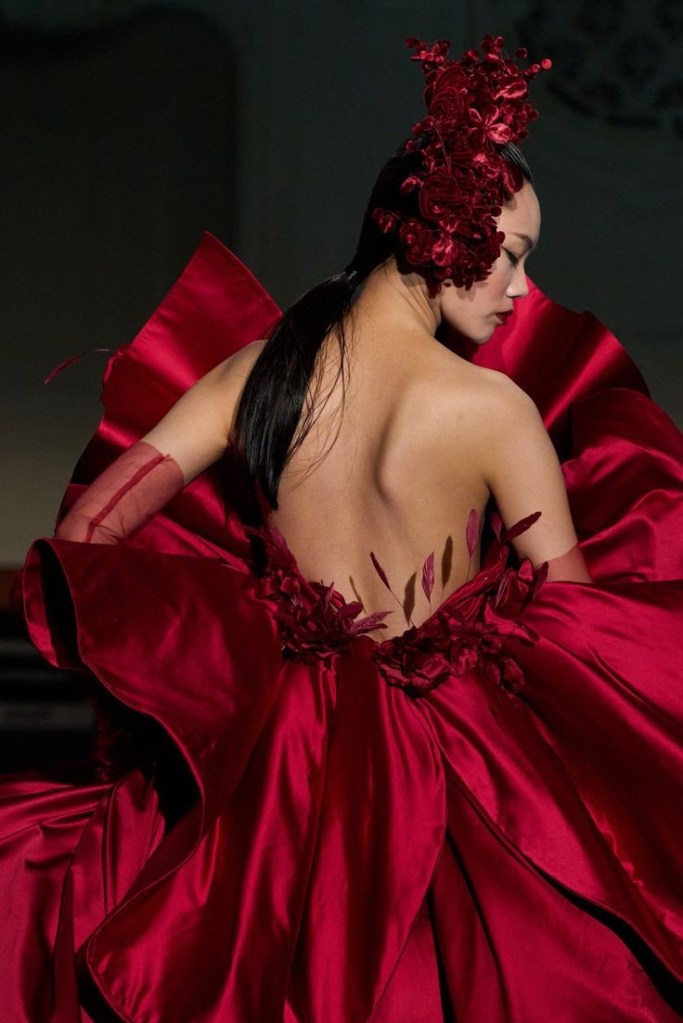
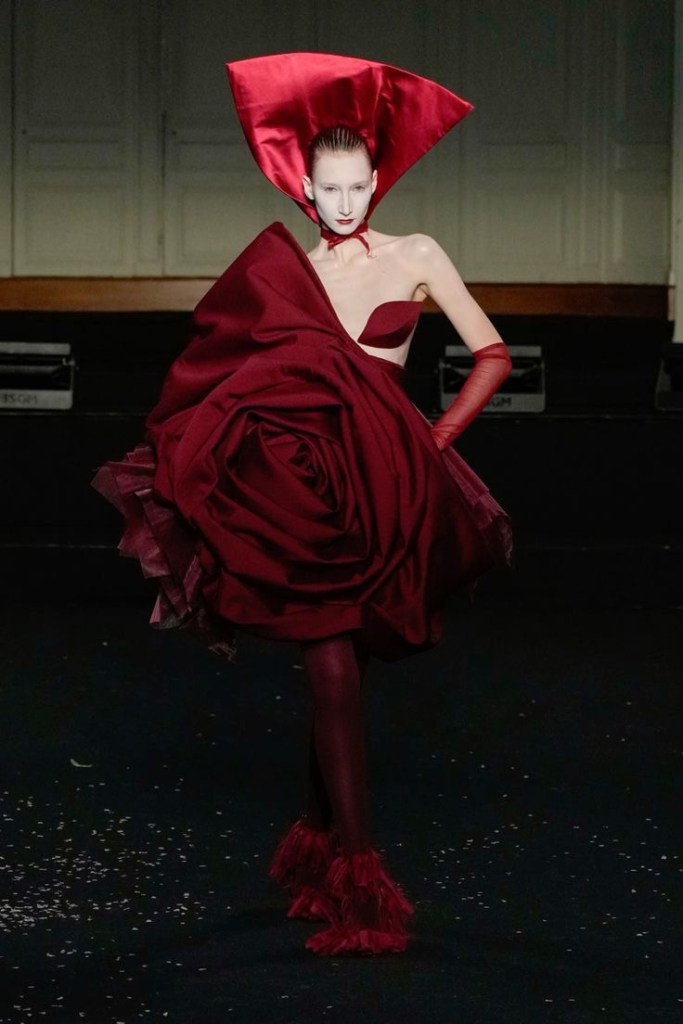
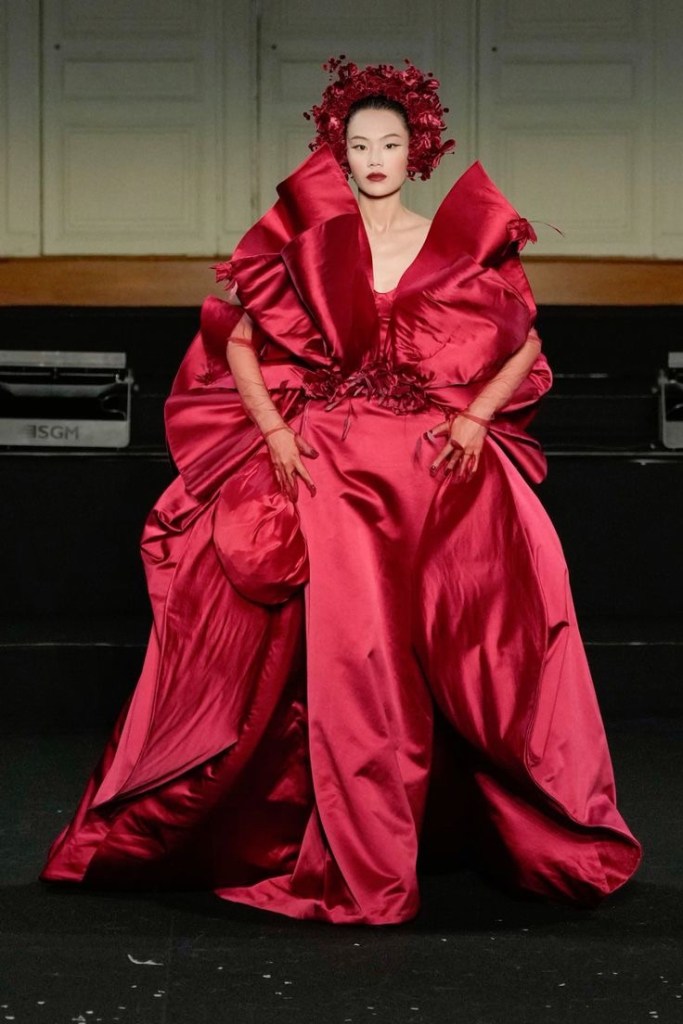
    Take for example the rose, a peculiar flower that despite its most classical representation is actually distinguished in a huge array of varieties, each articulated in its own symbolic meanings and botanical characteristics. Following on the trail previously proposed, it is interesting to report the mystical aspect that illuminates the birth of this flower according to Greek mythology. Belief has it that the goddess of flowers, Chloris, transformed a deceased nymph into a graceful flower with crimson petals that preserved its beauty intact. It was then Dionysus who gave her the unmistakable fragrance while the Charites, the three deities associated with beauty, gave her a beautiful appearance. Thanks to the work of Apollo, the right climatic conditions were finally created to allow the flowering of what is considered the queen of flowers par excellence, with its aura of charm.
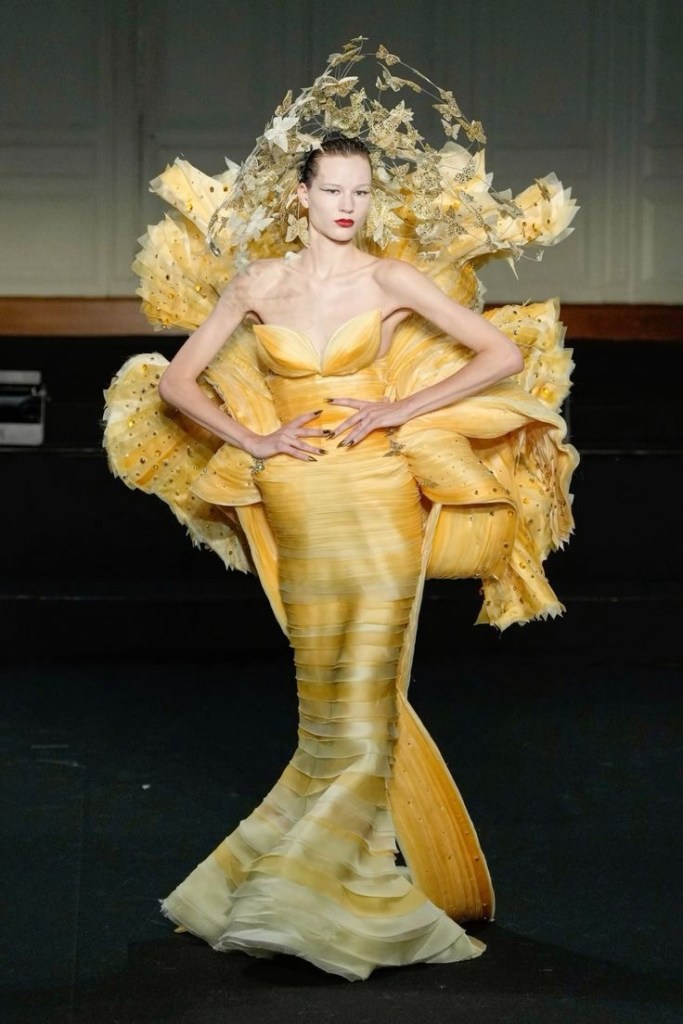
    Impossible then not to notice the distinctive brightness of marigold, the meaning of which hints at healing. This is obviously no accident, since it is a medicinal mainstay in all cultures. With its healing properties, this flower sits in a symbolic sphere residing far beyond ornamental value. But not only that, this sun-colored jewel boasts a rich cultural history in Mexico. Often associated with the spiritual cycle of life and death, it is a perfect choice for Day of the Dead celebrations, believed to comfort the souls of the physically distant. It is often incorporated into “ofrendas” (offerings) along with favorite foods, candles and mementos of the deceased. These ofrendas are set up to create a welcoming space for the spirits to return to and enjoy the gifts reserved for them, and to keep the sense of emotional responsibility ignited in the family members dedicated to caring for their memory.
    The carnation, with its elegant petals, is present as evidence of Greek, Roman and Christian traditions, linked to them once again by religious meanings. From Greek etymology it is defined as “the flower of the gods,” a name given to the flower by a certain Theophrastus. Literally “Dianthus,” often associated with the god Zeus, to whom it was offered as a gift. Similarly in Roman history: a symbol of Jupiter and a commemorative object on sacred occasions. Finally, in Christian tradition, the carnation is said to have originated from the tears of the figure of Mary, after seeing her son meet his destiny on Mount Calvary. And still, beyond the meanings assumed in sacredness in different eras and cultures, the charm of this flower, which has retained a positive meaning of love, joy or admiration, but also passion and resilience, remains vivid.
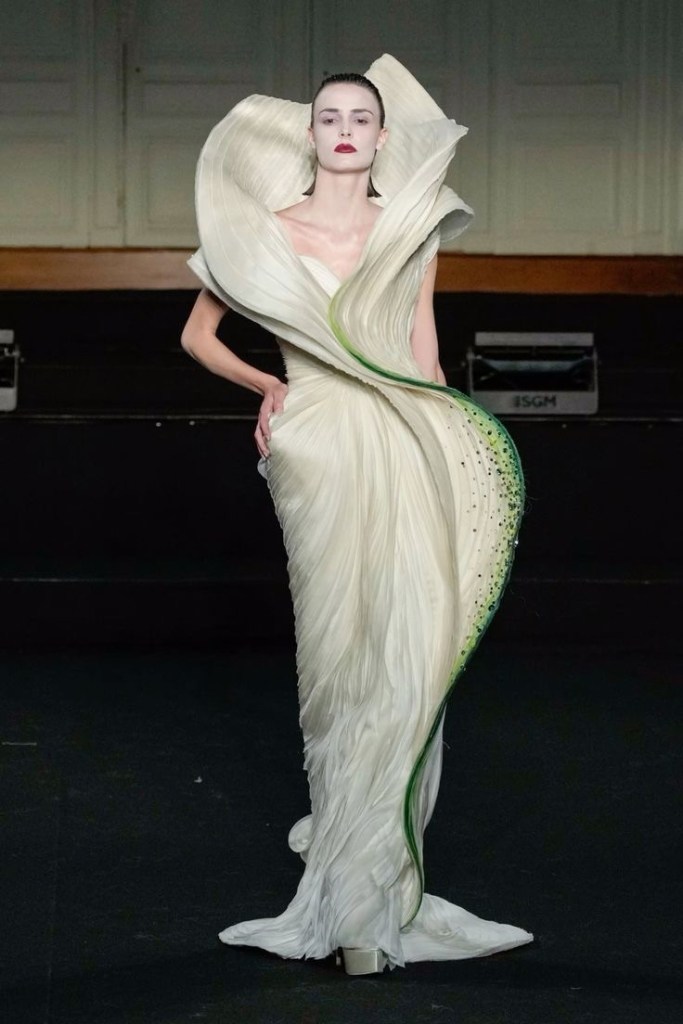
    The arum lily, one of the most elegant flowers, is derived from the Greek word “kalós”, meaning beautiful, making it a symbol of pure and delicate beauty. The narrative has it that arum lily flowers sprang from the mother’s milk of Hera, goddess of the earth and creation. And from this etymological root to today, the most popular meanings associated with this flower remain purity, perfection, elegance and eternal life. It is not surprising when one considers that according to the same belief the flower has the same origin as the Milky Way and the starry sky in which we are wonderfully immersed.
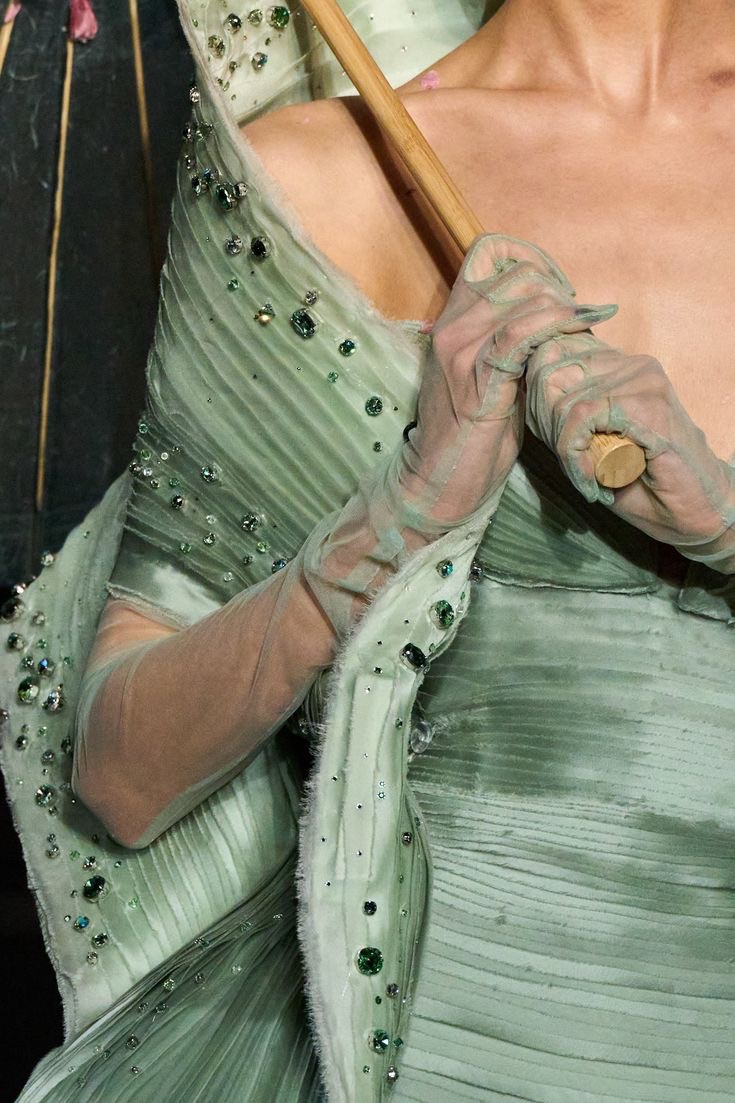
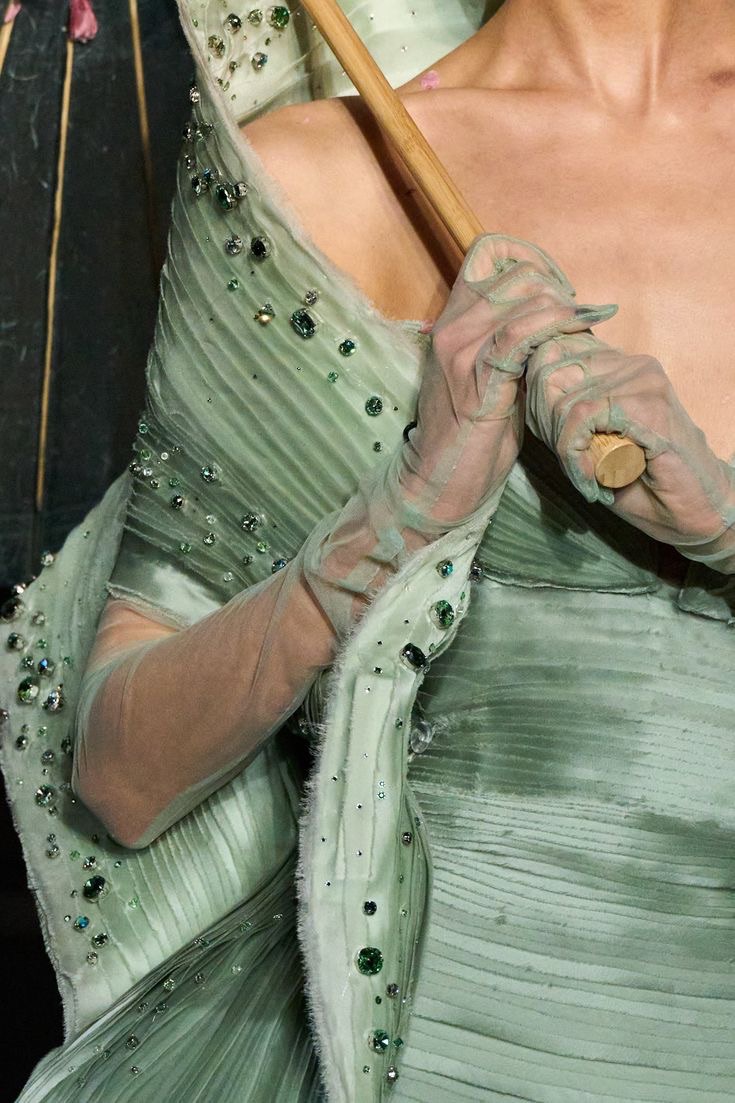
    In this journey through symbolism and botany, we need to end where we began: by observing the contingencies of a parade that is complex but at the same time rich in stimuli, perhaps precisely because of this. The most tangible stimulus is certainly visual. By focusing the audience’s attention on the models’ eyes, as well as on their skin, in a meticulous combination with fresh flowers and headdress ornaments, the designer pays homage to botanical painting and facial aesthetics, as indeed one would expect from someone who marries innovation with cultural tradition. The models’ makeup in particular stands out, which, evocative of watercolor and ink paintings, undoubtedly contributed to the ethereal aesthetic of the collection, posing as a further reference to Chinese tradition.

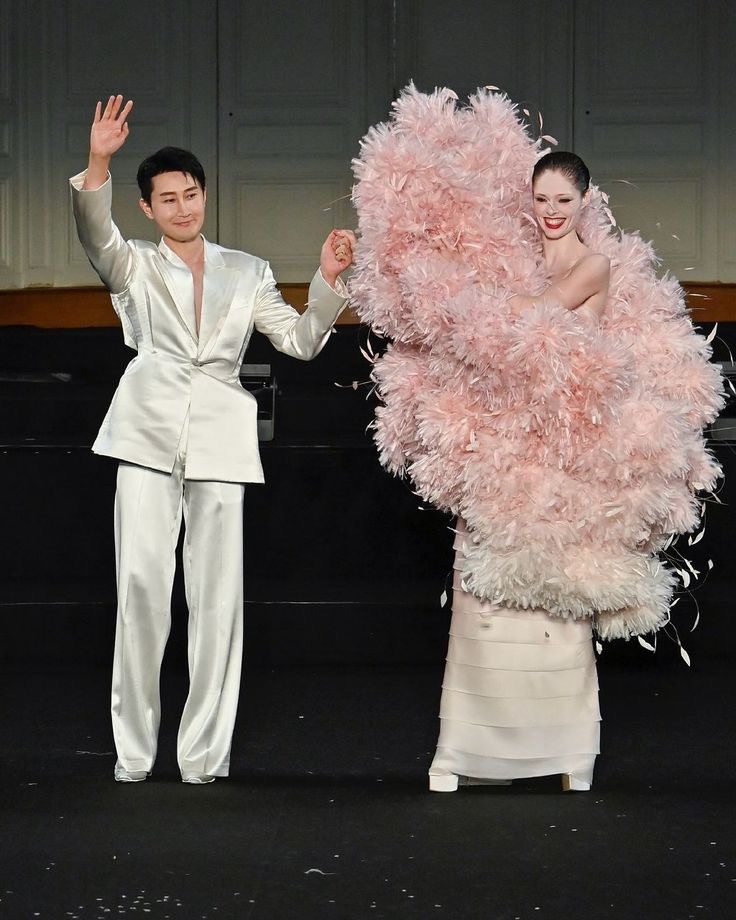
    And so, among sumptuous skirts and tulle ruffles, through the expressive charge of a myriad of colors pronounced by cherry red lips, Chan’s invitation is to look at our surroundings, and maybe even a little inside of ourselves. Recalling our roots without forgetting that we can compose with their fragments a mosaic of novelty and life.
  • “Dream in Bloom” di Cheney Chan: un viaggio attraverso simbologia e botanica

    “Dream in Bloom” di Cheney Chan: un viaggio attraverso simbologia e botanica

    Tra le molteplici sfaccettature della moda, uno spazio necessario è quello che occorre riservare ad artisti emergenti e colmi di creatività. Come nel caso dello stilista cinese Cheney Chan. Questi ha presentato la sua nuova collezione “Dream in Bloom” alla sala concerti Salle Gaveau di Parigi durante la Settimana dell’Alta Moda. Lo ha fatto combinando la tradizione della porcellana cinese – che funge da ispirazione centrale – e la botanica, rendendo perfettamente i dettagli di delicati fiori, in un giardino di colori e storie.

    Infatti, così come la tecnica di modellatura della ceramica trae ispirazione dagli antichi metodi di lavorazione, la collezione mette in mostra la tradizione esprimendola attraverso la bellezza della forma nell’abbigliamento, con silhouette modellate da linee curve originanti da attenti processi di scultura e raffinazione dei tessuti, risultando in forme sinuose ed equilibrate, le quali non possono che richiamare lo sguardo sulla bellezza che risiede nella struttura delle cose.

    La collezione, un tributo alla natura ciclica del tempo e della vita, trova come suo perno il numero 12, con il significato mistico che questo porta con sé. Rappresenta infatti la perfezione, l’interezza e l’ordine cosmico nelle tradizioni fin dall’antichità. Dalla mitologia greca al Nuovo Testamento della Bibbia, passando per i 12 mesi, le 12 ore e i 12 segni zodiacali. E la narrazione proposta da Chan, ispirata a numerose storie classiche cinesi, attribuisce ad ogni design una delle 12 caratteristiche fondamentali. Purezza, coraggio, fascino, resilienza, resistenza, passione, libertà, eroismo, indipendenza, chiarezza, responsabilità e autenticità. A solidificare tali aspetti sono le caratteristiche di una galleria di fiori, da sempre considerati strumenti di linguaggio dal profondo valore simbolico e dal grande potenziale comunicativo.

    Lo stilista ha infatti integrato abilmente il bagaglio della cultura filosofica, mitologica e teologica con la bellezza naturale dei fiori e delle farfalle proposti nella collezione, con il dichiarato intento di sollecitare la riflessione ed alimentare un senso di rinascita e trasformazione nello spettatore. “Ogni fiore simboleggia la delicatezza e la vitalità delle donne; ogni farfalla incarna la loro trasformazione e la loro luminosità“, ammette.

    E così osserviamo questi fiori, cercando di assimilare alcuni degli elementi botanici che li caratterizzano ed i sensi relativi al sistema valoriale associato ad essi, e possiamo proporre una serie di interconnessioni e parallelismi tra i capi indossati e i tratti della natura rappresentata.

    Prendiamo ad esempio la rosa, un fiore peculiare che nonostante la sua più classica rappresentazione si distingue in realtà in un enorme serie di varietà, ognuna articolata in significati simbolici e caratteristiche botaniche propri. Seguendo sulla traccia precedentemente proposta, è interessante riportare l’aspetto mistico che illumina la nascita di questo fiore secondo la mitologia greca. La credenza vuole che la dea dei fiori, Cloride, trasformò una ninfa ormai deceduta in un fiore grazioso dai petali cremisi, che conservassero intatta la sua bellezza. Fu poi Dionisio a donarle l’inconfondibile profumo mentre le Cariti, le tre divinità legate alla bellezza, le donarono un aspetto meraviglioso. Grazie all’operato di Apollo, furono infine create le condizioni climatiche adatte per permettere il fiorire di quella che viene considerata la regina dei fiori per eccellenza, con la sua aura di fascino.

    Impossibile poi non notare la luminosità peculiare della calendula, il cui significato rimanda alla guarigione. Non è ovviamente un caso, trattandosi di un pilastro medicinale in tutte le culture. Con le sue proprietà curative, questo fiore si colloca in una sfera simbolica residente ben oltre il valore ornamentale. Ma non solo, questo gioiello dai colori solari vanta una ricca storia culturale in Messico. Spesso associato al ciclo spirituale della vita e la morte, costituisce una scelta perfetta per la celebrazione del Giorno dei Morti, ritenuto in grado di confortare le anime delle persone fisicamente lontane. Spesso viene incorporato nelle “ofrendas” (offerte) insieme ai cibi preferiti, alle candele e ai ricordi del defunto. Queste ofrendas sono allestite per creare uno spazio accogliente in cui gli spiriti possano tornare e godere dei doni riservati loro, e mantenere acceso il senso di responsabilità affettiva da parte dei familiari che si dedicano alla cura della loro memoria.

    Il garofano, dagli eleganti petali, è presente come testimonianza delle tradizioni greca, romana e cristiana, legato ad esse ancora una volta da significati di tipo religioso. Dal greco etimologicamente lo si definisce come “il fiore degli dei”, nome che un certo Theophrastus diede al fiore. Letteralmente “Dianthus”, spesso associato al dio Zeus, cui si offriva in dono. Similmente accadeva nella storia romana: simbolo di Giove e oggetto commemorativo in occasioni sacre. Infine, nella tradizione cristiana si narra che il garofano sia nato dalle lacrime della figura di Maria, dopo aver visto il figlio andare incontro al proprio destino, sul Monte Calvario. E comunque, al di là dei significati assunti nella sacralità in epoche e culture diverse, resta vivido il fascino di questo fiore, che ha conservato un significato positivo di amore, gioia o ammirazione, ma anche passione e resilienza.

    La calla, uno dei fiori più eleganti, deriva dal greco “kalós”, che significa bello, e ne fa un simbolo di pura e delicata bellezza. La narrazione vuole che i fiori della calla fossero scaturiti dal latte materno di Era, dea della terra e della creazione. E da questa radice etimologica ad oggi i significati più diffusi associati a questo fiore restano purezza, perfezione, eleganza e vita eterna. Non stupisce se si pensa che secondo la stessa credenza il fiore abbia la medesima origine della Via Lattea e del cielo stellato in cui siamo meravigliosamente immersi.

    In questo viaggio tra simbolismo e botanica, occorre terminare dove abbiamo iniziato: osservando le contingenze di una sfilata complessa ma al tempo stesso ricca di stimoli, forse proprio per questo. Lo stimolo più tangibile è certamente visivo. Concentrando l’attenzione del pubblico sugli occhi delle modelle, oltre che sulla pelle, in un connubio meticoloso con i fiori freschi e gli ornamenti dei copricapi, lo stilista rende omaggio alla pittura botanica e all’estetica del volto, come d’altronde ci si aspetterebbe da qualcuno che sposi l’innovazione con la tradizione culturale. In particolare risalta il trucco delle modelle, il quale, evocativo di dipinti ad acquerello e inchiostro, ha contribuito senz’altro all’estetica eterea della collezione, ponendosi come ulteriore riferimento alla tradizione cinese.

    Insomma, tra gonne sontuose e balze di tulle, attraverso la carica espressiva di una miriade di colori pronunciati da labbra rosso ciliegia, l’invito di Chan è a guardarsi intorno, e forse anche un po’ dentro. Richiamando le proprie radici senza dimenticare di poter comporre con i frammenti di esse un mosaico di novità e vita.

  • Robert Wun and “Time”: appreciating life and embracing ending 

    Robert Wun and “Time”: appreciating life and embracing ending 

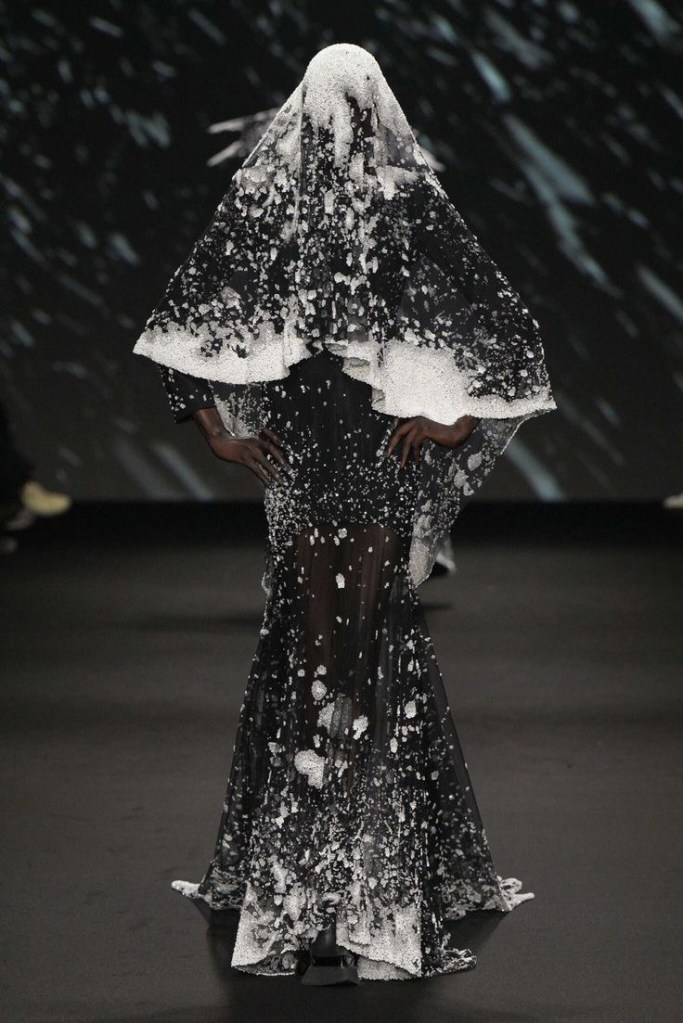
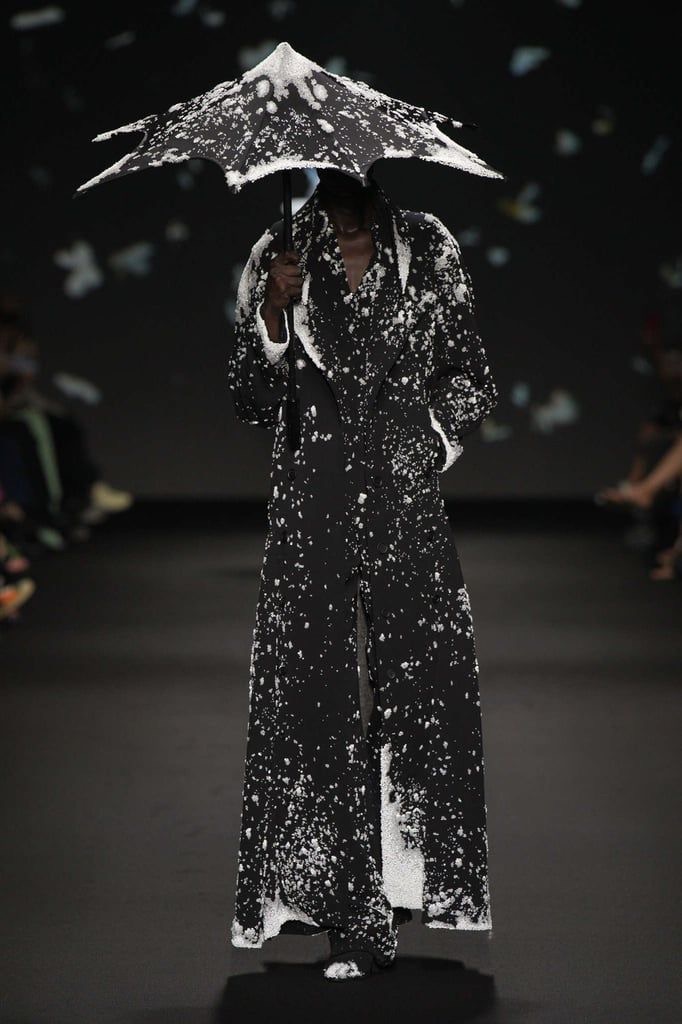
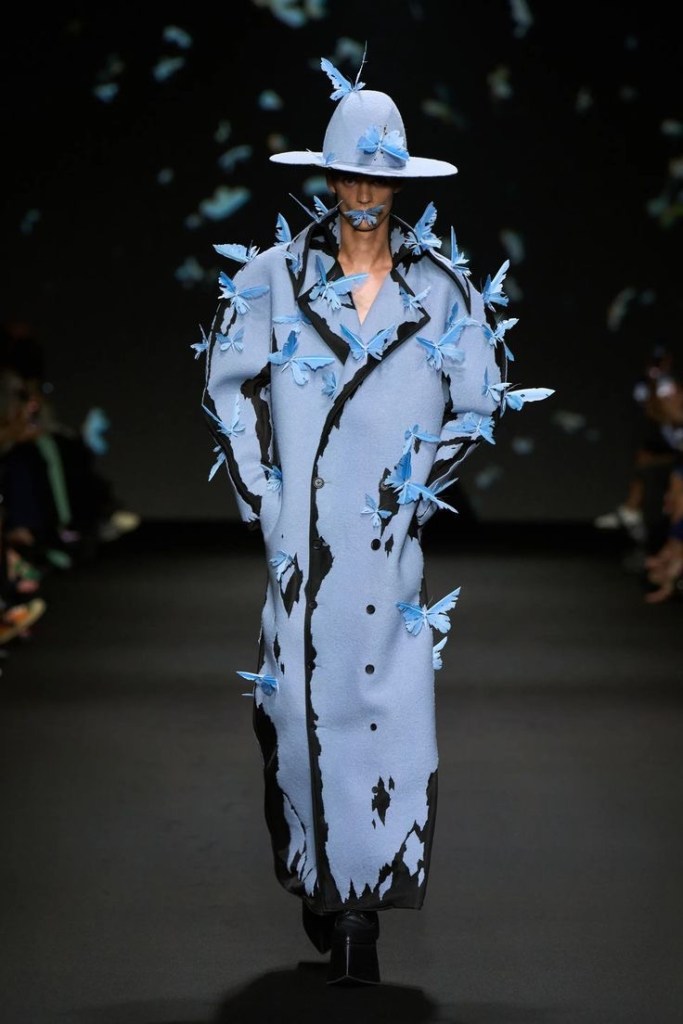
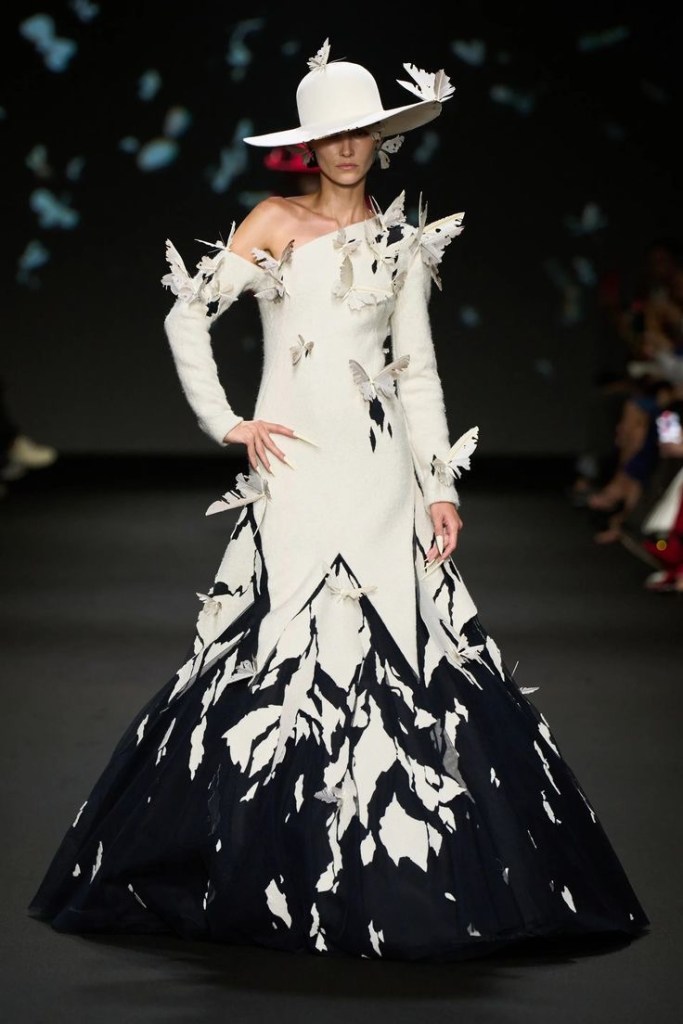
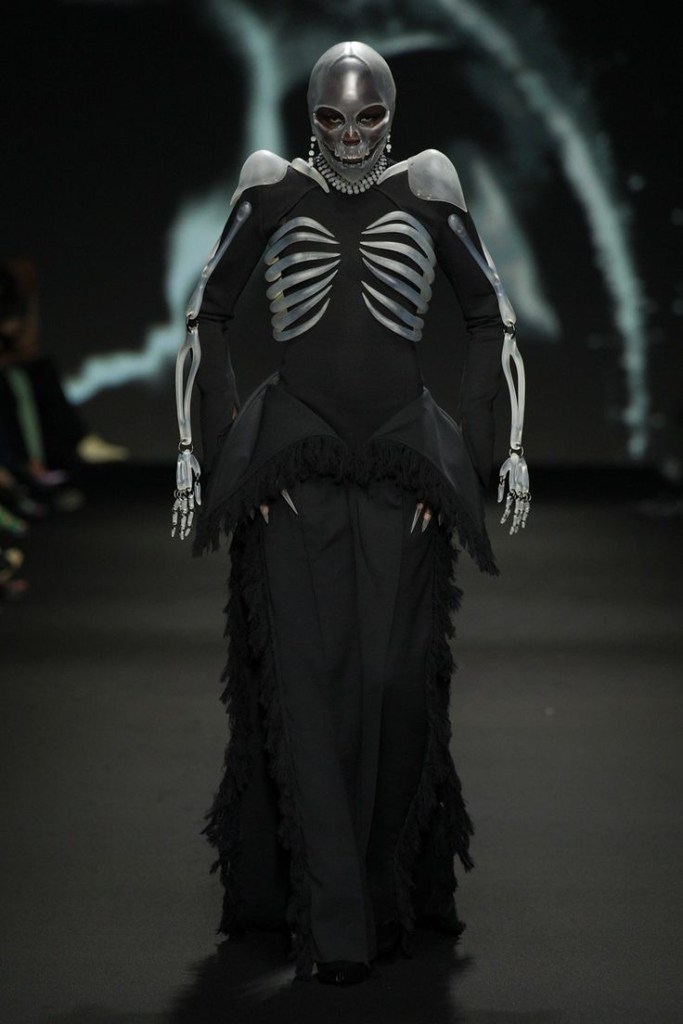
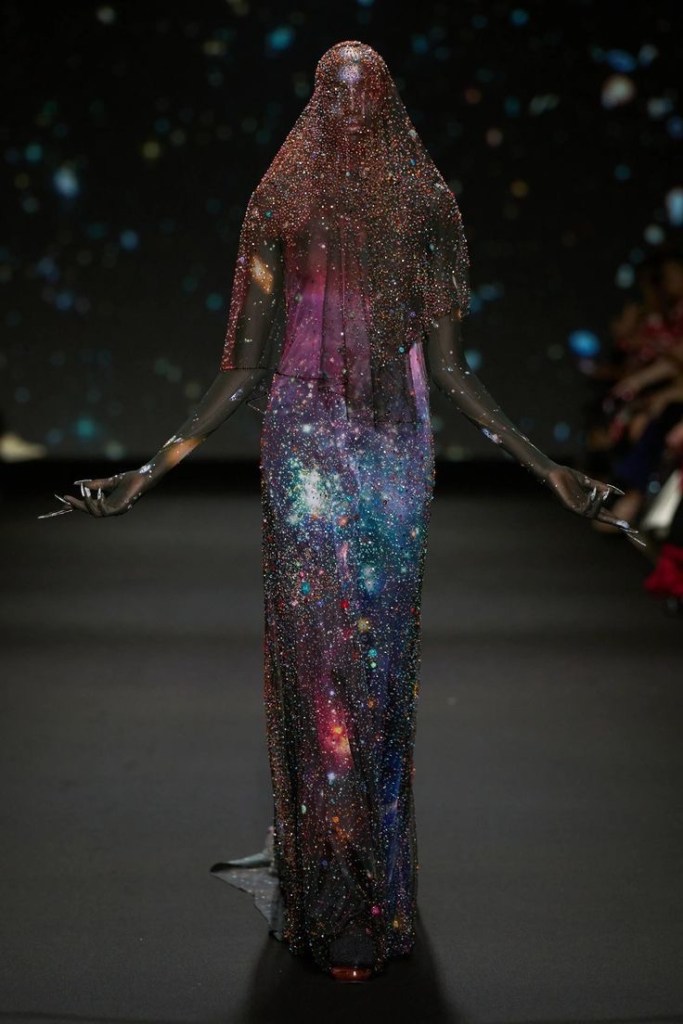
    Black draperies and cloaks dotted with snowflakes, flamboyant silhouettes alternating with essential fabrics awash in cherry blossom flowers. Pastel-colored coats sprinkled with butterflies and vivid leafy dresses. Silky layers of skin toned fabric, a blood-red sheath covered in standing bugle beads. Skeleton mannequins and layers of cosmic tulle embroidered with galaxies of tiny multi-colored crystals, shimmering in the dim light. If you were asked to describe the essence of life and time you would notice that there is little to think about beyond the intriguing show displayed on the runway.

    Chinese designer Robert Wun celebrated the 10-year anniversary of his label with a couture show titled “Time”. Born in Hong Kong, the creative moved to London where he studied at London College of Fashion. He graduated in 2012 and launched his own homonym fashion brand in 2014. The brand debuted their first runway show in Paris, January 2023, with the support of Bruno Pavlovsky at CHANEL. Wun became the first designer from Hong Kong to join the Haute Couture Calendar in its history, as a guest member of The Fédération de la Haute Couture et de la Mode. He stated that the aim of the collection was to reflect on “why I do fashion, and what does time mean?” The answer he found is quite simple yet undeniably profound. “To accept that one day everything ends—and that’s okay.

    He told Vogue: “To say that we’ve got to live in the moment is a cliché, but, really, what you’re doing you can only do it once, so better enjoy it no matter success or failure. To translate the concept of the passing of time into actual clothing, Wun envisioned the progression of seasons.

    Opening the show with winter, a period that makes people more reflective, according to the creator of the collection. A black gown with a matching veil embroidered in crystals, portraying the first falling of snow, moved elegantly through the shadows of the venue. A snowy effect was also rendered as a white layer on a slender trailing coat that looked as if it had been shredded apart and then mended back together with a kintsugi-like technique. This expression, kintsugi, refers to the Japanese art of putting broken pottery pieces back together with gold, a metaphor that serves as an invite to embrace the broken pieces of ourselves as an indispensable part of the human experience. And clearly, repaired cracks of the pottery represent the healing process that gives value to the end result rather than detracting from it.

    In Chinese philosophy, flowers are beautiful because they aren’t meant to be forever. If they’d blossom forever people wouldn’t find beauty in them”, stated Wun.

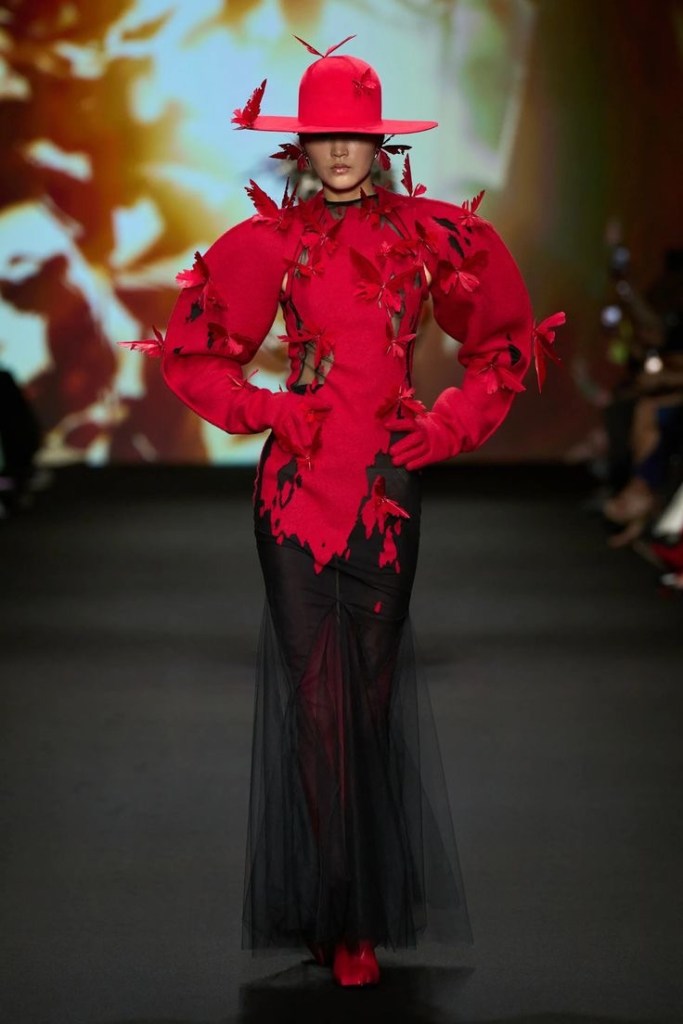
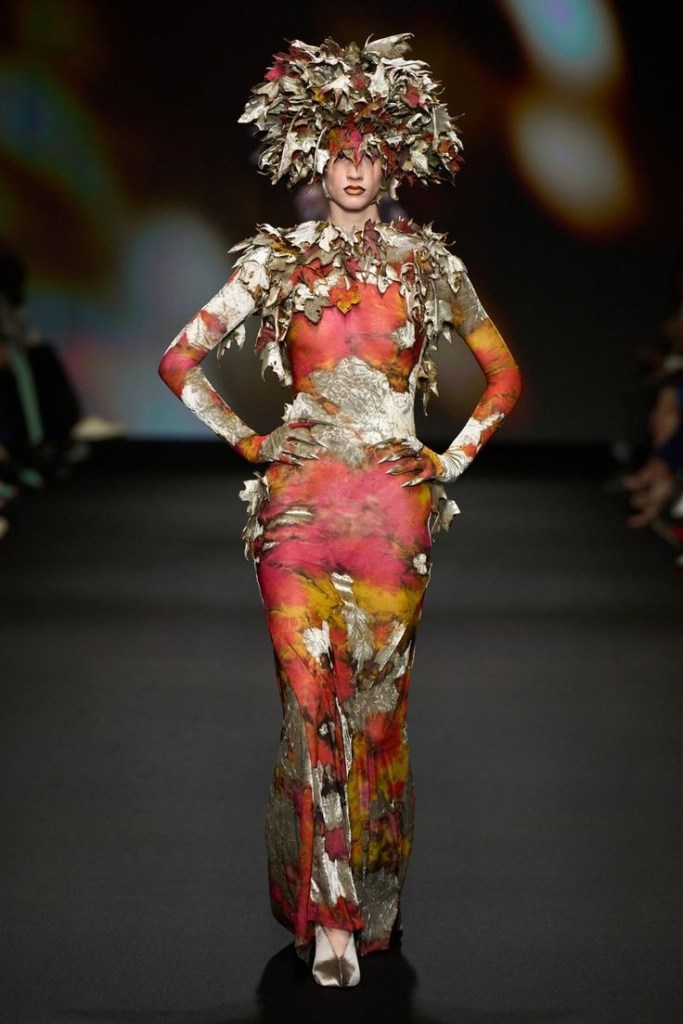
    For this reason, flowers and butterflies were depicted in their decay rather than in their gloriousness, since it is in their vanitas that beauty lies. And so, spring and summer are not to be imagined as sparkling splashes of color on a blue sky, but rather as timid but wise pencil strokes against a background of inevitability. Full of hope, yet quite nostalgic. Time’s erosion on every living being was rendered by burnings repeated with conviction throughout the collection. The team scanned the burn marks done on a piece of organza, then printed it on silk and did further burning on the edges to emphasize the effect. Clothes of vivid red color and carpets of leaves trace the conclusion of the cycle bringing with them the wonder of autumn, on a suggestive background.

    However, the story did not end there. In the collection’s narration of the passing of time, the four final looks represented the four layers of the human body. The skin, flesh, bones, and soul.

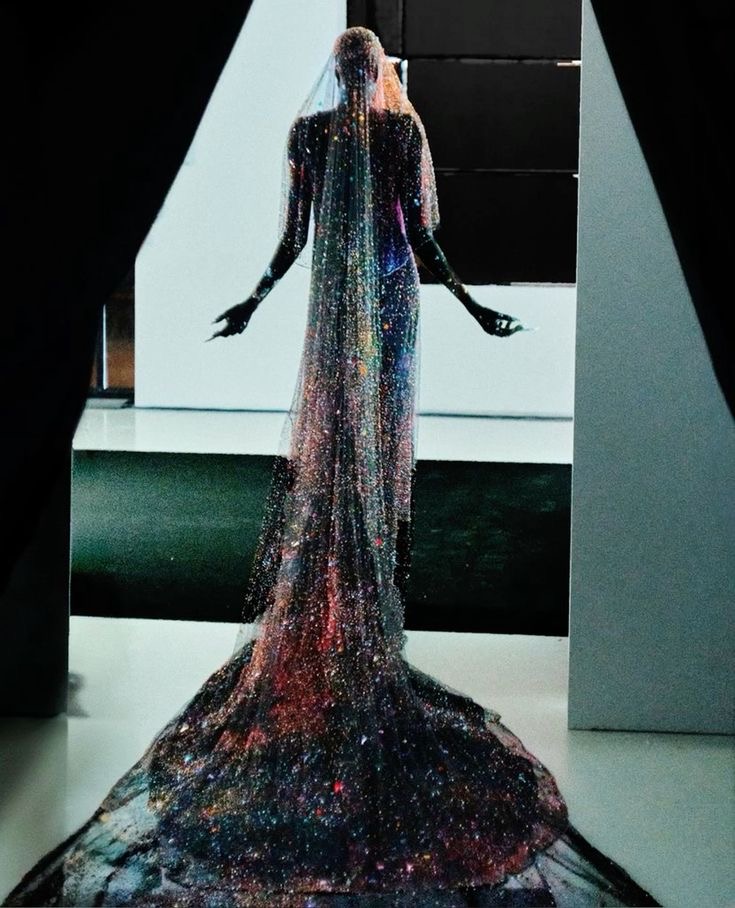
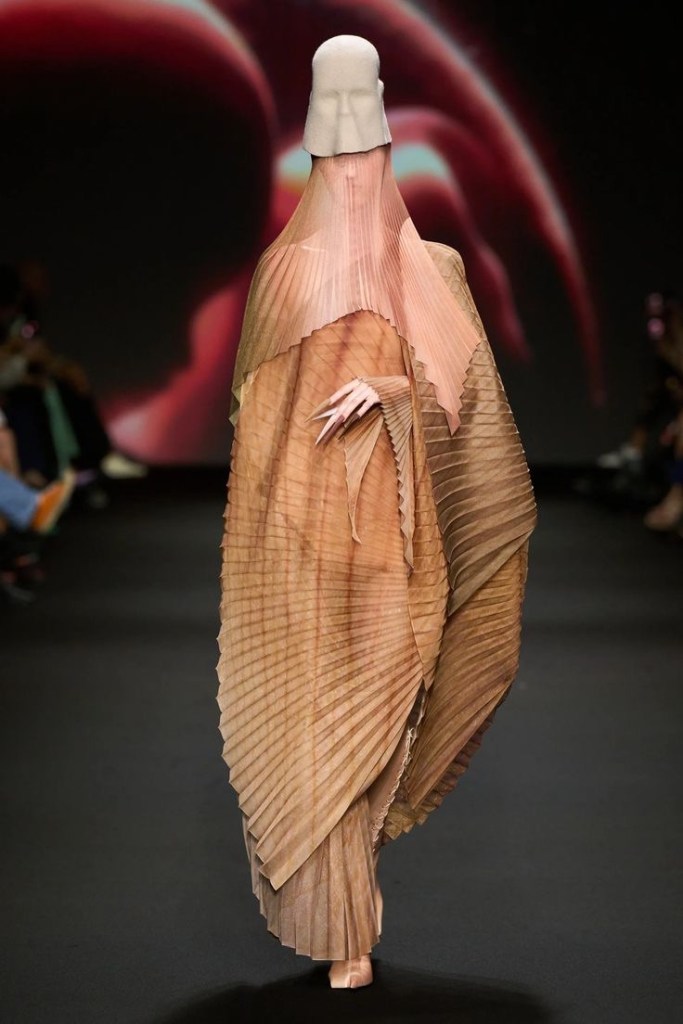
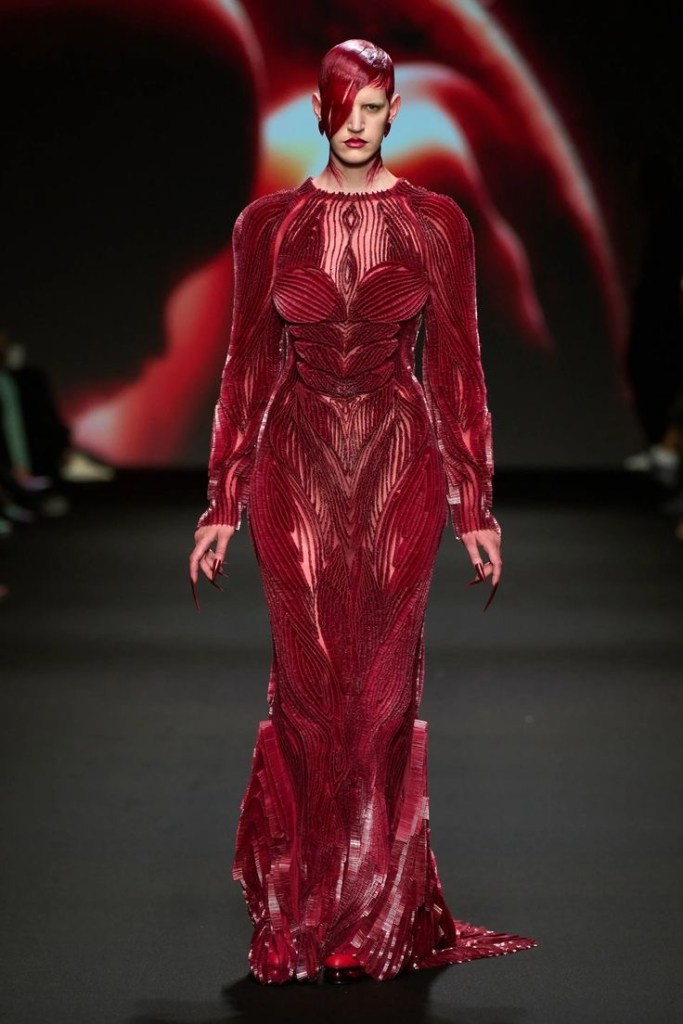
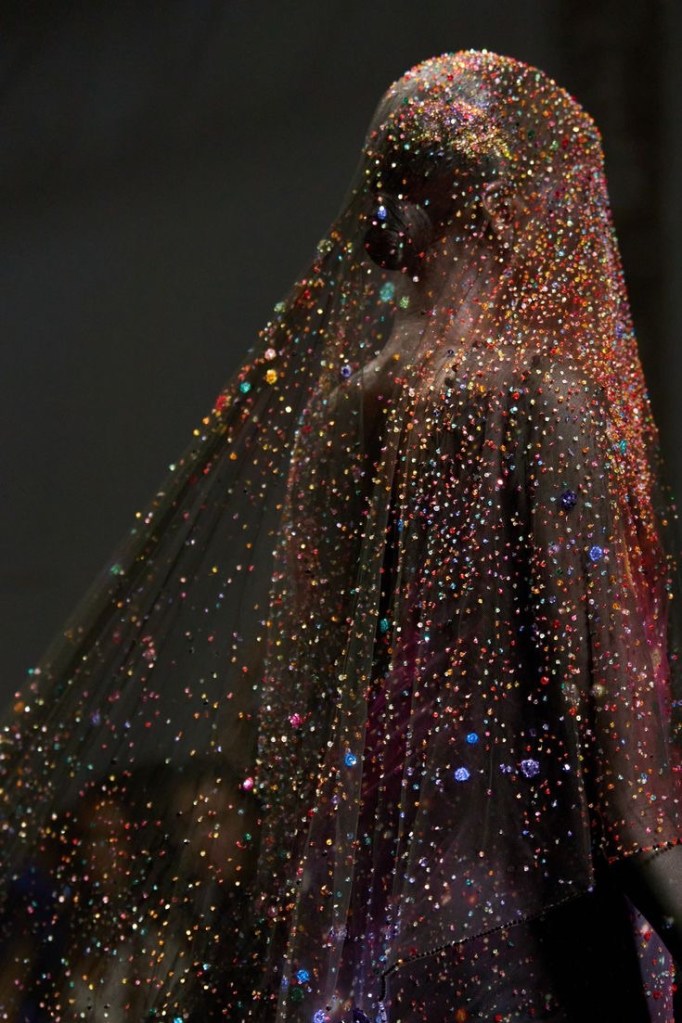
    The skin was concretized by a multi-layered cocoon gown, made with six shades of skin tones plisse, a face molded velour hat and spiral cut boots made of printed leather. The flesh was a blood-red slender sheath covered in 68500 bugle beads that were sewn standing up as spikes. The dress was apparently so heavy (40 kilos) that it couldn’t be hung.  A translucent sculptural harness with a helmet mask, worn with a wool-silk blend tailored jumpsuit, surmounted by a half-skeleton mannequin that dangled ominously at every step. The bones were “a reflection on the desire for immortality and the inevitable mortality”. And finally, a trailing veiled gown recalling the vision of a myriad of constellations closed the show. Embroidered with 97000 Swarovski crystals and a total of 1430 hours of hand work, the closing look was a recreation of the Milky Way. After stripping away the physical dimension of the body and tasting the paradoxical wonder of the fleetingness of the tangible dimension, Wun leads us toward the magic of spiritual abstraction, teaching one last lesson. 

    Everything is meant to perish, except for the soul. For it belongs to the universe and there it goes back.