Tag: Iris van Herpen couture

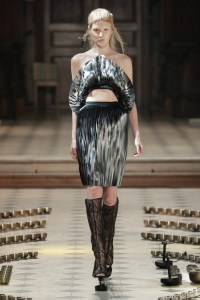
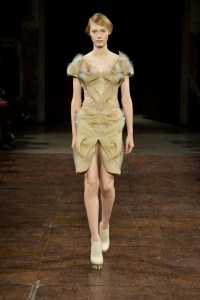
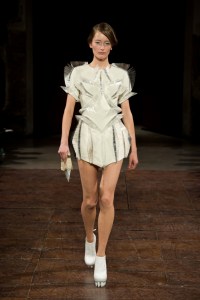
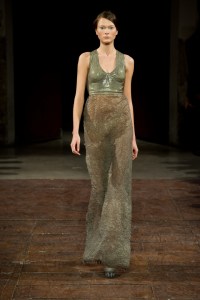
  • Iris van Herpen: when high tech and science collide with fashion

    Iris van Herpen: when high tech and science collide with fashion

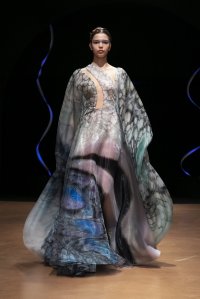
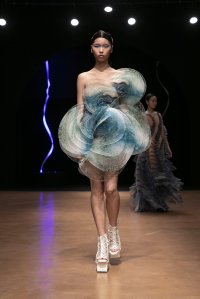
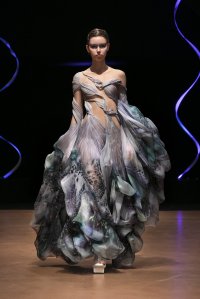
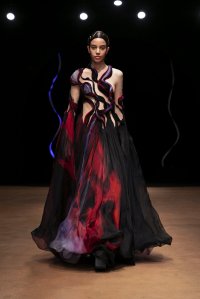
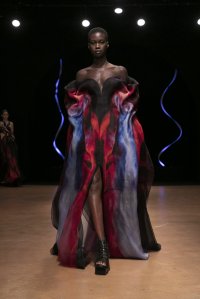
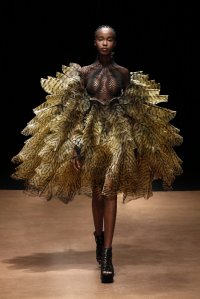
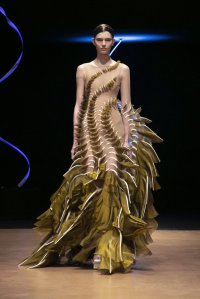
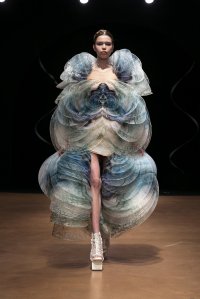
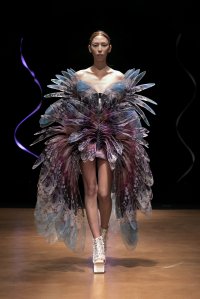
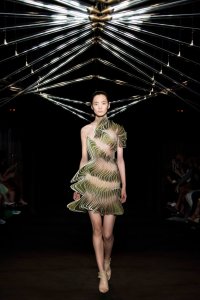
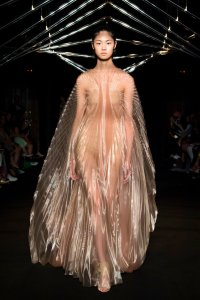
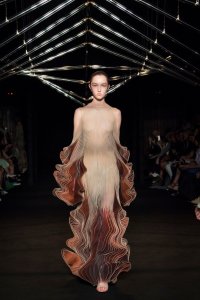
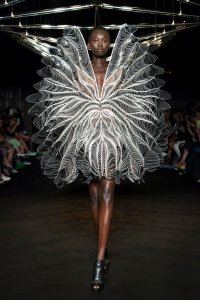
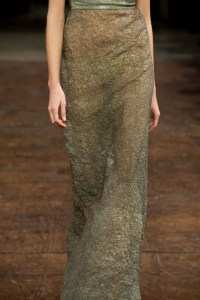
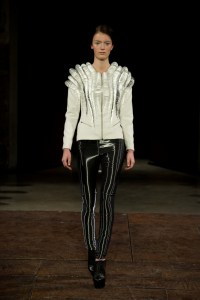
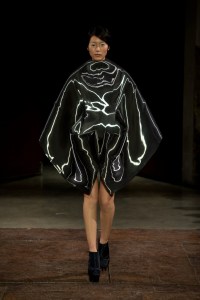
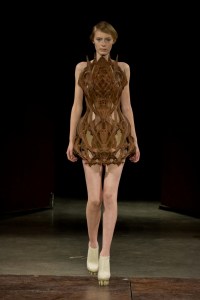
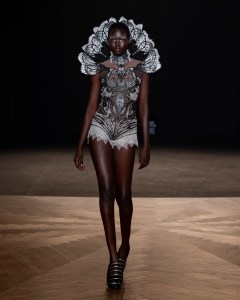
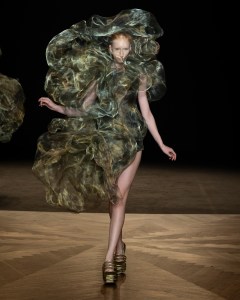
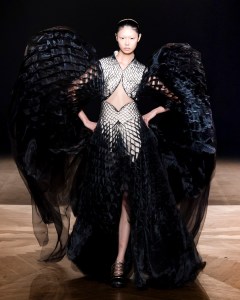
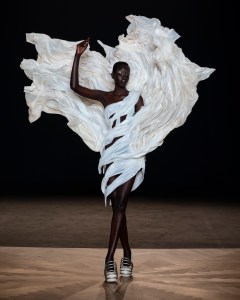
    From laser cut to 3-D printing, or electromagnetic weaving, embracing silicone and metals. Ever wondered what would happen if high tech and science collided with fashion? Dutch fashion designer Iris van Herpen most definitely did. Incorporating inspiration from chemistry, physics, biology and paleontology, the idea that fashion would be moved by nature is taken to another level. “Fashion is an instrument for change, to shift us emotionally. Through biomimicry I look at the forces behind the forms in nature, these patterns and natural cycles are my guide to explore new forms of femininity for a more conscious and sustainable fashion for the future”.

    Let’s explore her universe, studded with innovation and research.

    Creative roots

    With no academic background in tech or science, the creative has been a pioneer in transforming couture, improving her work through collaborations with specialists and meticulous study. Recalling a 2014 trip to CERN, she states that admiring the Large Hadron Collider reached her in a new way. The particle accelerator, embedded in a tunnel, exerts a magnetic field about a hundred thousand times stronger than that of Earth. Innumerable magnets and electronic devices are linked together with color-coded wiring and brightly painted metal structures. It struck her as the most beautiful thing she had ever seen. She told the New Yorker that “it was so overwhelming that people could have made it, the complexity, and the simplicity, of it. The construction looks like a big puzzle, like a big Lego. It is very simple in materiality, but what it researches is so complex”, describing it as simply “mesmerizing”.

    Magnetic Motion

    The following year, she collected some information to give birth to her new collection titled Magnetic Motion, made from laser-cut acrylic mesh, placed around the wearer’s body in evocation of a force field. For the same collection she collaborated with Dutch designer Jólan van der Wiel, with whom she designed shoes made from resin mixed with iron filings; while the material was still in molten form, it was subjected to magnetic forces that distorted its surface, immersing the matter in its own concept.
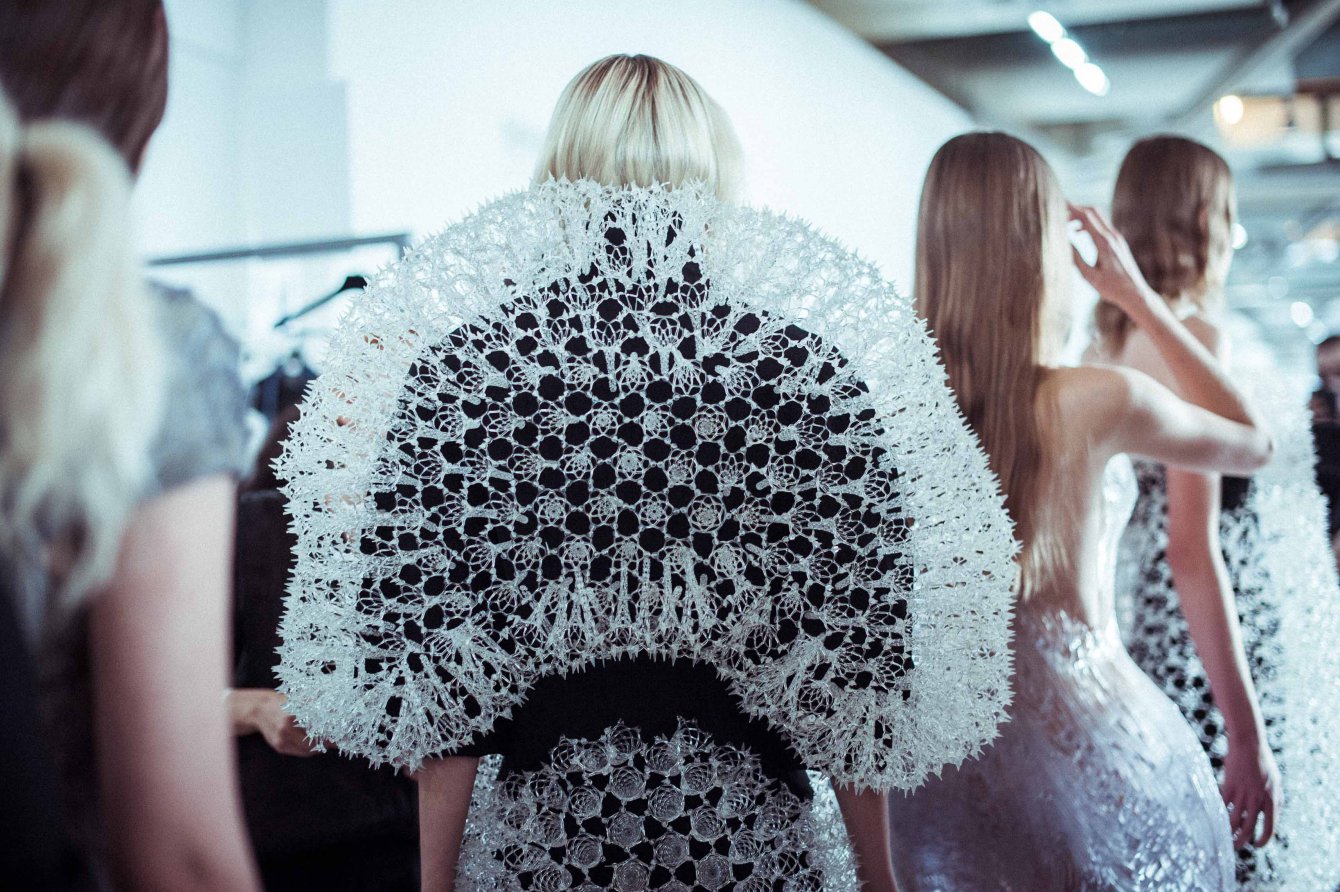
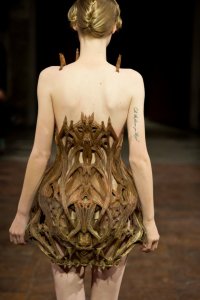
    Iris van Herpen couture design combining technology and fashion, with laser-cut textures and futuristic silhouettes inspired by science.
    Image © Iris van Herpen

    And here we are now. In her last collections, a variety of abstractions are developed with such grace and maniacal detail at the same time. Featuring notions from different disciplines, and with multilevel inspiration from brilliant minds, the following examples (presented out of chronological order, with the exception of the final two paragraphs on the AW24 and AW25 collections) can give an idea of what we are talking about.


    Sensory Seas

    Firstly, the Sensory Seas collection. Imagine holding up a mirror and looking through your own mind’s synapses. Then, looking more in depth, finding a glimpse of the fibrous marine ecology of our oceans. Spanish neuroanatomist Ramón y Cajal is the muse of this project. Cajal, considered the father of modern neuroscience, made discoveries during the last dozen years of the 19th century that were going to change the way we study and think of the brain forever. His theory, immediately accepted by most, but not specifically proven until the 1950s, was that neurons stay in touch without touching. They communicate across infinitesimal gaps defined as synaptic clefts.

    Exploring our central nervous system in microscopic detailing, Cajal documented his revolutionary findings through anatomical drawings that are considered amongst the world’s greatest scientific illustrations. Merging science with art, he brought to life the threads of our enchanted biology in small notebook renderings with shifting combinations of ink and graphite. Results may hypnotize. The association is clear at first sight: there’s an invisible string connecting the structure of our mind, the one of a tree or that of a marine organism.

    Sensory Seas holds a microscope over the indelible nuances between the anthropology of a marine organism, to the role of dendrites and synapses delivering infinite signals throughout our bodies. It enchants the attention of how two processes of torrential messaging exist in an uninterrupted state of flux

    (from Iris Van Herpen’s official description).
    • Iris van Herpen Sensory Seas couture gown inspired by neuroscience and marine ecology, featuring fluid lines that echo synapses and ocean fibers.
    • Iris van Herpen Sensory Seas couture gown inspired by neuroscience and marine ecology, featuring fluid lines that echo synapses and ocean fibers.
    • Iris van Herpen Sensory Seas couture gown inspired by neuroscience and marine ecology, featuring fluid lines that echo synapses and ocean fibers.
    • Iris van Herpen Sensory Seas couture gown inspired by neuroscience and marine ecology, featuring fluid lines that echo synapses and ocean fibers.
    • Iris van Herpen Sensory Seas couture gown inspired by neuroscience and marine ecology, featuring fluid lines that echo synapses and ocean fibers.
    • Iris van Herpen Sensory Seas couture gown inspired by neuroscience and marine ecology, featuring fluid lines that echo synapses and ocean fibers.
    • Iris van Herpen Sensory Seas couture gown inspired by neuroscience and marine ecology, featuring fluid lines that echo synapses and ocean fibers.
    • Iris van Herpen Sensory Seas couture gown inspired by neuroscience and marine ecology, featuring fluid lines that echo synapses and ocean fibers.
    • Iris van Herpen Sensory Seas couture gown inspired by neuroscience and marine ecology, featuring fluid lines that echo synapses and ocean fibers.
    • Iris van Herpen Sensory Seas couture gown inspired by neuroscience and marine ecology, featuring fluid lines that echo synapses and ocean fibers.

    Syntopia

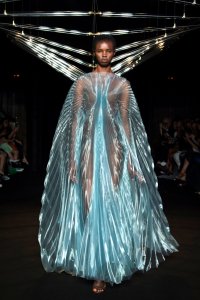
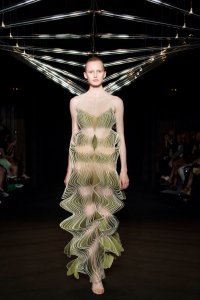
    The second collection we would like to present to you highlights the designer’s masterly aware perception of space. The collaborators for this project are Lonneke Gordijn and Ralph Nauta of Studio Drift, who specialize in choreographed sculptures and kinetic installations, aiming to re-establish the connection between humans and earth. For the show, Studio Drift created a spatial kinetic installation In 20 steps, consisting in 20 delicate glass wings that represent all the different stages of flying in an absolutely artistic and abstract manner.


    The vivacious glass bird flows in symbiosis with the models while they move over the runway, their delicate interaction emphasizes the fragility of new worlds living and soaring together”.

    What’s curious about it is how this whole dedication merged with a fundamental biographical passage:

    as a former dancer, the transformation within movement has hypnotized me. For this collection I looked closely at the minutiae of bird flight and the intricate echoing forms within avian motion”,

    says Van Herpen.
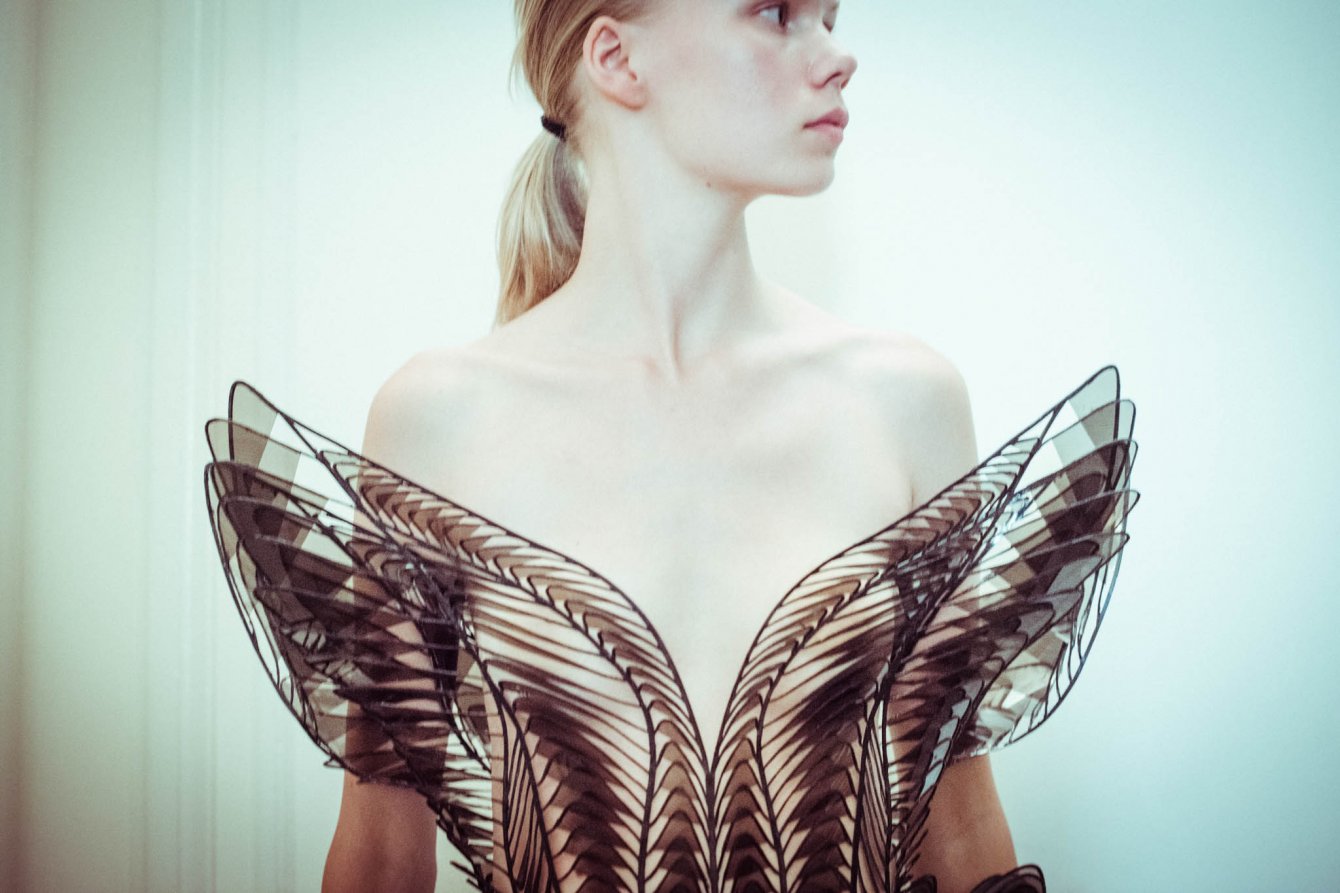
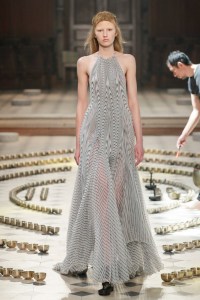
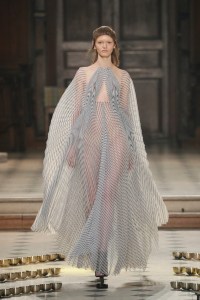
    Iris van Herpen Syntopia collection dress inspired by bird flight and kinetic installations, crafted with laser-cut organza and intricate weaving.
    Image © Iris van Herpen

    As for how to translate this precious idea onto fabric, the collection relies on one of the oldest artisanal techniques: weaving. Here, traditional weaving merges with cutting-edge, digitally designed weaving to create a series of “synthopic” coats and dresses in laser-cut wool, interwoven with leather through parametric file creation, literally cutting into time. Transparent silk organza is pleated and liquid-coated, with its transparent folds continuously overlapping in different directions to slow down movement, resembling the glass lines of the show’s kinetic installation. Meanwhile, the Inside a Second technique translates the artistry of Studio Drift and the chronophotographic lines of bird flight into thousands of two-toned transparent organza layers that are laser-cut and heat-bonded with mylar and cotton, draping like time-lapse motion. The mini Mimesis corset dresses are crafted from bird soundwave patterns, laser-cut from mylar, black cotton, red organza, and transparent black acrylic sheets, layering the silk and acrylic to beautifully mimic the architecture of feathers.
    • Iris van Herpen Syntopia collection dress inspired by bird flight and kinetic installations, crafted with laser-cut organza and intricate weaving.
    • Iris van Herpen Syntopia collection dress inspired by bird flight and kinetic installations, crafted with laser-cut organza and intricate weaving.
    • Iris van Herpen Syntopia collection dress inspired by bird flight and kinetic installations, crafted with laser-cut organza and intricate weaving.
    • Iris van Herpen Syntopia collection dress inspired by bird flight and kinetic installations, crafted with laser-cut organza and intricate weaving.
    • Iris van Herpen Syntopia collection dress inspired by bird flight and kinetic installations, crafted with laser-cut organza and intricate weaving.
    • Iris van Herpen Syntopia collection dress inspired by bird flight and kinetic installations, crafted with laser-cut organza and intricate weaving.

    Seijaku

    Seijaku is the Japanese word and concept for finding serenity amidst life’s chaos.
    In this sensory journey, the regenerating power of sound could not be missing, serving as an early, forward-looking experiment anticipating the collection just unveiled.
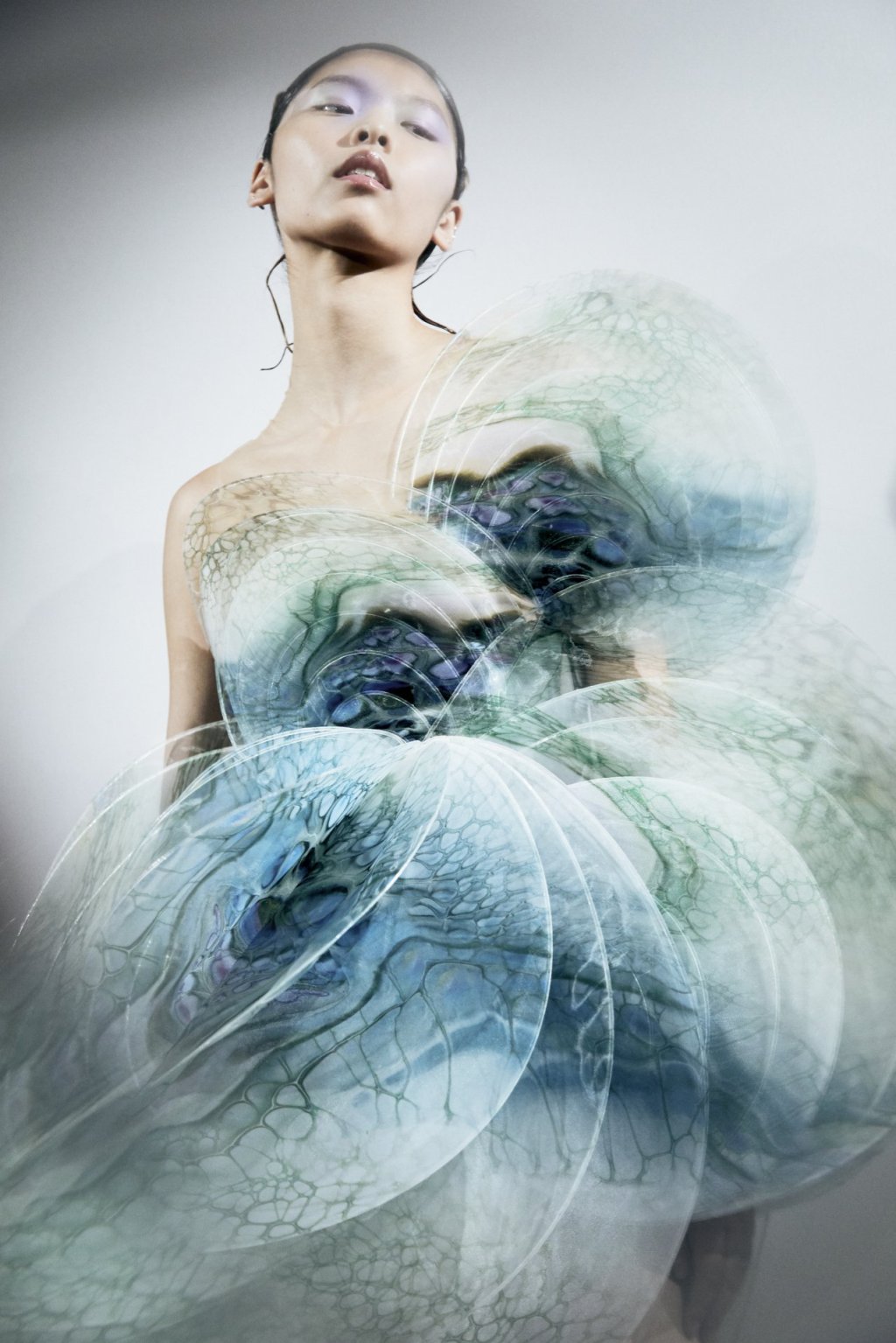
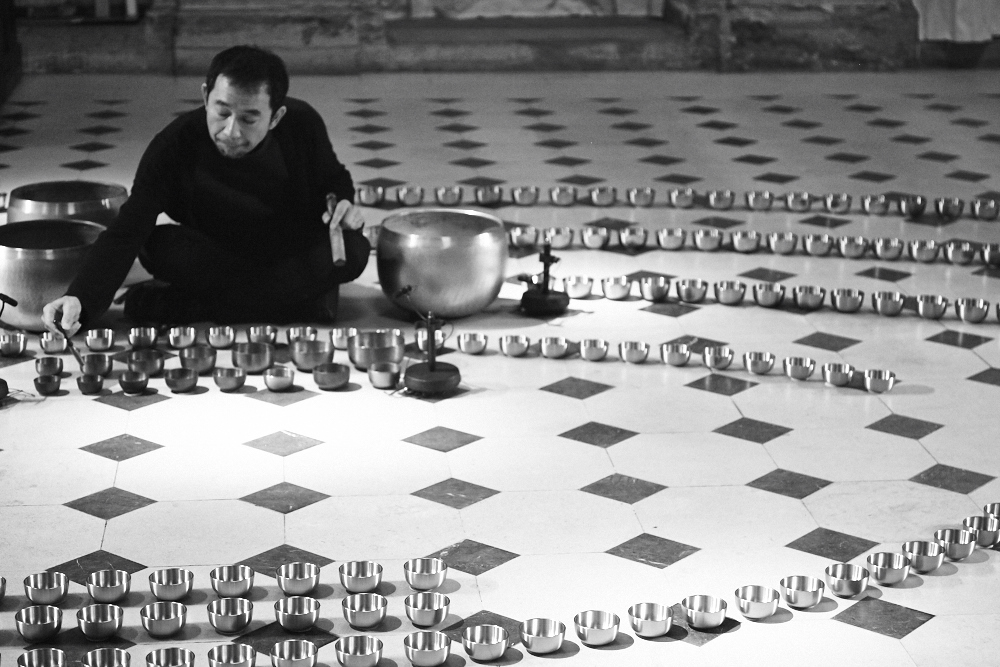
    Iris van Herpen explores cymatics, a discipline that visualizes sound waves as geometric patterns. The higher the frequency of the wave, the more complex the visible designs become. To provide a seamless experience between the show and its concept, Van Herpen collaborated with Japanese musician Kazuya Nagaya, who creates immersive, ritualized compositions through the use of bronze bells, gongs and singing bowls. The artist performed live during the show in the L’Oratoire du Louvre, an ambience specifically chosen for its exceptional acoustics.
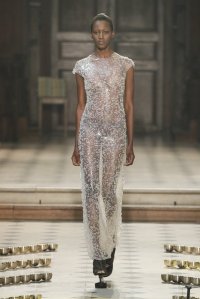
    Iris van Herpen Seijaku couture creation inspired by cymatics and sound waves, with hand-blown glass bubbles coated in silicone forming bioluminescent patterns.
    Image © Iris van Herpen

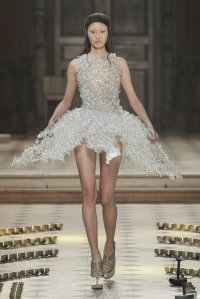
    The collection reflects circular shapes and geometric patterns, encouraging experimentation. How? By coating thousands of hand-blown glass bubbles in transparent silicone, creating a bioluminescent prism around the body.
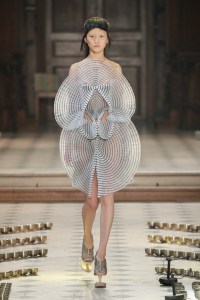
    • Iris van Herpen Seijaku couture creation inspired by cymatics and sound waves, with hand-blown glass bubbles coated in silicone forming bioluminescent patterns.
    • Iris van Herpen Seijaku couture creation inspired by cymatics and sound waves, with hand-blown glass bubbles coated in silicone forming bioluminescent patterns.
    • Iris van Herpen Seijaku couture creation inspired by cymatics and sound waves, with hand-blown glass bubbles coated in silicone forming bioluminescent patterns.
    • Iris van Herpen Seijaku couture creation inspired by cymatics and sound waves, with hand-blown glass bubbles coated in silicone forming bioluminescent patterns.
    • Iris van Herpen Seijaku couture creation inspired by cymatics and sound waves, with hand-blown glass bubbles coated in silicone forming bioluminescent patterns.
    • Iris van Herpen Seijaku couture creation inspired by cymatics and sound waves, with hand-blown glass bubbles coated in silicone forming bioluminescent patterns.

    Micro

    Moreover, to not forget the microbiological imprint on the designer’s inspiration, a look should be reserved to the Micro collection, peculiar yet distinctively fascinating.
    Here, the creative zoomed in on the world of microorganisms, inspired by the scrupulous work of Steve Gschmeissner, one of the leading scanning electron microscopists in the world today. Van Herpen stated to be intrigued by the fact that the microbe beings are so close to us, and still, we know so little about them. Does this paradox, we might ask, truly drift so far from the paradox of self-discovery?

    For this project a bridge is built between our world and the complex little world around us, never remote yet so mysterious. How to realize? It’s enough to look at a few details from the show.
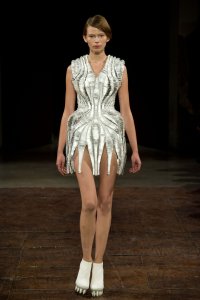
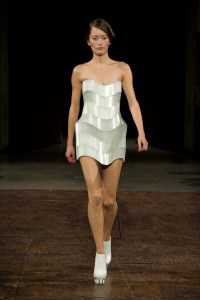
    • Iris van Herpen Micro collection couture design inspired by microorganisms, featuring microscopic patterns translated into sculptural garments.
    • Iris van Herpen Micro collection couture design inspired by microorganisms, featuring microscopic patterns translated into sculptural garments.
    • Iris van Herpen Micro collection couture design inspired by microorganisms, featuring microscopic patterns translated into sculptural garments.
    • Iris van Herpen Micro collection couture design inspired by microorganisms, featuring microscopic patterns translated into sculptural garments.
    • Iris van Herpen Micro collection couture design inspired by microorganisms, featuring microscopic patterns translated into sculptural garments.
    • Iris van Herpen Micro collection couture design inspired by microorganisms, featuring microscopic patterns translated into sculptural garments.
    • Iris van Herpen Micro collection couture design inspired by microorganisms, featuring microscopic patterns translated into sculptural garments.
    • Iris van Herpen Micro collection couture design inspired by microorganisms, featuring microscopic patterns translated into sculptural garments.
    • Iris van Herpen Micro collection couture design inspired by microorganisms, featuring microscopic patterns translated into sculptural garments.
    • Iris van Herpen Micro collection couture design inspired by microorganisms, featuring microscopic patterns translated into sculptural garments.

    Hybrid Show

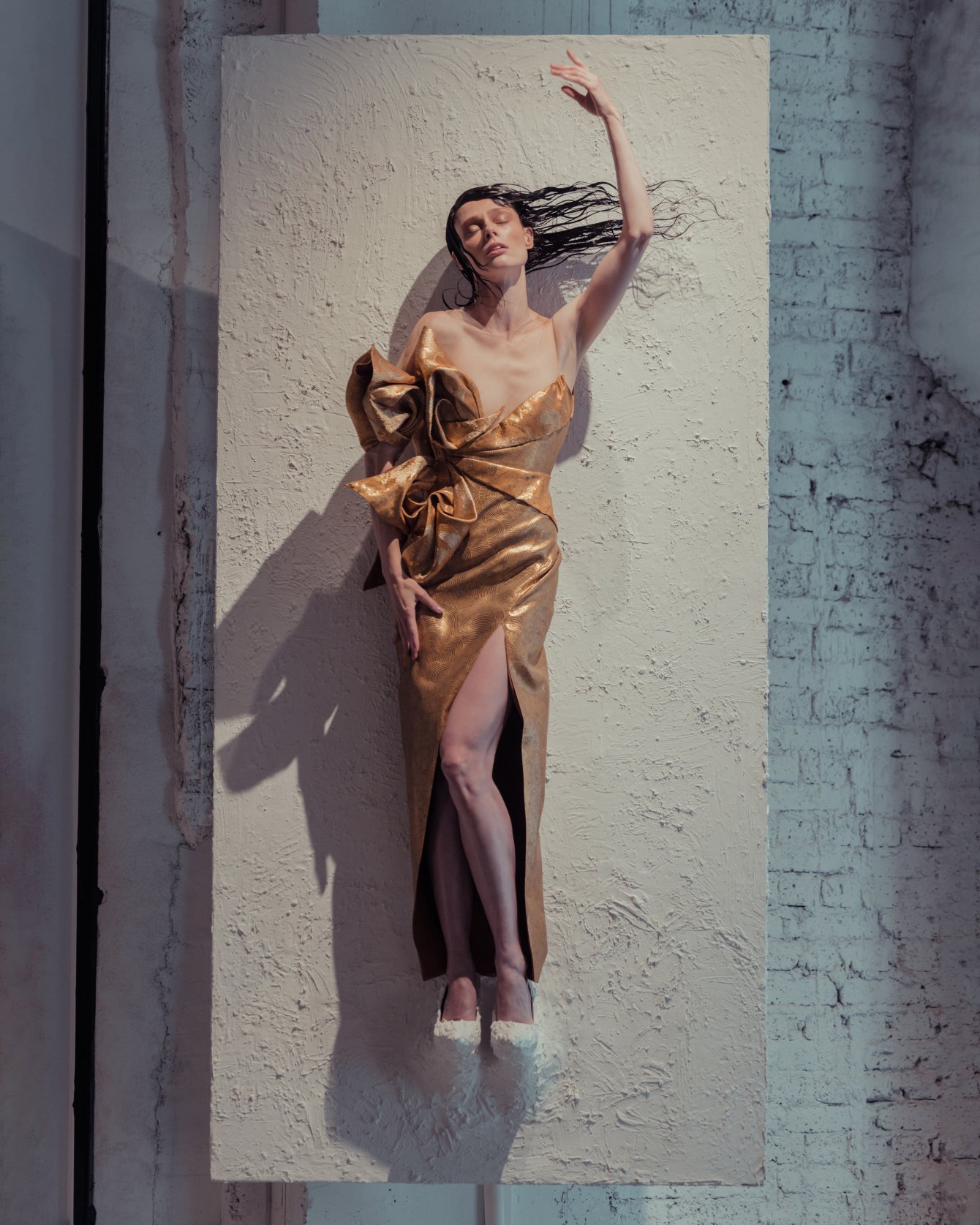
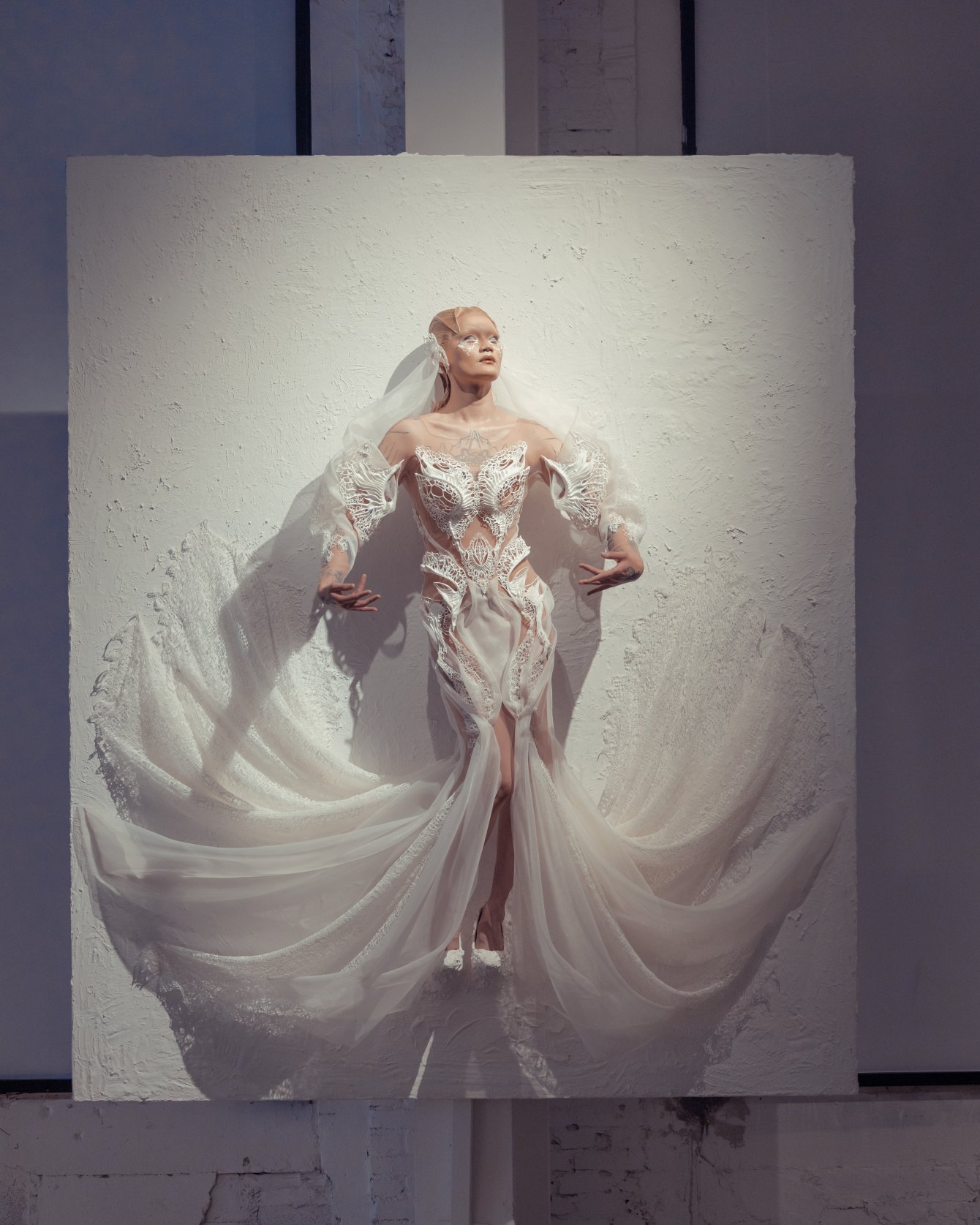
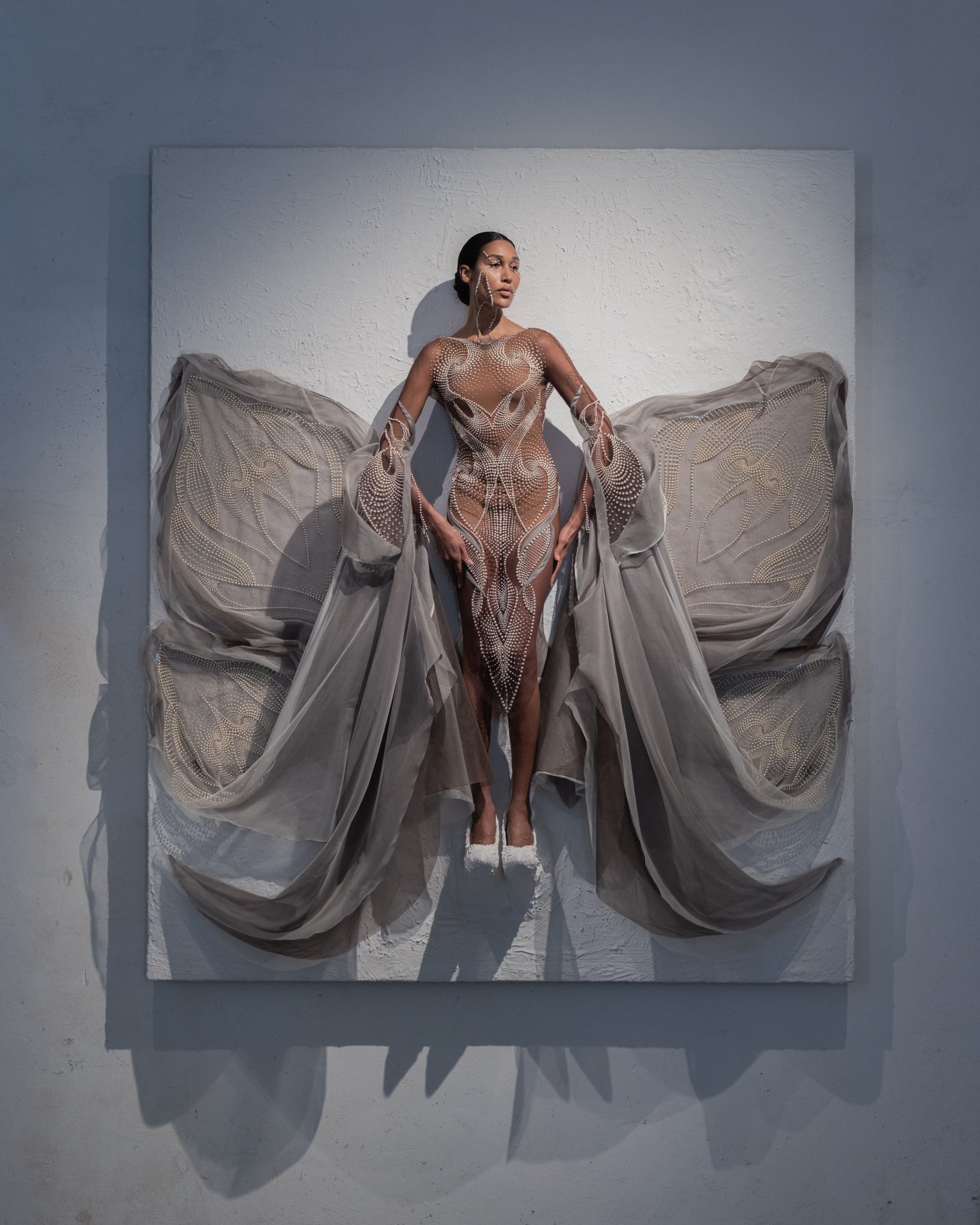
    Hybrid Show, part of the Fall/Winter 2024 Couture season, marks a performative turning point in fashion’s aesthetics.
    Here, haute couture merges with aerial installations, conceived not as a backdrop but as living protagonists.
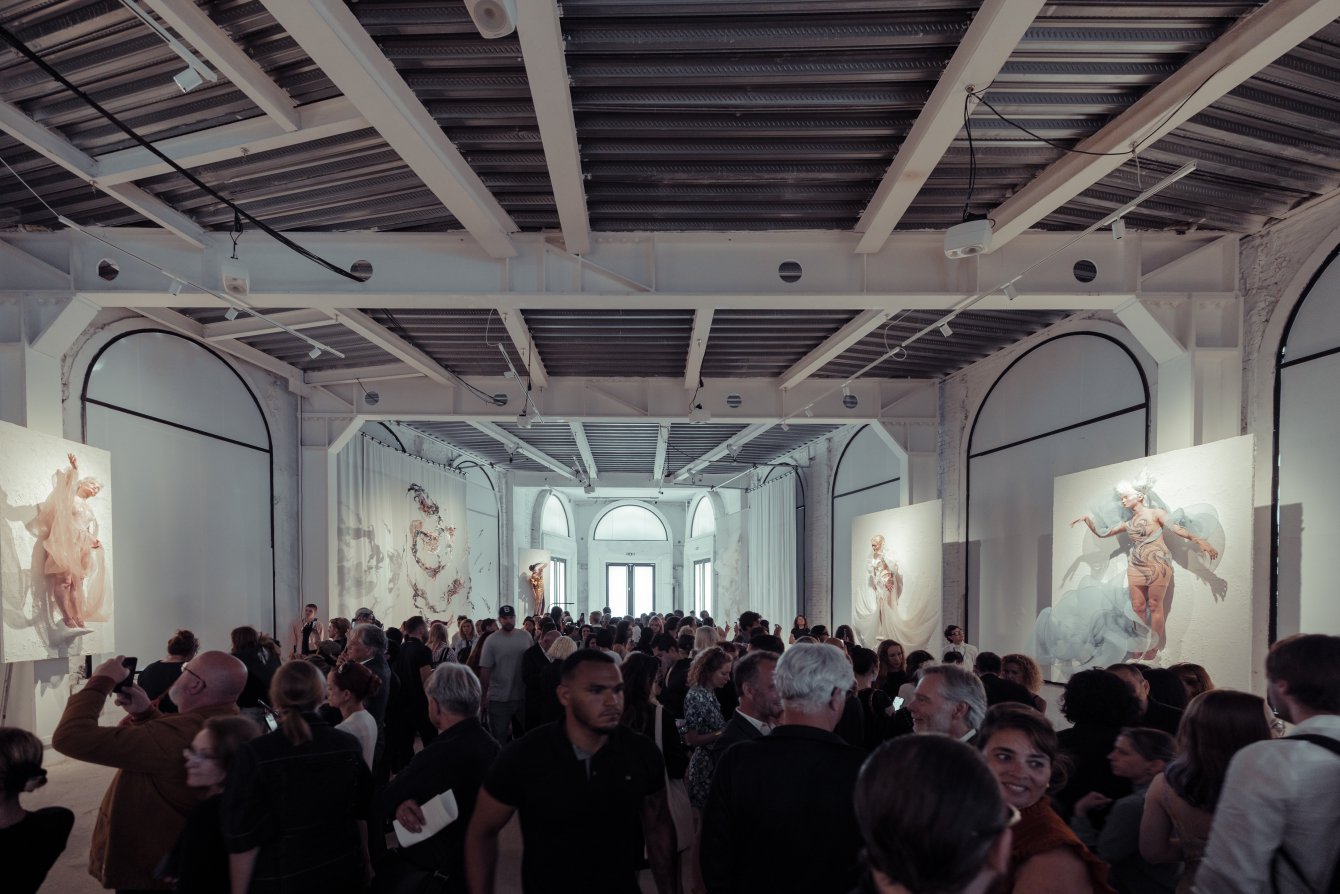
    Iris van Herpen Hybrid Show couture design exploring the fusion of human and digital identities, with sculptural silhouettes and fluid futuristic details.
    Image © Iris van Herpen

    Suspended glass wings, translucent tulles and gradient 3D-printed pearl structures hang from steel frameworks, evoking the tension between matter and air, movement and stillness.
    Presented during Paris Haute Couture Week, the show creates a space where garments and sculptures breathe together, proving that fashion, in Van Herpen’s vision, is not merely clothing but a living, plastic environment.
    Sympoiesis

    Following Hybrid Show, Sympoiesis debuted during the Autumn/Winter 2025-26 Haute Couture Week in Paris.
    This collection explores the osmotic relationship between humans, nature and technology. Its emblematic piece is the “living dress,” made with 125 million bioluminescent algae (Pyrocystis lunula) which respond to movement and light, glowing as if alive.
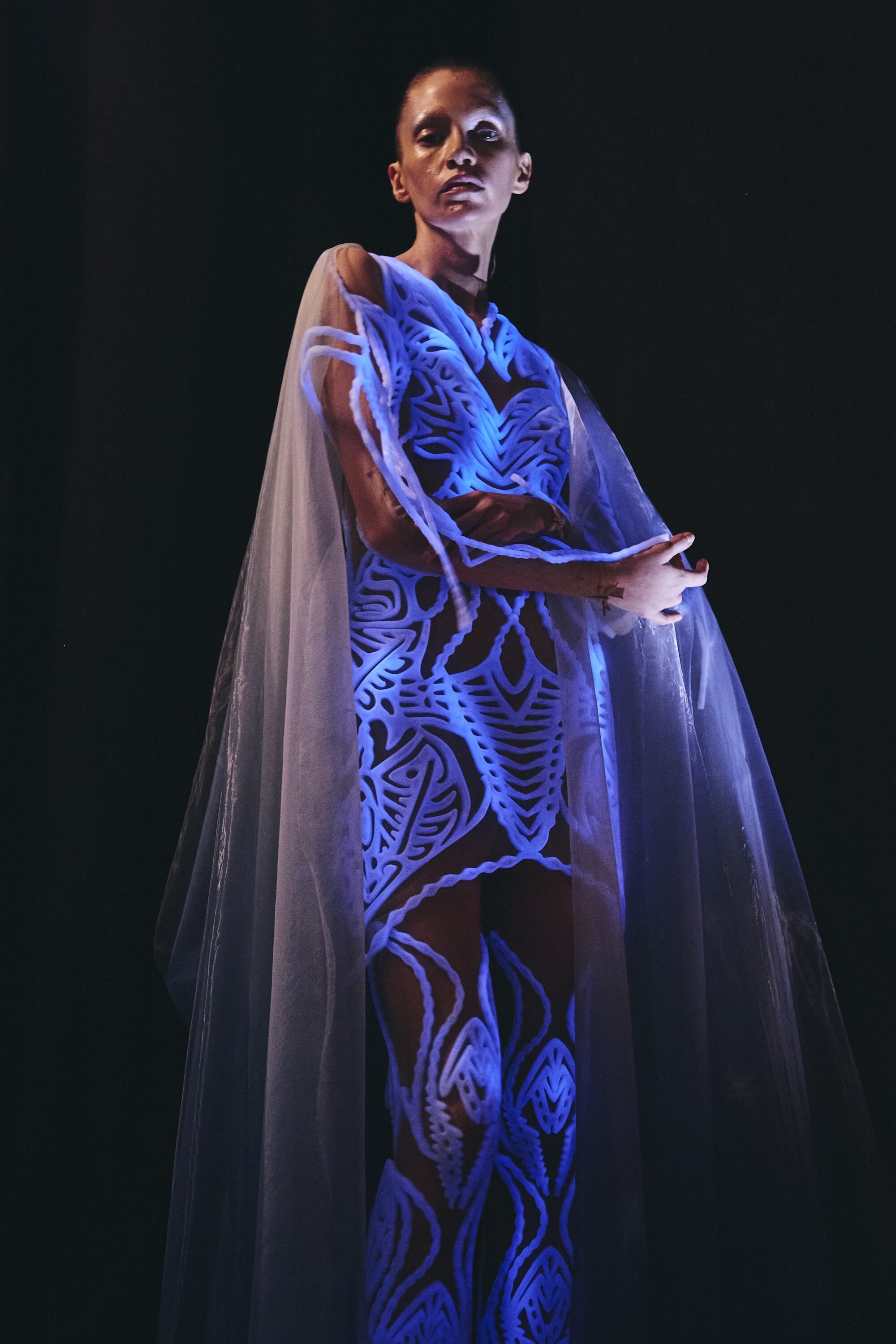
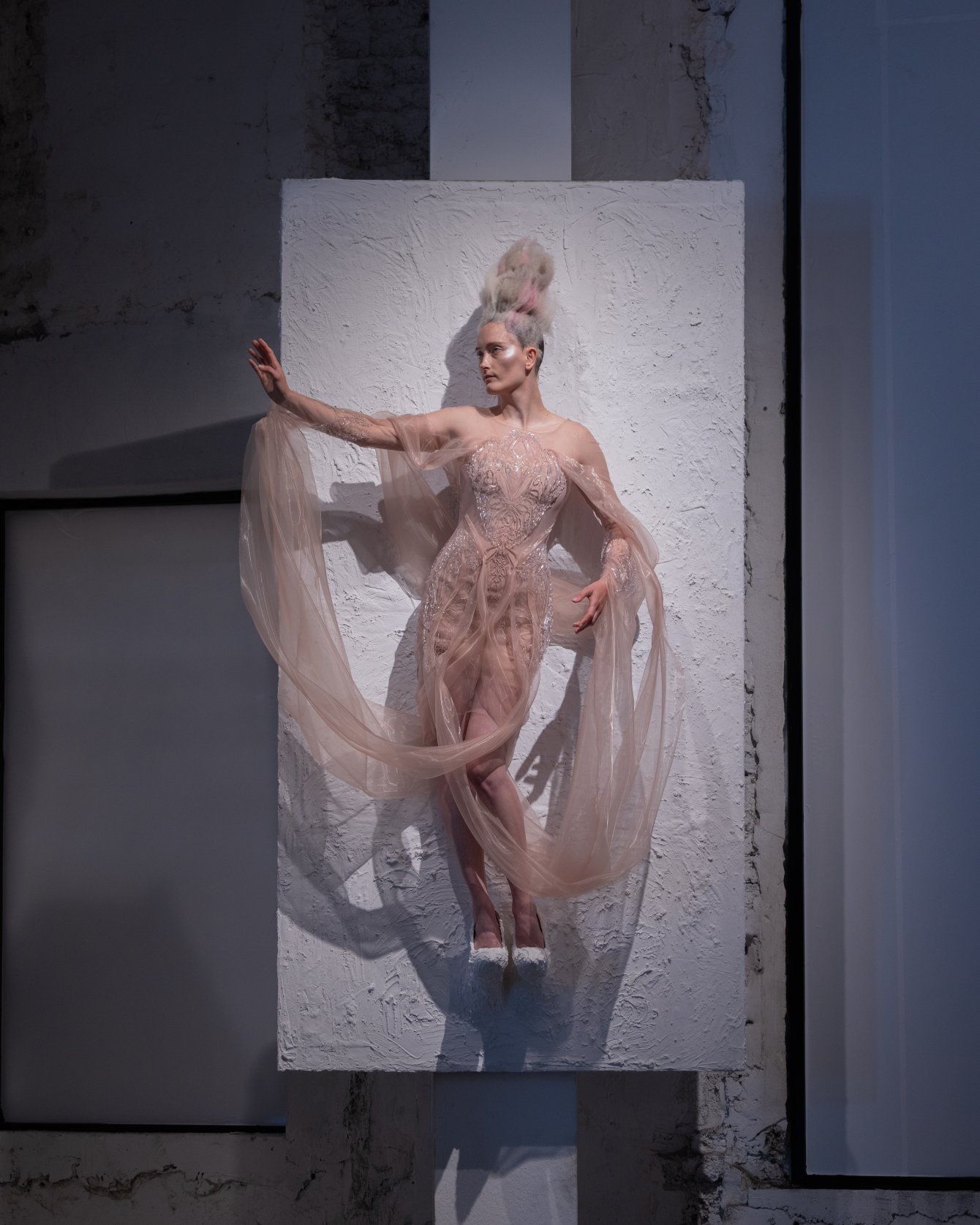
    Iris van Herpen Sympoiesis couture gown inspired by symbiosis and marine ecosystems, blending 3D-printed structures with flowing organic fabrics.
    Image © Iris van Herpen


    Collaborating with biodesigners such as Chris Bellamy, Van Herpen crafts materials that breathe and float, transforming couture into a living organism. Layered organza, experimental bio-fibers and acrylic meshes create silhouettes that feel both fluid and futuristic.
    Sympoiesis is a manifesto of symbiosis, an invitation to envision style as a conscious structure of meaning, capable of narrating the present and shaping the future.
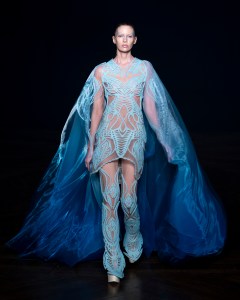
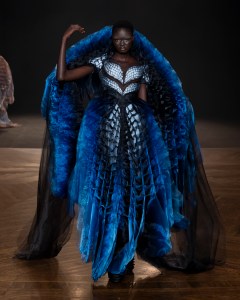
    Comforting yet cathartic, the designer never shies away from challenge or experimentation, urging us to do the same: to wander beyond the visible, to shape even the most delicate carvings into sculptures of meaning, to remember that learning is an endless journey.

  • Iris van Herpen: quando alta tecnologia e scienza incontrano la moda

    Iris van Herpen: quando alta tecnologia e scienza incontrano la moda

    Dal laser cut alla stampa 3D, dalla tessitura elettromagnetica all’impiego di silicone e metalli. Cosa accade quando alta tecnologia e scienza incontrano la moda? La stilista olandese Iris van Herpen svela la risposta. Traendo ispirazione da chimica, fisica, biologia e paleontologia, l’idea che la moda possa essere mossa dalla natura viene spinta oltre le aspettative. “La moda è uno strumento di cambiamento, capace di smuoverci emotivamente. Attraverso la biomimesi guardo alle forze che danno forma alla natura, questi pattern e cicli naturali mi guidano nell’esplorazione di nuove forme di femminilità per una moda più consapevole e sostenibile per il futuro“. L’universo di Iris van Herpen si costella di innovazione e ricerca.

    Radici creative

    Pur senza una formazione accademica specialistica in scienze o tecnologia, la creativa si è affermata come pioniera nella trasformazione stilistica, perfezionando il proprio lavoro grazie a collaborazioni con specialisti e attraverso uno studio meticoloso. Ricorda il primo contatto che ha acceso la scintilla, durante un viaggio al CERN nel 2014. Ammirare il Large Hadron Collider la colpì in un modo del tutto inedito. L’acceleratore di particelle, collocato in un tunnel, esercita un campo magnetico circa centomila volte più potente di quello terrestre. Innumerevoli magneti e dispositivi elettronici sono collegati da cavi dai colori diversificati e da strutture metalliche a tinte vivaci. Le sembrò la cosa più bella che avesse mai visto.
    Al New Yorker ammette:

    Era incredibile pensare che fossero state delle persone a costruirlo: con la sua complessità e al tempo stesso semplicità. La costruzione sembra un grande puzzle, un enorme Lego. È molto semplice nei materiali, ma ciò che indaga è così complesso“,

    descrivendolo come semplicemente “ipnotico“.

    Magnetic Motion

    L’anno seguente raccoglie informazioni per dare vita ad una nuova collezione, intitolata Magnetic Motion, e realizzata sfruttando rete acrilica tagliata al laser, adagiata intorno ai corpi delle modelle. Immediatamente, un campo di forza si apre allo sguardo. Per la stessa collezione, collabora con il designer olandese Jólan van der Wiel, con il quale progetta scarpe in resina mescolata a limatura di ferro; mentre il materiale è ancora fuso, viene sottoposto a forze magnetiche che ne deformano la superficie, immergendo la materia suo stesso concetto. Da lì in poi, una varietà di astrazioni ha preso forma nelle sue collezioni più recenti, ritratti di grazia e maniacale attenzione ai dettagli.

    Image © Iris van Herpen

    Con riferimenti a discipline diverse e ispirazioni multilivello provenienti da alcune tra le menti più brillanti del panorama artistico contemporaneo, e non solo, i seguenti esempi (presentati senza ordine cronologico, fatta eccezione per gli ultimi due paragrafi che raccontano le collezioni AW24 e AW25) restituiscono un’idea di ciò di cui stiamo parlando.


    Sensory Seas

    Per cominciare, la collezione Sensory Seas. Immagina di sollevare uno specchio e guardare attraverso le sinapsi della tua mente. Poi, più a fondo, scorgere un frammento dell’ecologia fibrosa degli oceani. Lo spagnolo Ramón y Cajal, padre della neuroscienza moderna, è l’ispirazione per questo progetto. Negli ultimi anni del XIX secolo, Cajal propose delle scoperte destinate a cambiare per sempre il modo di studiare e concepire il cervello. La sua teoria, accettata da molti ma dimostrata solo negli anni ’50, spiegava come i neuroni restino in contatto senza toccarsi, comunicando attraverso infinitesimali spazi, detti fessure sinaptiche.

    Esplorando il sistema nervoso centrale nei minimi dettagli, Cajal documentò il tutto attraverso disegni anatomici, oggi considerati tra le più rilevanti illustrazioni scientifiche al mondo. Perciò, dalla fusione di scienza e arte, portò alla luce i fili della nostra biologia, intrecciati su piccoli taccuini e descritti da combinazioni di inchiostro e grafite. Il risultato evoca uno spettacolare filo invisibile che unisce la struttura della mente a quella di un organismo marino, o un albero.

    Sensory Seas pone sotto il microscopio le sfumature indelebili tra l’antropologia di un organismo marino e il ruolo di dendriti e sinapsi nel trasmettere infiniti segnali attraverso i nostri corpi. Incanta l’attenzione su come due processi di comunicazione torrenziale esistano in uno stato di flusso ininterrotto

    (dalla descrizione ufficiale di Iris van Herpen).

    • Iris van Herpen Sensory Seas couture gown inspired by neuroscience and marine ecology, featuring fluid lines that echo synapses and ocean fibers.
    • Iris van Herpen Sensory Seas couture gown inspired by neuroscience and marine ecology, featuring fluid lines that echo synapses and ocean fibers.
    • Iris van Herpen Sensory Seas couture gown inspired by neuroscience and marine ecology, featuring fluid lines that echo synapses and ocean fibers.
    • Iris van Herpen Sensory Seas couture gown inspired by neuroscience and marine ecology, featuring fluid lines that echo synapses and ocean fibers.
    • Iris van Herpen Sensory Seas couture gown inspired by neuroscience and marine ecology, featuring fluid lines that echo synapses and ocean fibers.
    • Iris van Herpen Sensory Seas couture gown inspired by neuroscience and marine ecology, featuring fluid lines that echo synapses and ocean fibers.
    • Iris van Herpen Sensory Seas couture gown inspired by neuroscience and marine ecology, featuring fluid lines that echo synapses and ocean fibers.
    • Iris van Herpen Sensory Seas couture gown inspired by neuroscience and marine ecology, featuring fluid lines that echo synapses and ocean fibers.
    • Iris van Herpen Sensory Seas couture gown inspired by neuroscience and marine ecology, featuring fluid lines that echo synapses and ocean fibers.
    • Iris van Herpen Sensory Seas couture gown inspired by neuroscience and marine ecology, featuring fluid lines that echo synapses and ocean fibers.

    Syntopia

    La seconda collezione che presentiamo mette in luce la maestria con cui la designer riesce ad elaborare la dimensione spaziale. I collaboratori di questo progetto sono Lonneke Gordijn e Ralph Nauta di Studio Drift, specializzati in sculture coreografate e installazioni cinetiche, con l’obiettivo di ristabilire rappresentativamente il legame tra l’uomo e la terra. Per la sfilata, Studio Drift ha creato un’installazione cinetica In 20 steps, composta da 20 delicatissime ali di vetro per rappresentare le diverse fasi del volo.

    “L’uccello di vetro, vivace, fluisce in simbiosi con le modelle mentre sfilano in passerella, e la loro delicata interazione enfatizza la fragilità di nuovi mondi che vivono e si librano insieme”.

    E questa dedizione si lega ad un passaggio biografico fondamentale per l’ideatrice:

    Da ex ballerina, la trasformazione nel movimento mi ha sempre ipnotizzata. Per questa collezione ho osservato da vicino i dettagli minuziosi del volo degli uccelli e le forme complesse che riecheggiano nel loro moto”,

    racconta Van Herpen.

    Foto © Iris van Herpen

    Per tradurre questa preziosa idea nel tessuto, la collezione si affida a una delle più antiche tecniche artigianali: la tessitura. Qui, la tessitura tradizionale si unisce a un design digitale all’avanguardia per creare una serie di cappotti e abiti “synthopic” in lana tagliata al laser, intrecciata con pelle tramite la creazione di file parametrici. L’organza di seta trasparente è pieghettata e rivestita a effetto liquido, con pieghe sovrapposte in varie direzioni, così da rallentarne il movimento, richiamando le linee di vetro dell’installazione cinetica. Nel frattempo, la tecnica Inside a Second traduce l’arte di Studio Drift e le linee cronofotografiche del volo degli uccelli in migliaia di strati di organza bicolore tagliati al laser e saldati a caldo con mylar e cotone, quindi drappeggiati come fossero un moto in time-lapse. I mini corsetti Mimesis sono realizzati da pattern sonori volatili, intagliati in mylar, cotone nero, organza rossa e fogli acrilici nero-trasparenti, stratificando seta e acrilico per imitare l’architettura delle piume.

    • Iris van Herpen Syntopia collection dress inspired by bird flight and kinetic installations, crafted with laser-cut organza and intricate weaving.
    • Iris van Herpen Syntopia collection dress inspired by bird flight and kinetic installations, crafted with laser-cut organza and intricate weaving.
    • Iris van Herpen Syntopia collection dress inspired by bird flight and kinetic installations, crafted with laser-cut organza and intricate weaving.
    • Iris van Herpen Syntopia collection dress inspired by bird flight and kinetic installations, crafted with laser-cut organza and intricate weaving.
    • Iris van Herpen Syntopia collection dress inspired by bird flight and kinetic installations, crafted with laser-cut organza and intricate weaving.
    • Iris van Herpen Syntopia collection dress inspired by bird flight and kinetic installations, crafted with laser-cut organza and intricate weaving.

    Seijaku

    Seijaku è la parola e il concetto giapponese che indicano la capacità di trovare serenità nel caos della vita.
    Anche in questo viaggio sensoriale non poteva mancare il potere rigenerante del suono, come primo esperimento cronologicamente anticipatorio della collezione appena presentata.
    Iris van Herpen esplora la cimatica, disciplina che visualizza le onde di suono come pattern geometrici. Più alta è la frequenza dell’onda, più complessi sono i disegni visibili. Inoltre, per offrire un’esperienza di armoniosa continuità tra sfilata e concetto, Van Herpen ha collaborato con il musicista giapponese Kazuya Nagaya, creatore di composizioni immersive e rituali meditativi grazie a campane di bronzo, gong e ciotole tibetane. L’artista si è esibito dal vivo durante la sfilata all’Oratoire du Louvre, ambiente scelto appositamente per l’acustica eccezionale.

    Iris van Herpen Seijaku couture creation inspired by cymatics and sound waves, with hand-blown glass bubbles coated in silicone forming bioluminescent patterns.
    Image © Iris van Herpen

    La collezione si decora di forme circolari e pattern geometrici, un’ rinnovato invito alla sperimentazione. Come? Rivestendo le linee del corpo con migliaia di bolle di vetro soffiato a mano in silicone trasparente: un prisma bioluminescente attorno al corpo.

    • Iris van Herpen Seijaku couture creation inspired by cymatics and sound waves, with hand-blown glass bubbles coated in silicone forming bioluminescent patterns.
    • Iris van Herpen Seijaku couture creation inspired by cymatics and sound waves, with hand-blown glass bubbles coated in silicone forming bioluminescent patterns.
    • Iris van Herpen Seijaku couture creation inspired by cymatics and sound waves, with hand-blown glass bubbles coated in silicone forming bioluminescent patterns.
    • Iris van Herpen Seijaku couture creation inspired by cymatics and sound waves, with hand-blown glass bubbles coated in silicone forming bioluminescent patterns.
    • Iris van Herpen Seijaku couture creation inspired by cymatics and sound waves, with hand-blown glass bubbles coated in silicone forming bioluminescent patterns.
    • Iris van Herpen Seijaku couture creation inspired by cymatics and sound waves, with hand-blown glass bubbles coated in silicone forming bioluminescent patterns.

    Micro

    Certamente, per non dimenticare l’impronta microbiologica nell’ispirazione della designer, uno sguardo va riservato alla collezione Micro, tanto peculiare quanto affascinante.
    Qui la designer ha zoomato sul mondo dei microrganismi, ispirandosi al lavoro scrupoloso di Steve Gschmeissner, uno dei principali microscopisti al mondo. Van Herpen ha dichiarato di essere affascinata dal fatto che i microbi siano così vicini a noi, e che, nonostante questo, ne sappiamo così poco. Questo paradosso, potremmo dire, si allontana davvero così tanto dal paradosso della scoperta personale?

    Così, questo progetto costruisce un ponte tra il nostro mondo e il piccolo ma complesso mondo intorno a noi, affatto remoto eppure così misterioso. Per rendersene conto basta osservare alcuni dettagli della collezione.

    • Iris van Herpen Micro collection couture design inspired by microorganisms, featuring microscopic patterns translated into sculptural garments.
    • Iris van Herpen Micro collection couture design inspired by microorganisms, featuring microscopic patterns translated into sculptural garments.
    • Iris van Herpen Micro collection couture design inspired by microorganisms, featuring microscopic patterns translated into sculptural garments.
    • Iris van Herpen Micro collection couture design inspired by microorganisms, featuring microscopic patterns translated into sculptural garments.
    • Iris van Herpen Micro collection couture design inspired by microorganisms, featuring microscopic patterns translated into sculptural garments.
    • Iris van Herpen Micro collection couture design inspired by microorganisms, featuring microscopic patterns translated into sculptural garments.
    • Iris van Herpen Micro collection couture design inspired by microorganisms, featuring microscopic patterns translated into sculptural garments.
    • Iris van Herpen Micro collection couture design inspired by microorganisms, featuring microscopic patterns translated into sculptural garments.
    • Iris van Herpen Micro collection couture design inspired by microorganisms, featuring microscopic patterns translated into sculptural garments.
    • Iris van Herpen Micro collection couture design inspired by microorganisms, featuring microscopic patterns translated into sculptural garments.

    Hybrid Show

    Hybrid Show, presentata per la stagione Autunno/Inverno 2024 Couture, segna una svolta performativa nell’estetica di Iris van Herpen.
    Qui, l’haute couture si fonde con installazioni aeree concepite non come semplice scenografia, ma come protagoniste vive. Ali di vetro sospese, tulle traslucidi e strutture perlate stampate in 3D pendono da telai in acciaio, evocando la tensione tra materia e aria, movimento e quiete.
    Presentata durante la Paris Haute Couture Week, la sfilata crea uno spazio in cui abiti e sculture respirano insieme, dimostrando che la moda, nella visione di Van Herpen, non è mero indumento ma luogo vivente e plastico.

    • Iris van Herpen Hybrid Show couture design exploring the fusion of human and digital identities, with sculptural silhouettes and fluid futuristic details.
    • Iris van Herpen Hybrid Show couture design exploring the fusion of human and digital identities, with sculptural silhouettes and fluid futuristic details.
    • Iris van Herpen Hybrid Show couture design exploring the fusion of human and digital identities, with sculptural silhouettes and fluid futuristic details.
    • Iris van Herpen Hybrid Show couture design exploring the fusion of human and digital identities, with sculptural silhouettes and fluid futuristic details.

    Sympoiesis

    A chiudere, Sympoiesis, presentata durante la Haute Couture Week 2025 per la stagione Autunno/Inverno 2025-26.
    Questa esplora la relazione osmotica tra esseri umani, natura e tecnologia. Il suo pezzo emblematico è il “living dress”, realizzato con 125 milioni di alghe bioluminescenti (Pyrocystis lunula) che reagiscono al movimento e alla luce, illuminandosi come un organismo vivo.

    Iris van Herpen Sympoiesis couture gown inspired by symbiosis and marine ecosystems, blending 3D-printed structures with flowing organic fabrics.
    Image © Iris van Herpen


    Collaborando con biodesigner come Chris Bellamy, Van Herpen crea materiali che respirano e fluttuano, trasformando la moda in biologia dinamica. Strati di organza, biofibre sperimentali e reti acriliche modellano silhouette fluide e futuristiche.
    Sympoiesis è un manifesto di simbiosi, un invito a immaginare lo stile come un struttura di significato consapevole, capace di raccontare il presente e di disegnare il futuro.

    • Iris van Herpen Sympoiesis couture gown inspired by symbiosis and marine ecosystems, blending 3D-printed structures with flowing organic fabrics.
    • Iris van Herpen Sympoiesis couture gown inspired by symbiosis and marine ecosystems, blending 3D-printed structures with flowing organic fabrics.
    • Iris van Herpen Sympoiesis couture gown inspired by symbiosis and marine ecosystems, blending 3D-printed structures with flowing organic fabrics.
    • Iris van Herpen Sympoiesis couture gown inspired by symbiosis and marine ecosystems, blending 3D-printed structures with flowing organic fabrics.
    • Iris van Herpen Sympoiesis couture gown inspired by symbiosis and marine ecosystems, blending 3D-printed structures with flowing organic fabrics.
    • Iris van Herpen Sympoiesis couture gown inspired by symbiosis and marine ecosystems, blending 3D-printed structures with flowing organic fabrics.
    • Iris van Herpen Sympoiesis couture gown inspired by symbiosis and marine ecosystems, blending 3D-printed structures with flowing organic fabrics.
    • Iris van Herpen Sympoiesis couture gown inspired by symbiosis and marine ecosystems, blending 3D-printed structures with flowing organic fabrics.

    Consolatoria e catartica al tempo stesso, la designer non si sottrae alla sfida e alla sperimentazione, ispirandoci a fare altrettanto: cercare ciò che va oltre il visibile, modellare anche i più delicati intagli in sculture di senso, ricordare che l’apprendimento è un viaggio senza fine.