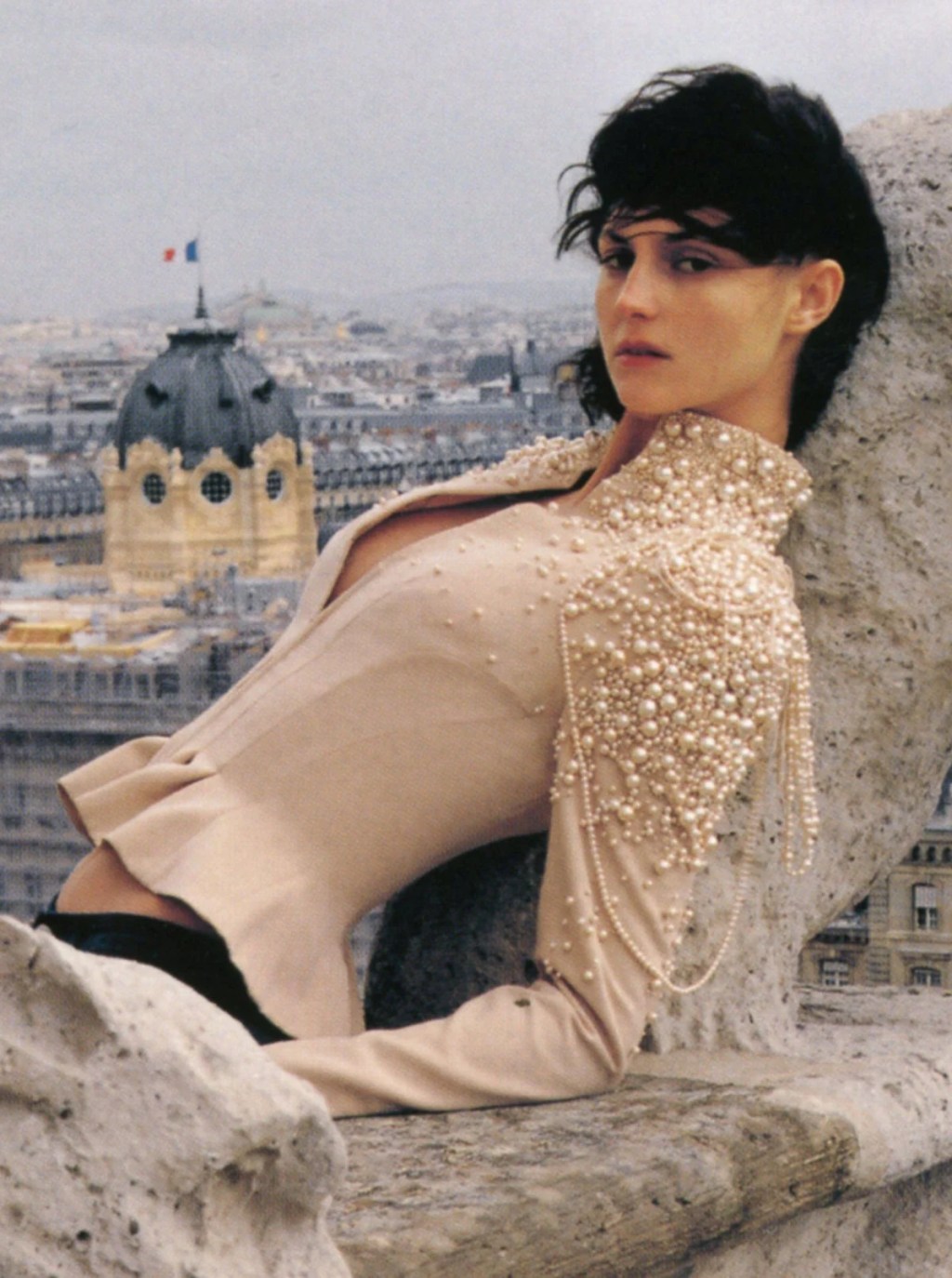
Founded in 1952 by the visionary Gaby Aghion, the brand pioneered luxury prêt-à-porter and, over the years, established itself as a model of romantic, sophisticated, yet rock-inspired and independent femininity.
With the ambition of shaping a new idea of womanhood, Gaby Aghion founded the Chloé fashion house in 1952. The maison—named after one of her friends—marked a turning point in fashion history, bringing prêt-à-porter to the runway for the very first time. Aghion’s vision was to create a line of clothing for career women who could not afford haute couture but refused to renounce style and elegance, with silhouettes that broke away from the rigidity of 1950s designs.
«She wanted clothes in which women could live and work. She saw women as we see them today, but it was the 1950s and there were few working women. She had a perception of women that was very different from the prevailing vision of that time»
recalled her son Philippe Aghion.
From this vision came the first collection, presented in 1957 at the Café de Flore.
Beginnings: from the Early Days to Lagerfeld
From its debut, the brand experienced a steady rise in popularity, driven in part, but not solely, by the strategic decision to keep the garment labels clearly visible in boutiques. A decisive moment in the house’s development came with the arrival of Karl Lagerfeld as creative director in 1964. The designer remained at the helm of Chloé until 1984, and over those two decades the brand played a leading role in defining the signature lines of 1970s fashion. Experimenting with shapes and textures and favoring light dresses in lace and silk, Lagerfeld helped craft a vision of femininity that was soft, independent, romantic, and sophisticated, shaping the often called “boho-chic” soul of Chloé. The brand’s prestige during this era was evident in its clientele, which included Jackie Kennedy, Brigitte Bardot, Maria Callas, and Grace Kelly.
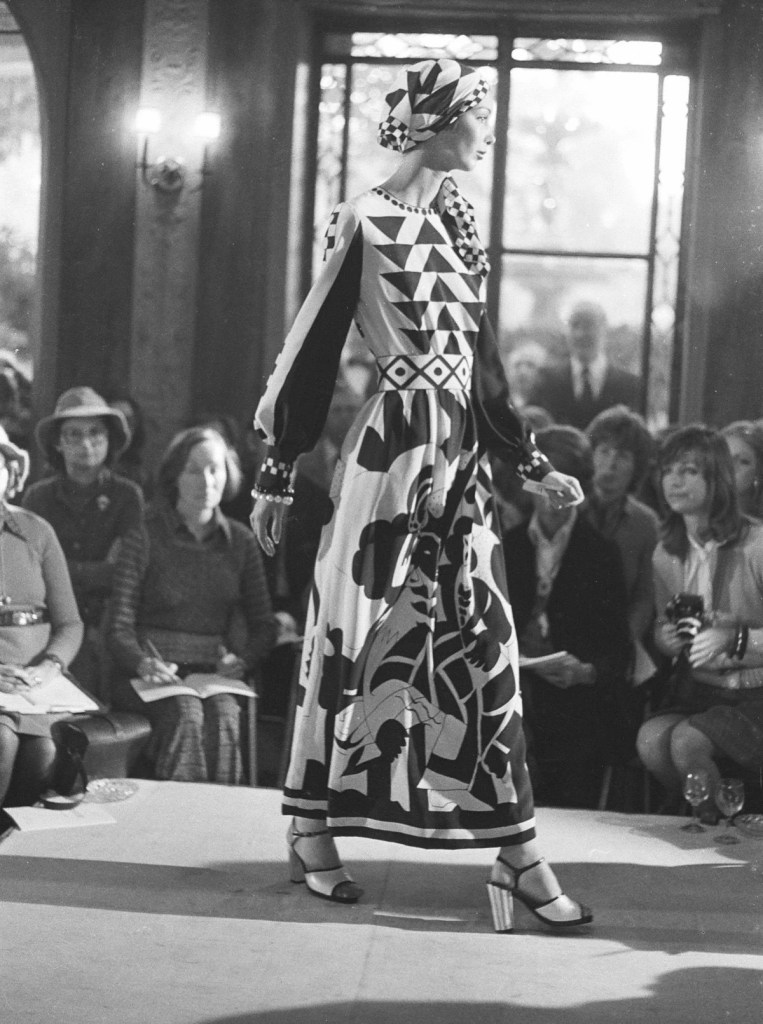
of 70s aesthetic. © Chloé
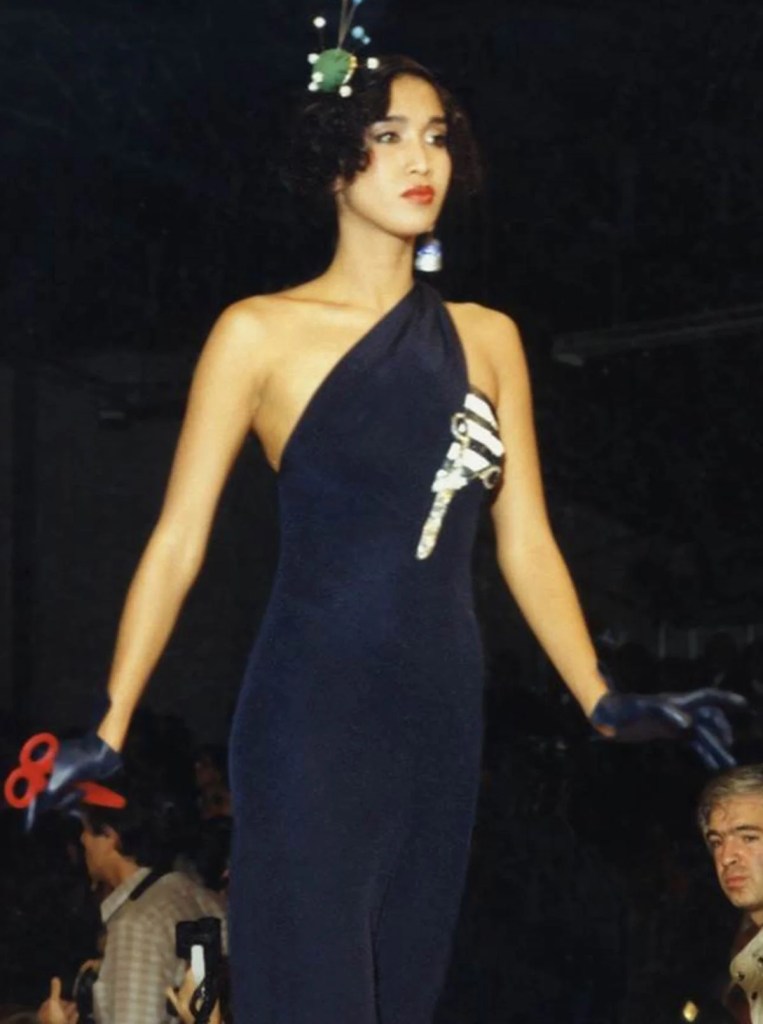
A New Life with Stella
After Lagerfeld’s move to Chanel, the maison went through a challenging period and was sold to the Dunhill Holding P.L.C., now the Richemont Group. Chloé’s resurgence came in 1987 with the arrival of a then-25-year-old Stella McCartney. The designer infused the brand’s identity with a cooler, rock-tinged, and more sensual touch. Under her creative direction, the label hit the red carpets and became a favorite among the most fashionable celebrities of the moment, from Kate Moss to the Beatles.
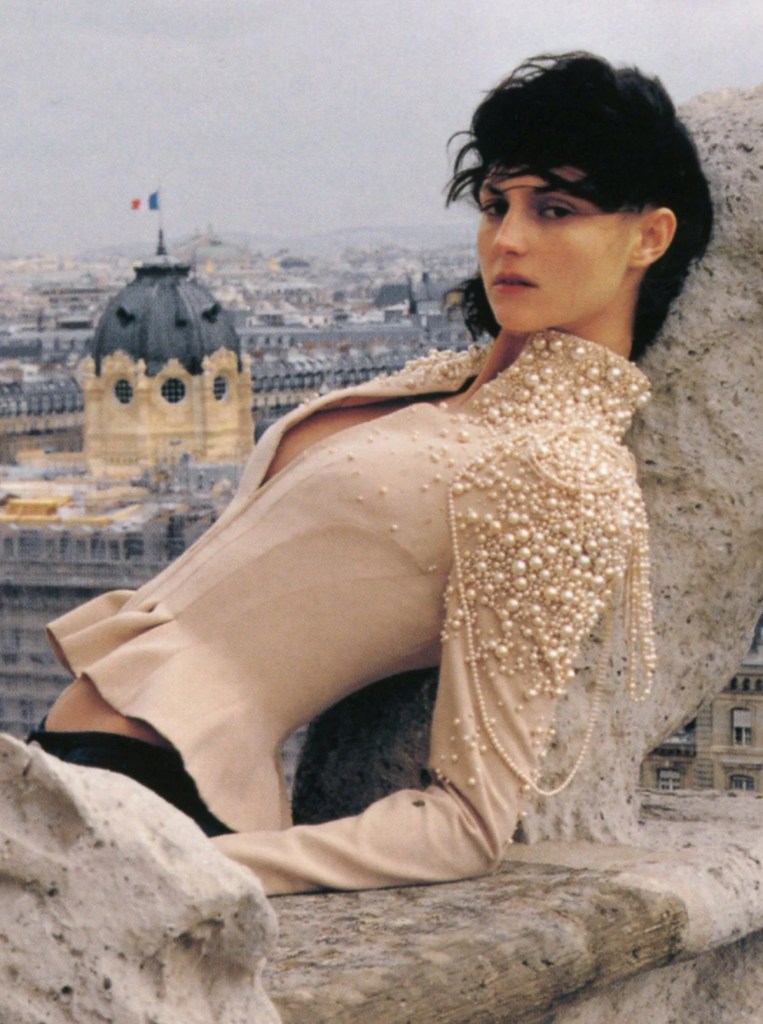
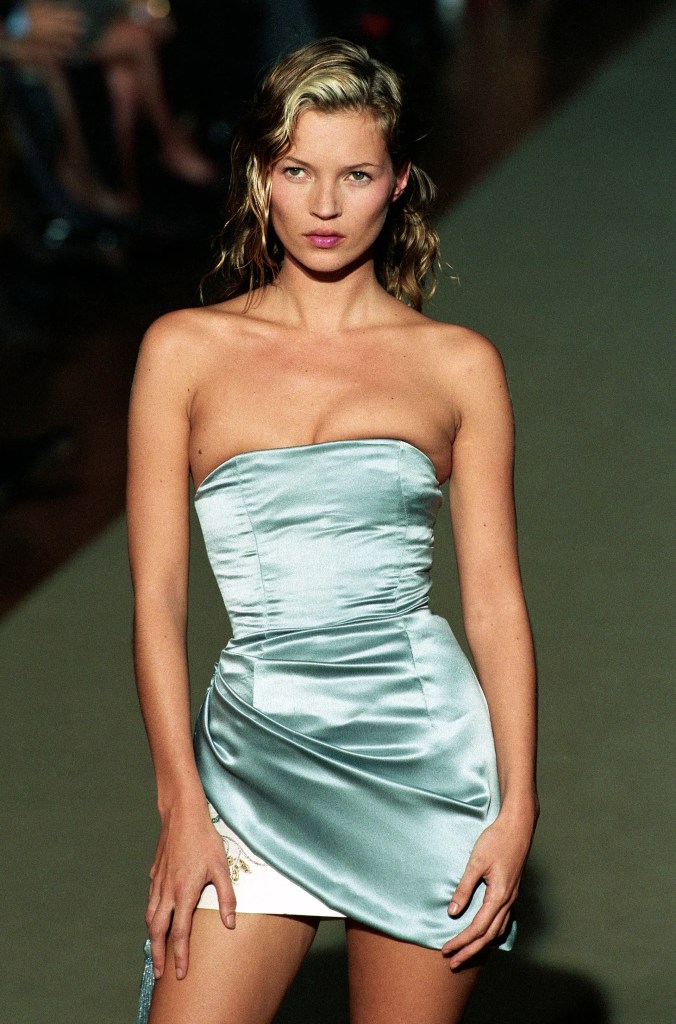
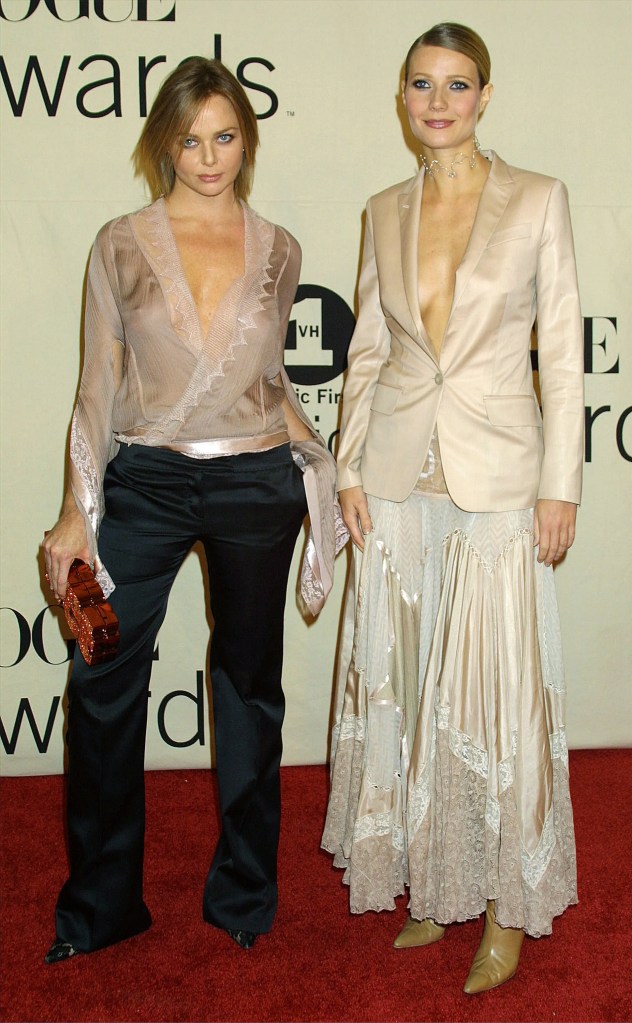
at the VH1/Vogue Fashion Awards. © British Vogue
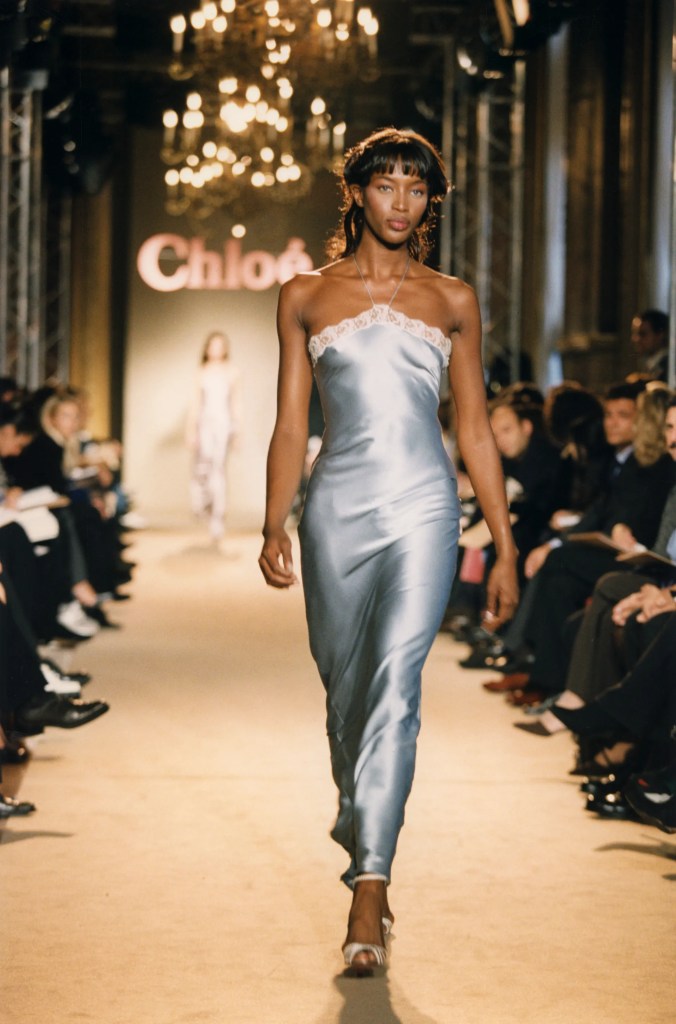
The blend of Parisian elegance and English charm continued to flourish in the following years, with British creative directors taking the helm. Phoebe Philo’s former protégé Hannah MacGibbon arrived in 2006, carrying forward a vision defined by softness and refinement, followed in 2011 by Clare Waight Keller, whose collections stood out for their polish and ease.
In the brand’s more recent history — after the passing of founder Gaby Aghion in 2014 — its signature feminine sophistication has embraced the influences of timely and deeply felt issues. French designer Natacha Ramsay-Levi, creative director from 2014, brought in inspirations from the worlds of art and activism, creating a line of T-shirts emblazoned with feminist slogans. In 2021, Gabriela Hearst took the reins, focusing strongly on sustainability: she introduced the use of leftover materials from previous collections, favored linen over cotton, and incorporated vegan leather.
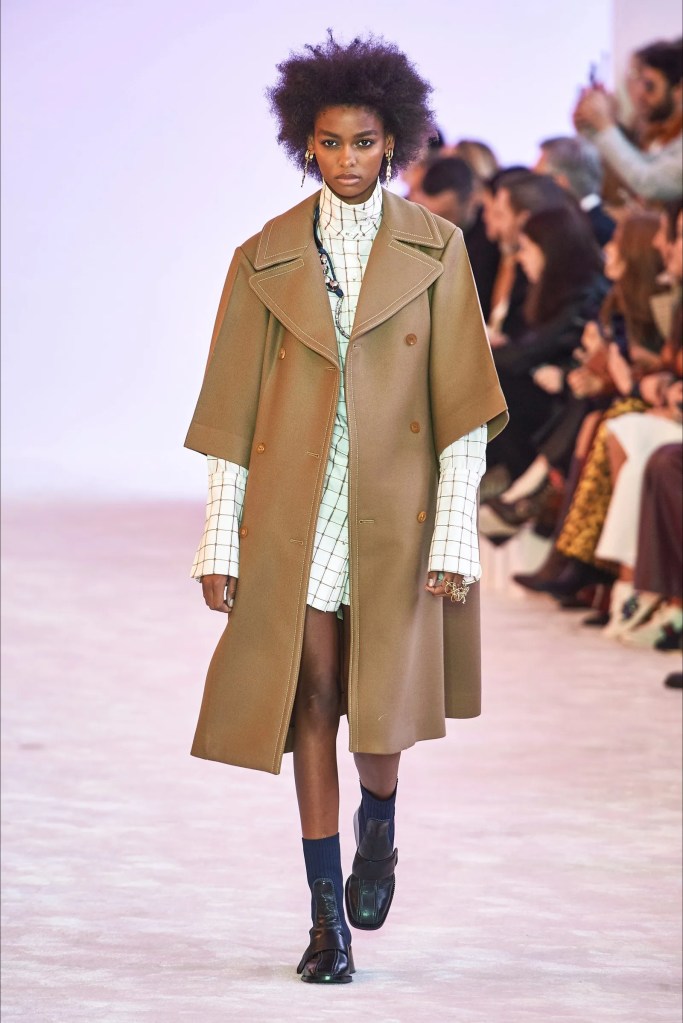
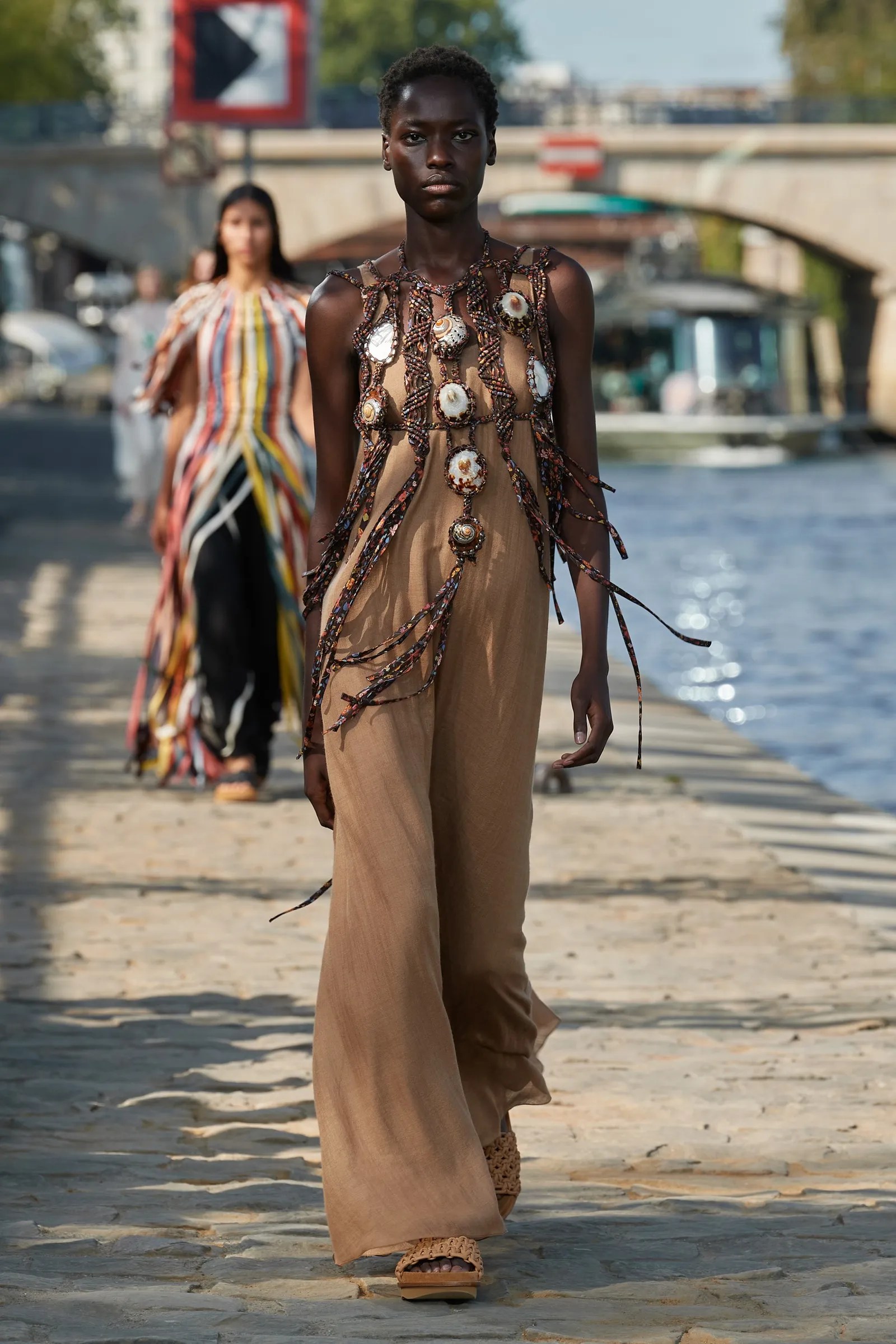
“Chloé Craft line, Chloé Spring/Summer 2022. © Vogue Italia
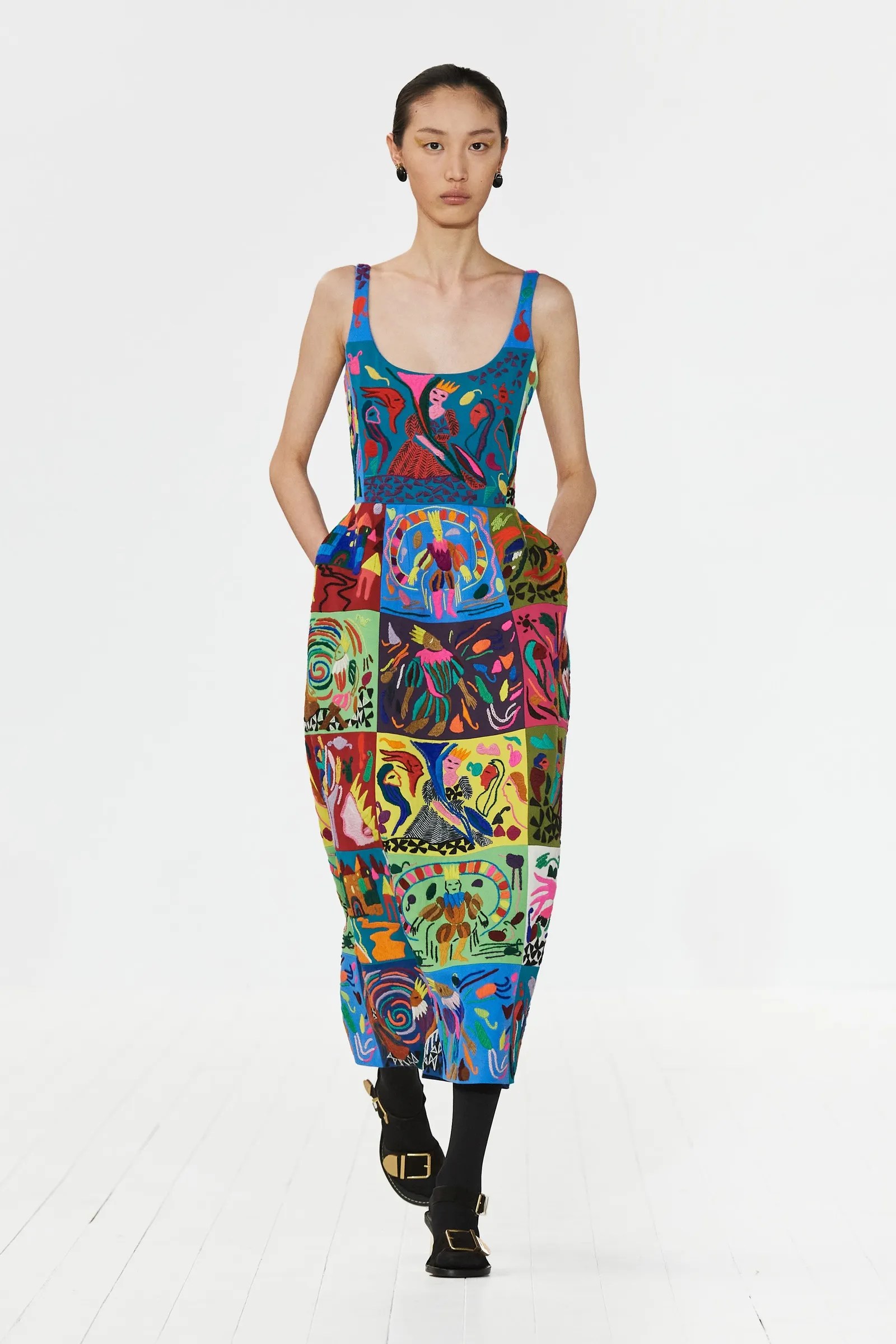
Return to Essence
Today, Chloé is led by Chemena Kamali, who started her fashion career right here. The designer has maintained continuity with the brand’s characteristic bohemian and carefree femininity, without sacrificing a more decisive and captivating touch. Her intent is to «bring the fashion house back to its essence», as demonstrated by references to 1970s aesthetics, the softness of slip dresses and the use of lightweight fabrics.
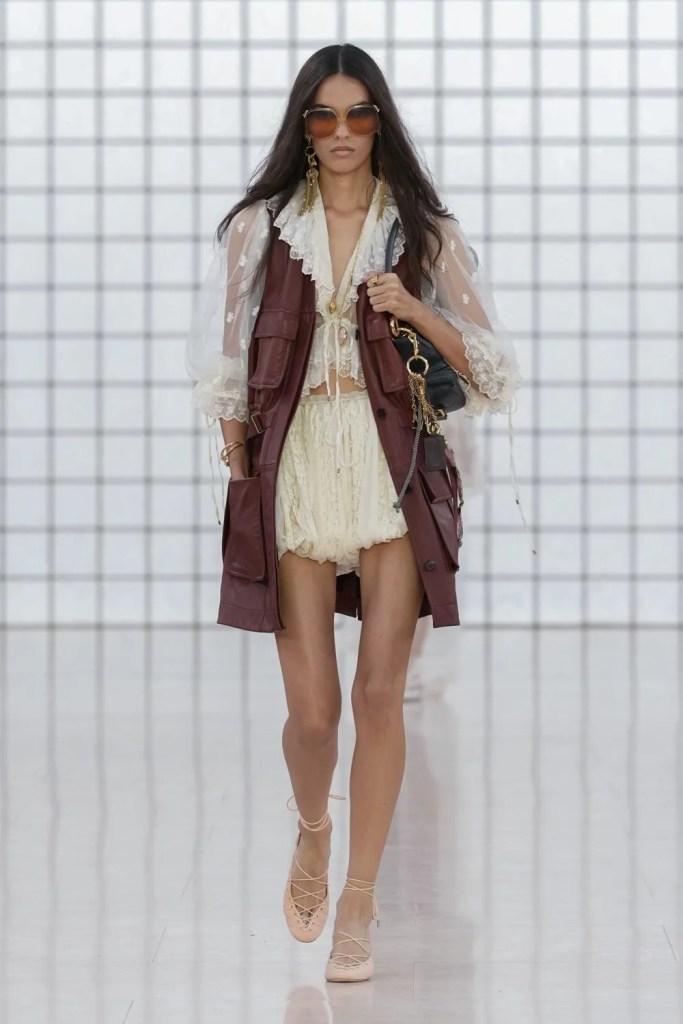
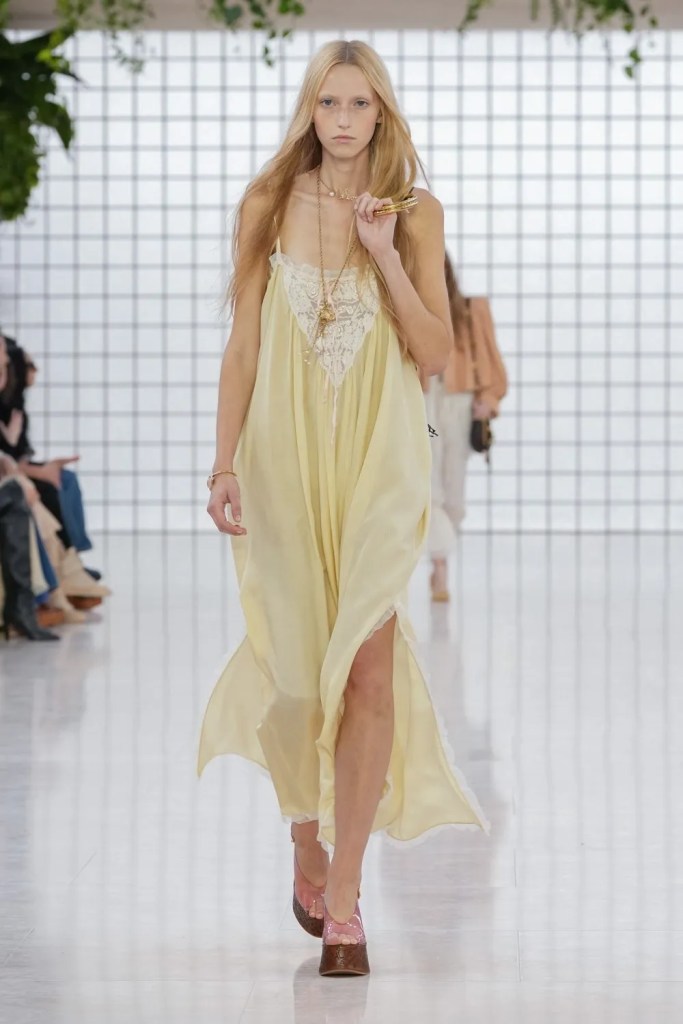
From its revolutionary debut in ready-to-wear, the maison has continued to evolve over the decades, blending its refined, elegant spirit with the themes and concerns of modernity, becoming a true voice for a sophisticated, independent, and contemporary idea of femininity.
 A fashion hypothesis