Category: Sustainability & Fashion Ethics

  • Brunello Cucinelli e sostenibilità: dall’utopica fabbrica immersa nelle campagne umbre all’aperta trasparenza sulle pratiche di produzione

    Brunello Cucinelli e sostenibilità: dall’utopica fabbrica immersa nelle campagne umbre all’aperta trasparenza sulle pratiche di produzione

    english italiano

    Il brand in analisi definisce il proprio modello di business attraverso l’espressione “crescita garbata e profittabilità sana“, aprendo la discussione su cosa significhi effettivamente crescere consapevolmente in un settore che punta tutto sulla massimizzazione del profitto.

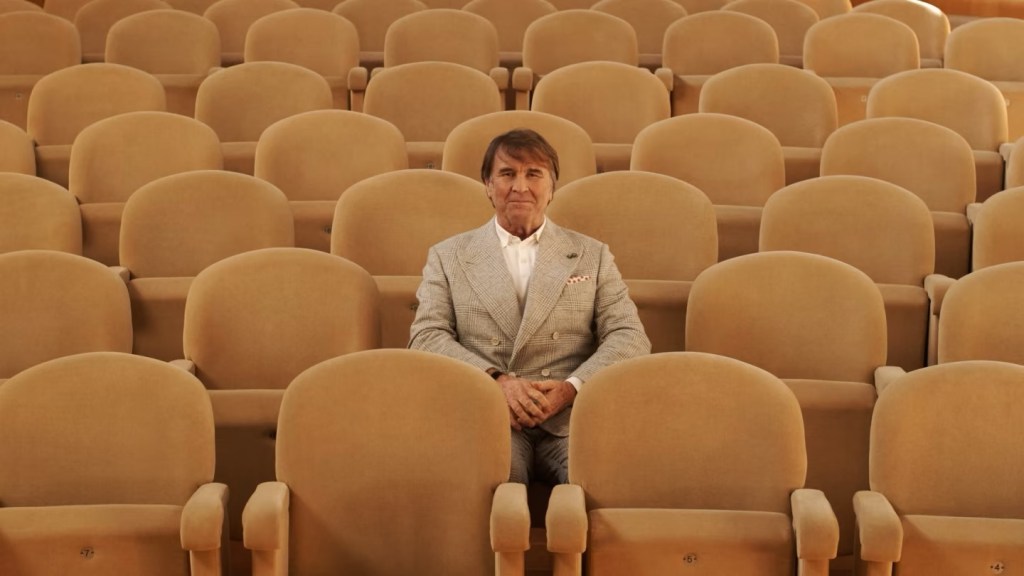
    Brunello Cucinelli è un direttore creativo italiano del lusso e amministratore delegato del suo omonimo marchio made in Italy, esempio tangibile del connubio realizzabile tra sostenibilità e profitto. La dimensione della sostenibilità, infatti, viene evidenziata insieme ai dati preliminari sulla gestione del 2021 di Cucinelli. “Nella nostra idea di sostenibilità l’importante dimensione ambientale convive con altre tre dimensioni fondamentali: quella economica, quella morale e quella culturale” viene spiegato in una nota.

    Brunello Cucinelli nel vigneto di Solomeo, © Paolo di Lucente

    Dal punto di vista ambientale, l’azienda ha avviato un piano di riduzione delle emissioni di gas “effetto serra”, applicando i principi della Science Based Targets Initiative (SBTi). Tale impegno porterà nel decennio 2019 – 2028 a ridurre le emissioni di gas effetto serra del 60% in termini di intensità economica, e in valore assoluto del 70% per le emissioni scope 1 e 2 e del 22,5% per le emissioni scope 3.

    Non solo, ma uno dei progetti più noti di Cucinelli è stato lo stabilimento di Solomeo a Corciano, Perugia. Dal recupero di un piccolo borgo umbro, nasce il luogo di lavoro ideale. Nel suo villaggio “utopico” incontriamo un Foro delle Arti e un Teatro, il Bosco della Spiritualità, oltre alla Scuola dei Mestieri per tramandare l’alto artigianato. Tutto questo per un’idea tanto semplice da enunciare quanto ardua da mettere in pratica nelle dinamiche capitalistiche del nostro tempo: contribuire alla nascita di un nuovo sistema, che abbia come cardini la dignità umana e la crescita, sia materiale che spirituale. Recentemente anche la fabbrica è stata ristrutturata, senza mai costruire nuovi spazi.”Manterremo lo stesso approccio – viene aggiunto – negli anni a venire e nello sviluppo futuro della nostra Casa di Moda, con i prossimi ampliamenti che dovranno avvenire esclusivamente nei dintorni del borgo di Solomeo“.

    Dal punto di vista economico viene sottolineato l’obiettivo di “coniugare nel migliore dei modi profitto e dono“, con attenzione sia ai dipendenti che ai fornitori. E il dono ritorna certamente all’impresa, contando gli altissimi fatturati e l’alta fedeltà dei suoi clienti. Infatti, il conto economico consolidato del marchio a giugno 2023 (espresso in migliaia di euro) testimonia un fatturato di 543.942 euro. Fate voi i conti (si tratta di un numero alquanto elevato).

    Sostenibilità morale“, afferma Cucinelli, “per noi significa lavorare il giusto orario, così come rimanere connessi per il giusto tempo, e siamo convinti che i giovani e i giovanissimi siano e saranno sempre più attenti a questi aspetti“. Quest’ultima considerazione sembra essere strettamente legata al tema evidenziato dall’imprenditore durante il G20, ovvero “il rigoroso rispetto delle leggi, cui è legato, ad esempio, il dovere di pagare le giuste tasse in vigore nel proprio Paese“. Il proprietario e stilista destina il 20% del guadagno finanziario della sua azienda alla propria fondazione no-profit in nome della “dignità umana” e retribuisce i suoi lavoratori con salari superiori del 20% rispetto allo standard industriale, consentendo all’azienda di promuovere la continuazione della tradizione artigianale italiana. Cucinelli finanzia anche la già citata Scuola dei Mestieri di Solomeo, e i giovani studenti che la frequentano sono liberi di lavorare per la sua azienda o per altre imprese. Occorre aggiungere che i suoi dipendenti lavorano dalle 9 alle 17.30 e non devono rinunciare al loro tempo libero: vige un vero e proprio divieto di inviare e ricevere e-mail dopo tale orario.

    Cucinelli racconta che è stata la sua esperienza personale ad ispirare sensibilità verso il tema.

    Dagli occhi di mio padre lucidi di lacrime. Quando vivevamo in campagna l’atmosfera, l’ambiente, la vita – tutto era bello. Eravamo semplici agricoltori, niente di speciale. Poi mio padre andò a lavorare in fabbrica. Veniva umiliato e offeso, il suo lavoro era veramente pesante. Non si lamentava della durezza del lavoro o del basso salario che ne ricavava, ma diceva sempre: Che male ho fatto a Dio per essere umiliato così?”.

    Segue perciò spiegando come non sia possibile che uno dei suoi lavoratori debba subire lo stesso tipo di trattamento, dal momento che alle persone occorre dignità, più di qualsiasi altra cosa.

    E quanto infine alla sostenibilità culturale, tra le diverse iniziative della fondazione Brunello e Federica Cucinelli, viene citata la Biblioteca Universale in via di realizzazione.

    Prospetto frontale della Biblioteca Universale, disegno su carta

    Un’aggiunta interessante è l’installazione del cosiddetto Epson PaperLab, il primo sistema al mondo per il riciclo a secco (senza l’uso di acqua) della carta in ufficio. Grazie a questo approccio, le aziende possono trasformare la carta usata in nuova in un unico processo, attraverso una soluzione circolare che riduce significativamente i consumi. Il marchio ha implementato questa procedura anche per garantire la riduzione a zero dei rifiuti.

    Si tratta di un aspetto decisamente importante, poiché, con i volumi in continuo aumento, i rifiuti di carta da ufficio costituiscono oltre il 50% dei rifiuti totali di un’azienda. Naturalmente, ciò comporta un aumento delle emissioni di anidride carbonica. Si stima che la carta costituisca più di un quarto dei rifiuti totali nelle discariche e circa il 42% del legname forestale raccolto a livello mondiale.

    Inoltre, parlando di sostenibilità non è possibile prescindere dall’inversione di un modello di business circolare a scapito del classico modello lineare nell’approccio all’economia, considerato come la strada migliore per pensare a un’industria della moda più sostenibile. Negli ultimi anni, il concetto di economia circolare è stato ampiamente adottato da imprese, governi e mondo accademico. A dispetto della logica (purtroppo ancora molto diffusa) del “take, make, waste” (prendere, fare, sprecare) dell’economia lineare, la circolarità cerca di dissociare la crescita economica dall’esaurimento delle risorse naturali e dal degrado ambientale. In questo modo, idealmente, in un’economia circolare non ci sono rifiuti.

    E così, considerate tutte le iniziative proposte in finora, un ulteriore aspetto da tenere in considerazione risulta essere la circolarità. Trattando di un marchio di lusso che ha come prodotto principale il cashmere di alta qualità, l’incoraggiamento dell’azienda a mantenere il ciclo di vita del prodotto il più a lungo possibile sembra essere un approccio accessibile.

    Perché il cashmere? Perché è un materiale che teoricamente non si getta mai. Un pullover di cashmere non viene mai buttato via. L’idea di produrre qualcosa che dura per sempre mi piaceva moltissimo“.

    Tuttavia, non esiste un’iniziativa di riutilizzo o riciclo fornita direttamente dal produttore, e l’opzione migliore per un consumatore responsabile consiste nel conservare i capi con cura e, quando non servono più, venderli su piattaforme come Vestiaire Collective, sito specializzato nell’acquisto di prodotti di moda di lusso di seconda mano la cui autenticità è garantita da esperti. Lo shopping di seconda mano, in effetti, è diventato progressivamente più rilevante negli ultimi anni e il suo impatto è tangibile, con app come Vinted che sono state scaricate 29,1 milioni di volte nel 2022. La responsabilità deriva da ogni molecola di questo complesso organismo che è la produzione, e il nostro dovere di consumatori resta lo stesso: mantenere un approccio proattivo quando si tratta di acquistare e mantenere. Contribuendo a quel “Capitalismo Umanistico” che Cucinelli tanto incoraggia.

  • Brunello Cucinelli and sustainability: from the “utopian” factory nestled in the Umbrian countryside to open transparency about production practices

    Brunello Cucinelli and sustainability: from the “utopian” factory nestled in the Umbrian countryside to open transparency about production practices

    english italiano

    The brand in analysis defines its business model through the expression “gracious growth and healthy profitability”, opening the discussion about what actually does it mean to grow consciously in a field that relies on anything to maximize profit.

    Brunello Cucinelli is an Italian luxury creative director and the chief executive of his eponymous made in Italy brand, a tangible example of the achievable connubium between sustainability and profit.

    In our idea of sustainability, the important environmental dimension coexists with three other fundamental dimensions: economic, moral and cultural” highlights the director.

    Cucinelli in the vineyard at Solomeo © Paolo di Lucente


    From the largely discussed environmental point of view, “at the end of 2021 we decided to make our commitment measurable by communicating the goal of a 60 percent reduction in greenhouse emissions in terms of economic intensity by 2028, in absolute value of 70 percent for scope 1 and 2 emissions (direct and indirect), and 22.5 percent for scope 3 emissions (indirect generated by the value chain).”

    Not only that, but one of Cucinelli’s more notorious projects has been the Solomeo factory in Corciano, Perugia. From the restoration of a small Umbrian village, the ideal workplace is born. In his “utopian” village we encounter a Forum of the Arts and a Theater, the Forest of Spirituality, as well as the School of Crafts to pass on high craftsmanship. All this for an idea, as simple to state as it is arduous to put into practice in the capitalist dynamics of our time: to contribute to the birth of a new system, which counts on human dignity and growth, both material and spiritual, as keystones. Recently, the factory has also been remodeled, without ever building new spaces. “We will maintain the same approach,” says the owner on the subject, “in the years to come and in the future development of our Fashion House, with the next expansions to take place exclusively around the village of Solomeo.”

    From an economic point of view, the goal of “combining profit and gift in the best possible way” is often stressed by the company, with attention to both employees and suppliers. And the gift returns right to the enterprise, counting the very high turnovers and high loyalty of its customers. In fact, the brand’s consolidated income statement as at June 2023 (expressed in thousands of euros) testifies a revenue of 543,942 euros. You do the maths (it’s a large number).

    Moral sustainability,”states Cucinelli, “for us means working the right hours, as well as staying connected for the right amount of time, and we are convinced that the young and very young are and will be increasingly attentive to these aspects”. This last consideration seems to be strictly connected to the theme highlighted by the entrepreneur during G20, namely “strict compliance with laws, to which is linked, for instance, the duty to pay the right taxes in place in one’s own country”. The owner and designer allocates 20 percent of his company’s financial gain to his nonprofit foundation in the name of “human dignity” and pays his workers wages 20 percent higher than the industry standard, allowing his company to promote the continuation of the Italian craft tradition. Cucinelli also funds the Solomeo School of Trades, and the young students who attend it are free to work for his company or other firms. His employees work from 9 a.m. to 5:30 p.m. and do not have to give up their free time: there is a real ban on sending and receiving emails after that time.

    He recounts that it was his personal experience that inspired his sensitivity to the topic.

    My father’s eyes glistened with tears. When we lived in the countryside the atmosphere, the environment, the life – everything was beautiful. We were simple farmers, nothing special. Then my father went to work in the factory. He was humiliated and reviled, his occupation was really backbreaking. He didn’t complain about the hardness of the job or the low wages he got from it, but he always said, “What harm have I done to God to be humiliated like this?”

    He continues by saying that there is no way one of his workers should have to experience that same kind of treatment, as people need dignity more than anything else.

    Finally, as for cultural sustainability, among the various initiatives of the Brunello and Federica Cucinelli foundation, the Universal Library under construction is a great example.

    Front elevation of the Universal Library in Solomeo, drawing on paper

    An interesting addition is the installation of the so called Epson PaperLab, the world’s first system for dry (without the use of water) recycling of paper in the office. Using this approach, companies can turn used paper into new paper in a single process through a circular solution that significantly reduces consumption. The label also implemented this procedure to assure that waste is reduced to zero.

    This is significantly relevant since, with volumes continually increasing, office paper waste accounts for more than 50 percent of a company’s total waste. Naturally, this leads to increased carbon dioxide emissions. It is estimated that paper makes up more than a quarter of total waste in landfills and about 42 percent of the world’s forest timber harvest.

    Moreover, discussing sustainability it is simply not possible to leave out the reversal of a circular business model at the expense of the classic linear model when approaching economy, considered as the best route to think of a more sustainable fashion industry. Over the recent years, the concept of circular economy has been widely adopted by businesses, governments, and academia. In spite of the (unfortunately) still highly spread “take, make, waste” rationale of the linear economy, circularity tries to decouple economic growth from the depletion of natural resources and environmental degradation. In this way, ideally, in a circular economy, there is no waste.

    And so, considered all the initiatives proposed above, an additional aspect to take into account comes to be circularity. Being a luxury brand with high quality cashmere as its main product, the encouragement of the company to maintain the life cycle of the product for as long as possible seems to be an accessible approach.

    Why cashmere? Because it is a material that theoretically never gets thrown away. A cashmere pullover is never thrown away. The idea of producing something that lasts forever really appealed to me”.

    Still, there is is not a reusing or recycling initiative provided directly by the producer, and the best option for a responsible consumer results in keeping the items with care and, when no longer needed, selling them on platforms such as Vestiaire Collective, a specialized site for buying luxury second-hand fashion products whose authenticity is guaranteed by experts. Second-hand shopping has, in fact, become progressively more relevant in the last few years and its impact is detectable, with apps such as Vinted being downloaded 29.1 million times in 2022.

    Responsibility comes from each molecule of this complex organism that is production, and our duty as consumers stays the same: keeping a proactive approach when it comes to the way we buy and maintain. Contributing to that “Humanistic Capitalism” that Cucinelli so encourages.